
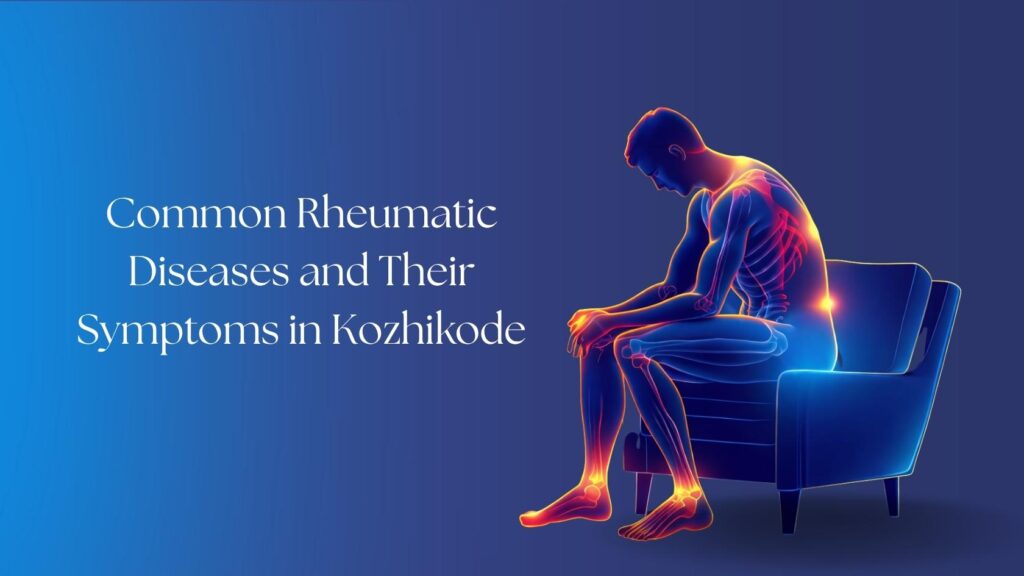
Types of Common Rheumatic Diseases and Their Symptoms in Kozhikode
Understanding Common Rheumatic Diseases and Their Symptoms in Kozhikode is essential for early diagnosis and effective treatment. Many people ignore joint pain, stiffness, or swelling, assuming it’s temporary. However, these can be early warning signs of serious rheumatic conditions. Even in nearby regions like Thrissur, awareness about these conditions is growing as more patients seek early medical care.
Rheumatic diseases are not limited to older adults—they can affect people of all ages. Early identification of symptoms helps prevent long-term complications and improves quality of life.
What Are Rheumatic Diseases?
Rheumatic diseases are a group of conditions that affect joints, muscles, bones, and the immune system. Many of these are autoimmune disorders, where the body mistakenly attacks its own tissues.
These conditions can lead to:
- Chronic pain
- Reduced mobility
- Inflammation
- Joint damage
Understanding Common Rheumatic Diseases and Their Symptoms in Kozhikode helps patients take timely action and seek appropriate care.
Types of Common Rheumatic Diseases and Their Symptoms in Kozhikode
1. Rheumatoid Arthritis
A chronic autoimmune condition that primarily affects joints.
Symptoms include:
- Joint pain and swelling
- Morning stiffness lasting more than 30 minutes
- Fatigue
- Symmetrical joint involvement
2. Osteoarthritis
A degenerative joint disease caused by wear and tear.
Symptoms include:
- Joint pain during movement
- Stiffness after rest
- Reduced flexibility
- Bone spurs
3. Lupus (SLE)
A systemic autoimmune disease affecting multiple organs.
Symptoms include:
- Joint pain
- Skin rashes (butterfly rash)
- Fatigue
- Fever
4. Ankylosing Spondylitis
A condition affecting the spine and lower back.
Symptoms include:
- Chronic back pain
- Stiffness, especially in the morning
- Reduced spinal mobility
5. Psoriatic Arthritis
Associated with psoriasis, affecting joints and skin.
Symptoms include:
- Swollen fingers and toes
- Joint pain
- Skin patches
- Nail changes
6. Gout
Caused by uric acid buildup in joints.
Symptoms include:
- Sudden severe joint pain
- Redness and swelling
- Commonly affects the big toe
7. Scleroderma
A rare autoimmune condition causing skin thickening.
Symptoms include:
- Tight skin
- Joint stiffness
- Digestive issues
8. Vasculitis
Inflammation of blood vessels.
Symptoms include:
- Fever
- Fatigue
- Organ-related symptoms
Causes of Rheumatic Diseases
Understanding the causes is important when learning about Common Rheumatic Diseases and Their Symptoms in Kozhikode.
Common Causes Include:
- Autoimmune responses
- Genetic factors
- Environmental triggers
- Infections
- Hormonal changes
In many cases, a combination of factors contributes to the development of these conditions.
Early Warning Signs You Should Not Ignore
Recognizing early symptoms can make a big difference.
Key Warning Signs:
- Persistent joint pain
- Swelling in joints
- Morning stiffness
- Fatigue
- Reduced mobility
If these symptoms last for weeks, it’s important to seek medical advice.
Benefits of Early Diagnosis
Early diagnosis plays a crucial role in managing Common Rheumatic Diseases and Their Symptoms in Kozhikode.
Why Early Detection Matters:
- Prevents joint damage
- Improves treatment outcomes
- Reduces pain and inflammation
- Enhances quality of life
Treatment Options Available
Treatment depends on the specific condition and severity.
Common Treatment Methods:
Medications
- Anti-inflammatory drugs
- Immunosuppressants
- Biologic therapies
Physical Therapy
- Improves mobility
- Strengthens muscles
Lifestyle Modifications
- Healthy diet
- Regular exercise
- Stress management
Advanced Therapies
- Targeted immunotherapy
- Joint injections
Lifestyle Tips for Managing Symptoms
Managing daily habits can help control symptoms effectively.
Helpful Tips:
- Maintain a healthy weight
- Stay physically active
- Follow a balanced diet
- Avoid smoking
- Manage stress
These lifestyle changes support long-term disease management.
When to See a Specialist
You should consult a specialist if:
- Pain persists for more than a few weeks
- Swelling does not reduce
- Daily activities become difficult
- Symptoms worsen over time
Early consultation can prevent complications.
Prevention and Long-Term Care
While not all rheumatic diseases can be prevented, proper care can reduce risks.
Prevention Tips:
- Regular health check-ups
- Early symptom monitoring
- Healthy lifestyle habits
Long-term care focuses on managing symptoms and preventing flare-ups.
Conclusion
Understanding Common Rheumatic Diseases and Their Symptoms in Kozhikode helps individuals take control of their health and seek timely care. These conditions, if left untreated, can significantly affect daily life, but early diagnosis and proper management can make a huge difference.
By recognizing symptoms early, following appropriate treatments, and maintaining a healthy lifestyle, patients can lead active and comfortable lives. Awareness is growing not just in Kozhikode but also in places like Thrissur, encouraging more people to prioritize joint and autoimmune health.
Frequently Asked Questions
1. What are the early signs of rheumatic diseases?
Early signs include joint stiffness, swelling, fatigue, and mild pain that gradually worsens over time.
2. Can rheumatic diseases affect multiple joints at once?
Yes, many conditions like rheumatoid arthritis affect multiple joints simultaneously, often in a symmetrical pattern.
3. Are rheumatic diseases hereditary?
Some rheumatic conditions have a genetic component, meaning they can run in families.
4. How long do rheumatic diseases last?
Most rheumatic diseases are chronic and require long-term management rather than a one-time treatment.
5. Can diet influence rheumatic disease symptoms?
Yes, an anti-inflammatory diet can help reduce symptoms and improve overall joint health.
6. Is joint pain always a sign of a rheumatic disease?
Not always, but persistent or recurring joint pain should be evaluated by a specialist.
7. What triggers flare-ups in rheumatic conditions?
Stress, infections, weather changes, and certain foods can trigger symptom flare-ups.
8. Can rheumatic diseases affect organs other than joints?
Yes, some conditions like lupus and vasculitis can affect organs such as the kidneys, lungs, and heart.
9. Are there tests to confirm rheumatic diseases?
Yes, blood tests, imaging scans, and clinical evaluations are commonly used for diagnosis.
10. Can exercise worsen rheumatic symptoms?
No, when done correctly, exercise helps improve flexibility and reduce stiffness, but it should be guided by a professional.
BAARC Rheumatology Specialists

Dr Athul Paul
MD, Post Doctoral Fellowship in Rheumatology (CMC Vellore)
Consultant Rheumatologist
BAARC Rheumatology Clinic, Kozhikode

Dr Binoy J Paul
MD, PhD, DNB, FRCP (Edin.)
Senior Consultant Rheumatologist
BAARC Rheumatology Centre, Kozhikode