
7 Proven FIBROMYALGIA TREATMENT IN KOZHIKODE Methods Today
Living with widespread body pain, constant tiredness, and difficulty sleeping can make everyday activities feel challenging. If you are looking for FIBROMYALGIA TREATMENT IN KOZHIKODE, understanding the condition is the first step toward better symptom management. Although fibromyalgia is a long-term health condition, the right combination of medical care, physical therapy, lifestyle changes, and stress management can significantly improve quality of life.
Fibromyalgia affects muscles and soft tissues throughout the body, causing pain, fatigue, and increased sensitivity to pressure. Many people also experience headaches, memory difficulties, sleep disturbances, and emotional stress. Since symptoms vary from person to person, treatment plans are usually personalized to meet individual needs.
This guide explains everything you should know about fibromyalgia, including its causes, symptoms, diagnosis, available treatments, lifestyle modifications, and ways to manage symptoms effectively.
What Is Fibromyalgia
Fibromyalgia is a chronic condition that causes widespread musculoskeletal pain along with several other symptoms affecting physical and mental well-being.
Experts believe that fibromyalgia changes how the brain and nervous system process pain signals. As a result, people become more sensitive to pain than those without the condition.
Unlike arthritis, fibromyalgia does not damage joints or muscles permanently. However, it can significantly affect daily life if symptoms are left untreated.
Common characteristics include:
- Persistent body pain
- Muscle stiffness
- Fatigue
- Sleep disturbances
- Memory problems
- Difficulty concentrating
- Mood changes
Early diagnosis allows better symptom control and improved quality of life.
Why Does Fibromyalgia Occur
The exact cause remains unknown, but researchers believe multiple factors contribute to the condition.
Genetics
Fibromyalgia often runs in families, suggesting a genetic component.
Nervous System Changes
The brain may amplify pain signals, making even mild discomfort feel severe.
Physical Trauma
Accidents, injuries, or surgery can sometimes trigger symptoms.
Emotional Stress
Long-term emotional stress may contribute to symptom development.
Infections
Certain viral or bacterial infections have been associated with fibromyalgia onset.
Hormonal Changes
Hormonal imbalances may influence pain sensitivity.
Usually, more than one factor contributes to fibromyalgia rather than a single cause.
Who Is More Likely to Develop Fibromyalgia
Several factors increase the likelihood of developing fibromyalgia.
Women
Women are diagnosed more frequently than men.
Middle Age
Most people receive a diagnosis between 30 and 60 years of age.
Family History
Having close relatives with fibromyalgia increases risk.
Autoimmune Disorders
People with rheumatoid arthritis or lupus have a higher chance of developing fibromyalgia.
Chronic Stress
Long-term stress may contribute to symptom progression.
Sleep Disorders
Poor-quality sleep often worsens pain sensitivity.
Common Symptoms of Fibromyalgia
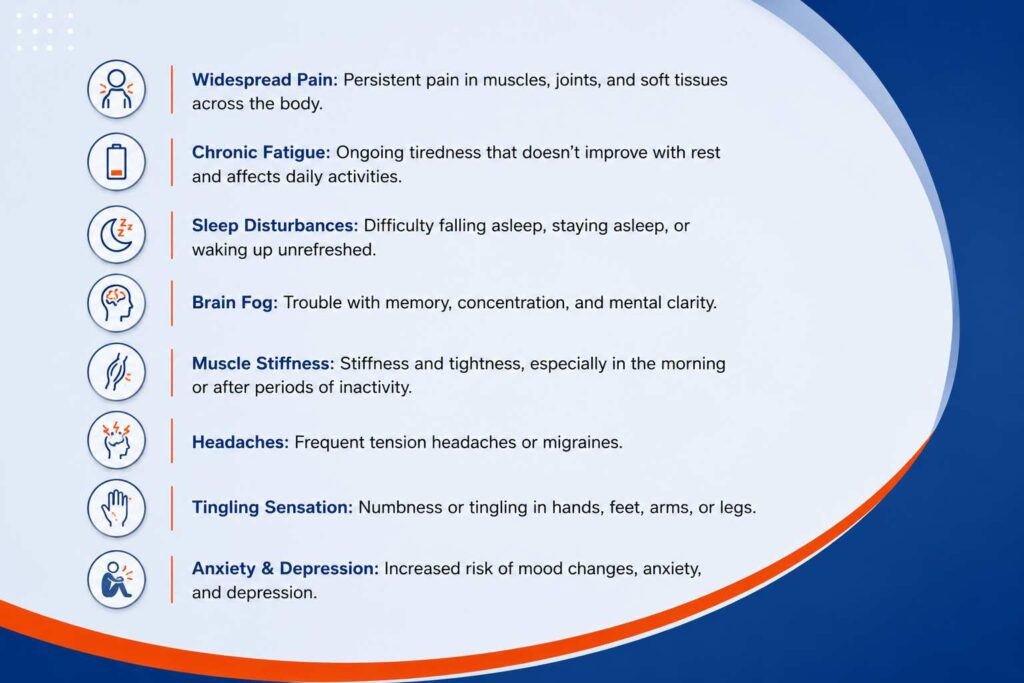
Symptoms may develop gradually or appear after physical or emotional stress.
Widespread Pain
Pain is usually felt on both sides of the body and above and below the waist.
The pain may be:
- Aching
- Burning
- Throbbing
- Stabbing
- Deep muscle pain
Extreme Fatigue
Many individuals wake up feeling tired despite sleeping for several hours.
Fatigue often affects:
- Work performance
- Daily household activities
- Exercise tolerance
- Concentration
Sleep Problems
Common sleep issues include:
- Difficulty falling asleep
- Frequent waking
- Restless sleep
- Feeling unrefreshed after sleeping
Brain Fog
Many patients describe cognitive difficulties such as:
- Forgetfulness
- Difficulty concentrating
- Reduced attention span
- Slow thinking
Muscle Stiffness
Morning stiffness is common and may improve gradually throughout the day.
Headaches
Frequent headaches and migraines often accompany fibromyalgia.
Tingling Sensation
Some people experience:
- Numbness
- Tingling
- Burning sensations
- Pins and needles
Mood Changes
Living with chronic pain can contribute to:
- Anxiety
- Depression
- Irritability
- Emotional exhaustion
How Fibromyalgia Affects Daily Life
Without proper management, fibromyalgia can interfere with nearly every aspect of life.
Challenges may include:
- Difficulty working
- Reduced physical activity
- Poor sleep quality
- Social withdrawal
- Emotional distress
- Reduced independence
Early treatment can greatly improve these challenges.
Types of Fibromyalgia
Although fibromyalgia itself is one condition, symptoms may present differently.
Primary Fibromyalgia
Occurs without another underlying disease.
Secondary Fibromyalgia
Develops alongside conditions like:
- Rheumatoid arthritis
- Lupus
- Ankylosing spondylitis
Stress-Related Fibromyalgia
Symptoms become worse during periods of emotional stress.
Trauma-Triggered Fibromyalgia
Symptoms begin after surgery, injury, or serious illness.
How Fibromyalgia Is Diagnosed
There is no single laboratory test that confirms fibromyalgia.
Diagnosis usually involves:
Medical History
Doctors review symptom duration and severity.
Physical Examination
Tender areas and pain distribution are assessed.
Blood Tests
Blood tests help rule out other medical conditions.
Common tests include:
- Complete blood count
- Thyroid function
- Vitamin D
- Inflammatory markers
Symptom Assessment
Healthcare providers evaluate:
- Pain intensity
- Sleep quality
- Fatigue
- Mental health
- Daily functioning
FIBROMYALGIA TREATMENT IN KOZHIKODE: Available Treatment Options
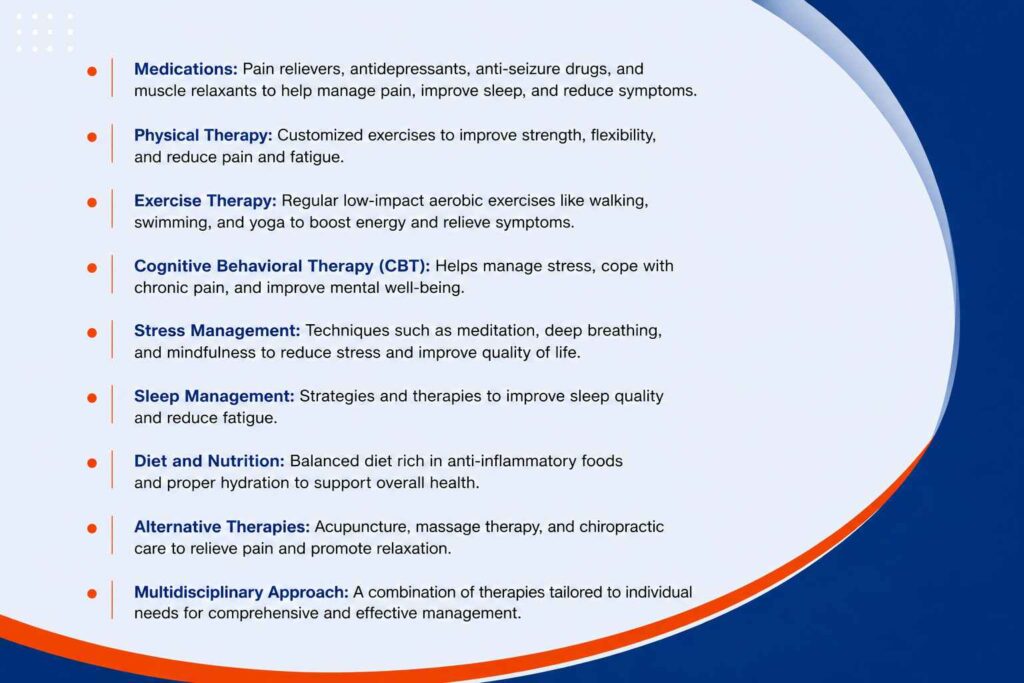
Successful FIBROMYALGIA TREATMENT IN KOZHIKODE usually combines several treatment methods rather than relying on a single approach.
Treatment focuses on:
- Reducing pain
- Improving sleep
- Increasing mobility
- Managing fatigue
- Improving emotional well-being
- Restoring daily function
Medications Used for Fibromyalgia
Different medications may help relieve symptoms.
These include:
Pain Relievers
Pain medications may reduce discomfort and improve daily functioning.
Antidepressants
Certain antidepressants help manage both pain and sleep problems.
Anti-Seizure Medications
Some medicines originally developed for epilepsy can reduce nerve-related pain.
Medication plans are individualized depending on symptoms.
Physical Therapy
Physical therapy plays a major role in managing fibromyalgia.
Benefits include:
- Improved flexibility
- Better posture
- Stronger muscles
- Less stiffness
- Increased endurance
Exercises are introduced gradually to avoid symptom flare-ups.
Exercise Therapy
Regular exercise is one of the most effective long-term management strategies.
Recommended activities include:
- Walking
- Swimming
- Cycling
- Stretching
- Water exercises
- Yoga
Low-impact exercises generally produce the best results.
Occupational Therapy
Occupational therapists help patients perform daily activities with less pain.
This may include:
- Workplace modifications
- Better posture
- Energy conservation
- Joint protection techniques
Advanced Approaches for FIBROMYALGIA TREATMENT IN KOZHIKODE
Managing fibromyalgia often requires a combination of therapies that address pain, fatigue, sleep problems, and emotional well-being. A personalized treatment plan usually provides better long-term results than relying on a single method.
Cognitive Behavioral Therapy (CBT)
Chronic pain can affect thoughts, emotions, and daily habits. Cognitive Behavioral Therapy (CBT) helps people develop healthier coping strategies and reduce the emotional impact of long-term pain.
Benefits of CBT include:
- Better pain management
- Reduced stress and anxiety
- Improved sleep quality
- Increased confidence in managing symptoms
- Better overall quality of life
Pain Management Programs
Comprehensive pain management programs combine different therapies to improve daily function.
These programs may include:
- Medical evaluation
- Medication management
- Physical therapy
- Psychological support
- Lifestyle counseling
- Exercise planning
A multidisciplinary approach often produces better long-term outcomes
Stress Management Techniques
Stress is one of the most common triggers for fibromyalgia flare-ups. Learning to manage stress can reduce symptom severity.
Helpful techniques include:
- Deep breathing exercises
- Meditation
- Progressive muscle relaxation
- Mindfulness practices
- Guided relaxation sessions
- Gentle stretching
Practicing these techniques regularly can improve both physical and emotional health.
Sleep Improvement Strategies
Poor sleep is one of the defining features of fibromyalgia. Improving sleep quality can significantly reduce pain and fatigue.
Healthy sleep habits include:
- Going to bed at the same time every night
- Waking up at a consistent time
- Limiting screen time before bedtime
- Avoiding caffeine late in the day
- Creating a quiet, comfortable sleeping environment
- Keeping the bedroom cool and dark
Good sleep hygiene supports the body’s natural recovery process.
Lifestyle Changes That Support Recovery
Lifestyle modifications are an important part of successful FIBROMYALGIA TREATMENT IN KOZHIKODE. Small, consistent changes often lead to meaningful improvements over time.
Stay Physically Active
Although pain may discourage movement, regular physical activity helps improve flexibility and reduce stiffness.
Recommended activities include:
- Walking
- Swimming
- Water aerobics
- Cycling
- Gentle stretching
- Tai Chi
- Yoga
Start slowly and increase activity levels gradually to avoid symptom flare-ups.
Maintain a Healthy Weight
Maintaining a healthy weight reduces stress on muscles and joints, making movement easier.
A balanced diet combined with regular exercise supports overall health and energy levels.
Stay Hydrated
Drinking enough water helps support normal body functions and may reduce fatigue associated with dehydration.
Pace Daily Activities
Many people experience symptom flare-ups after doing too much in one day.
Instead:
- Break large tasks into smaller steps.
- Take regular breaks.
- Avoid overexertion.
- Balance activity with adequate rest.
Energy conservation is an essential self-management strategy.
Best Foods for Fibromyalgia
Although there is no specific fibromyalgia diet, nutritious foods support overall health and may reduce inflammation.
Include:
- Fresh fruits
- Green leafy vegetables
- Whole grains
- Lean proteins
- Fish rich in omega-3 fatty acids
- Nuts and seeds
- Low-fat dairy products
- Legumes
These foods provide essential vitamins, minerals, and antioxidants.
Foods That May Worsen Symptoms
Some individuals notice increased symptoms after consuming certain foods.
Potential triggers include:
- Highly processed foods
- Excess sugar
- Fried foods
- Excess caffeine
- Alcohol
- Artificial sweeteners
Keeping a food diary may help identify personal triggers.
Vitamins and Nutrients That Support Overall Health
Certain nutrients are important for maintaining muscle and nerve health.
These include:
- Vitamin D
- Magnesium
- Calcium
- Vitamin B12
- Iron (when deficient)
Always consult a healthcare professional before starting supplements.
Can Fibromyalgia Be Cured
Currently, there is no permanent cure for fibromyalgia.
However, many people successfully manage their symptoms through:
- Appropriate medications
- Regular exercise
- Physical therapy
- Healthy lifestyle habits
- Stress management
- Quality sleep
- Ongoing medical follow-up
With consistent care, individuals can lead active and fulfilling lives.
Benefits of Early Diagnosis and Treatment
Seeking timely care offers several advantages.
Benefits include:
- Better pain control
- Improved sleep quality
- Increased energy
- Enhanced mobility
- Better mental well-being
- Reduced symptom flare-ups
- Improved work performance
- Greater independence
- Better quality of life
Early intervention can prevent symptoms from significantly affecting daily activities.
When Should You Seek Medical Attention
Consult a healthcare professional if you experience:
- Widespread pain lasting more than three months
- Persistent fatigue
- Difficulty sleeping
- Memory or concentration problems
- Symptoms interfering with work or daily life
- Pain that does not improve with self-care
Early evaluation helps rule out other conditions and ensures appropriate management.
Tips for Living Well with Fibromyalgia
Long-term symptom management often depends on consistent daily habits.
Helpful tips include:
- Follow your treatment plan.
- Stay physically active.
- Exercise regularly.
- Eat balanced meals.
- Maintain a healthy weight.
- Practice relaxation techniques.
- Prioritize quality sleep.
- Stay connected with family and friends.
- Track symptom patterns.
- Attend regular medical follow-ups.
Small improvements over time can make a significant difference in daily comfort and function.
Common Conditions Associated with Fibromyalgia
Some people with fibromyalgia may also experience other health conditions, such as:
- Irritable Bowel Syndrome (IBS)
- Migraine headaches
- Temporomandibular Joint (TMJ) disorders
- Anxiety disorders
- Depression
- Chronic fatigue syndrome
- Restless legs syndrome
Managing these conditions alongside fibromyalgia often improves overall well-being.
Myths and Facts About Fibromyalgia
Myth: Fibromyalgia is just muscle pain.
Fact: It is a complex chronic condition that affects how the nervous system processes pain.
Myth: Exercise makes fibromyalgia worse.
Fact: Gentle, regular exercise is one of the most effective ways to manage symptoms.
Myth: Fibromyalgia only affects older adults.
Fact: It can affect adults of various ages, although it is more commonly diagnosed in middle adulthood.
Myth: There is no treatment available.
Fact: While there is no cure, many treatments can successfully reduce symptoms and improve quality of life.
Myth: Fibromyalgia causes permanent joint damage.
Fact: Unlike some other rheumatic conditions, fibromyalgia does not permanently damage joints or muscles.
Long-Term Outlook
Fibromyalgia is a lifelong condition, but its symptoms often fluctuate over time. Some days may be more challenging than others, while periods of improvement are also common.
The key to long-term success is a comprehensive management plan that combines medical care, physical activity, healthy lifestyle choices, stress reduction, and regular follow-up. Many individuals find that consistent self-care helps them maintain independence, remain active, and enjoy a better quality of life.
Conclusion
Living with fibromyalgia can be challenging, but the right approach can make symptoms much more manageable. Choosing FIBROMYALGIA TREATMENT IN KOZHIKODE involves a personalized plan that combines medical care, physical therapy, regular exercise, healthy eating, stress management, and quality sleep. Since every individual experiences fibromyalgia differently, treatment should be tailored to specific symptoms and lifestyle needs.
Early diagnosis, consistent follow-up, and a commitment to self-care can help reduce pain, improve mobility, increase energy levels, and enhance overall quality of life. If you experience persistent widespread pain, fatigue, or sleep disturbances, seeking timely medical evaluation can help you begin an effective treatment plan. With the right support and evidence-based care available in Kozhikode, many people successfully manage fibromyalgia and continue to lead active, fulfilling lives. For reliable, evidence-based information about fibromyalgia, its symptoms, causes, and treatment options, visit the National Institute of Arthritis and Musculoskeletal and Skin Diseases (NIAMS) .
Frequently Asked Questions
1. What is fibromyalgia?
2. What are the common symptoms of fibromyalgia?
3. Who is at risk of developing fibromyalgia?
4. How is fibromyalgia diagnosed?
5. Is fibromyalgia curable?
6. What treatments are available for fibromyalgia?
7. Can exercise help people with fibromyalgia?
8. Which foods are beneficial for people with fibromyalgia?
9. Does stress make fibromyalgia worse?
10. When should I seek medical care for fibromyalgia symptoms?
11. Can fibromyalgia affect mental health?
12. How can I manage fibromyalgia at home?
BAARC Rheumatology Specialists

Dr Athul Paul
MD, Post Doctoral Fellowship in Rheumatology (CMC Vellore)
Consultant Rheumatologist
BAARC Rheumatology Clinic, Kozhikode

Dr Binoy J Paul
MD, PhD, DNB, FRCP (Edin.)
Senior Consultant Rheumatologist
BAARC Rheumatology Centre, Kozhikode