
7 Powerful EARLY SYMPTOMS OF FIBROMYALGIA You Need to Know
Fibromyalgia is a long-term health condition that affects millions of people worldwide. It causes widespread pain, tiredness, sleep disturbances, and difficulty concentrating. Recognizing the EARLY SYMPTOMS OF FIBROMYALGIA can help individuals seek medical advice sooner and begin effective symptom management. Although the condition does not damage joints or muscles permanently, it can significantly affect daily life if left untreated. People in Kozhikode and around the world should be aware of these early warning signs to improve their quality of life through timely diagnosis and proper care.
Many people mistake the early signs of fibromyalgia for stress, overwork, or aging. Since the symptoms often develop gradually, diagnosis may take time. Learning about the condition and understanding its early indicators can make a meaningful difference in managing symptoms before they become more severe.
What Is Fibromyalgia
Fibromyalgia is a chronic disorder that mainly affects how the brain and nervous system process pain signals. Instead of responding normally to pain, the body becomes more sensitive, making even mild discomfort feel more intense.
People living with fibromyalgia may experience:
- Widespread muscle pain
- Constant fatigue
- Poor sleep quality
- Memory and concentration problems
- Morning stiffness
- Mood changes
Although fibromyalgia is not considered life-threatening, it can interfere with work, relationships, and everyday activities.
Why Recognizing EARLY SYMPTOMS OF FIBROMYALGIA Matters
The EARLY SYMPTOMS OF FIBROMYALGIA often appear gradually. Many people ignore them because they resemble common health issues.
Early recognition can help:
- Improve symptom management
- Reduce unnecessary medical tests
- Begin lifestyle changes sooner
- Improve sleep quality
- Reduce pain flare-ups
- Maintain daily productivity
- Enhance overall quality of life
Seeking medical evaluation early can also help rule out other conditions with similar symptoms.
Common Causes of Fibromyalgia
Although the exact cause remains unknown, researchers believe several factors may contribute to the development of fibromyalgia.
Genetics
People with a family history of fibromyalgia may have a higher chance of developing the condition.
Physical Trauma
Injuries from accidents, surgeries, or repetitive strain may trigger symptoms in some individuals.
Emotional Stress
Long-term emotional stress can affect how the nervous system processes pain.
Infections
Certain viral or bacterial infections may trigger fibromyalgia symptoms in susceptible individuals.
Nervous System Changes
Abnormal pain processing within the central nervous system is considered one of the primary mechanisms behind fibromyalgia.
Hormonal Imbalances
Changes in hormone levels may influence pain sensitivity and fatigue.
Who Is More Likely to Develop Fibromyalgia
Some people have a higher risk than others.
Risk factors include:
- Women
- Adults between 20 and 60 years
- Family history
- Rheumatoid arthritis
- Lupus
- Chronic stress
- Poor sleep habits
- Repetitive physical strain
1. Persistent Widespread Pain
One of the earliest and most recognizable EARLY SYMPTOMS OF FIBROMYALGIA is widespread body pain.
Unlike pain caused by injury, fibromyalgia pain often:
- Affects both sides of the body
- Moves from one area to another
- Feels dull, aching, burning, or throbbing
- Lasts for several months
The pain commonly affects:
- Neck
- Shoulders
- Upper back
- Lower back
- Arms
- Legs
- Hips
Some people describe the pain as feeling similar to muscle soreness after intense exercise, even without physical activity.
2. Constant Fatigue
Fatigue is another common early symptom.
People often wake up feeling exhausted despite sleeping for several hours.
Signs include:
- Low energy throughout the day
- Feeling tired after simple activities
- Difficulty completing daily tasks
- Needing frequent breaks
- Lack of physical stamina
This fatigue is often more severe than ordinary tiredness.
3. Poor Sleep Quality
Sleep problems frequently appear before other symptoms become severe.
Common sleep issues include:
- Difficulty falling asleep
- Frequent waking during the night
- Restless sleep
- Feeling unrefreshed in the morning
Many people experience non-restorative sleep, meaning the body does not fully recover overnight.
Poor sleep often increases pain sensitivity the following day.
4. Morning Stiffness
Morning stiffness is one of the common EARLY SYMPTOMS OF FIBROMYALGIA.
People may notice:
- Tight muscles
- Reduced flexibility
- Difficulty getting out of bed
- Joint discomfort
- Slower movement after waking
The stiffness usually improves gradually after moving around.
5. Difficulty Concentrating (Fibro Fog)
Many individuals experience cognitive problems commonly known as “fibro fog.”
Symptoms include:
- Forgetfulness
- Difficulty focusing
- Trouble finding words
- Poor short-term memory
- Mental fatigue
- Reduced concentration
Fibro fog may affect work performance and everyday decision-making.
6. Frequent Headaches
Recurring headaches or migraines may develop during the early stages.
These headaches may be related to:
- Muscle tension
- Poor sleep
- Stress
- Neck stiffness
Some individuals experience headaches several times each week.
7. Increased Sensitivity to Pain
People with fibromyalgia often become unusually sensitive to pain.
Even minor pressure may cause discomfort.
This heightened sensitivity may involve:
- Muscle tenderness
- Skin sensitivity
- Pain from light touch
- Increased reaction to temperature changes
Researchers believe this occurs because the brain processes pain signals differently.
Other EARLY SYMPTOMS OF FIBROMYALGIA
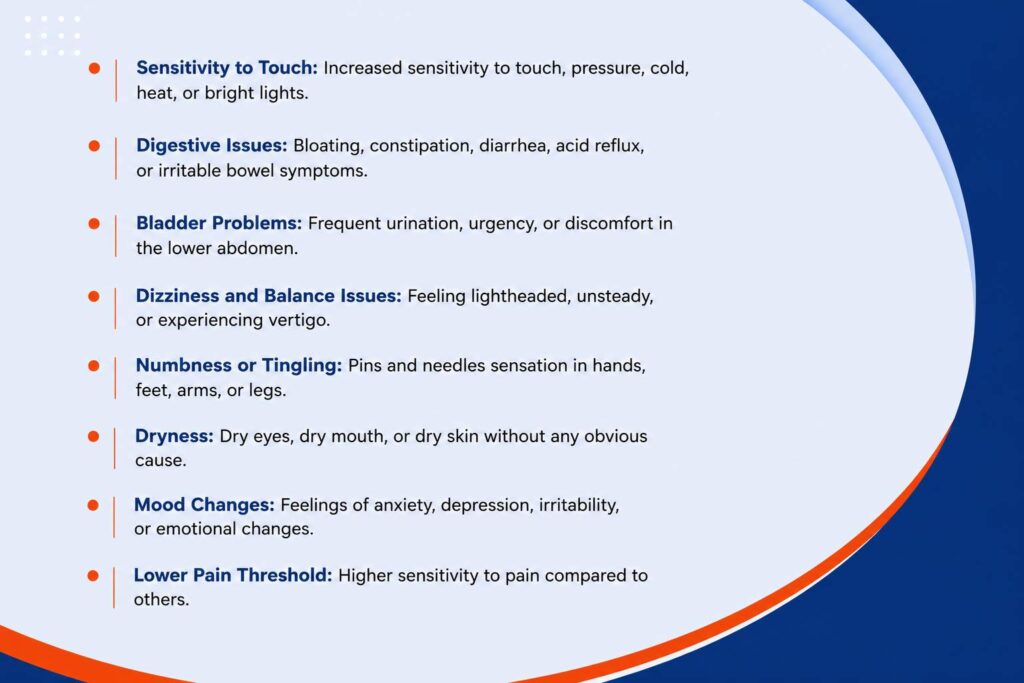
Besides the major warning signs, several additional symptoms may develop.
These include:
Tingling Sensations
Some people notice numbness or tingling in the hands, feet, arms, or legs.
Irritable Bowel Symptoms
Digestive complaints are common, including:
- Constipation
- Diarrhea
- Abdominal pain
- Bloating
Anxiety and Depression
Living with chronic discomfort may affect emotional well-being.
Many individuals experience:
- Anxiety
- Low mood
- Irritability
- Increased stress
Sensitivity to Noise and Light
Some people become more sensitive to:
- Bright lights
- Loud sounds
- Strong smells
- Temperature changes
Muscle Cramps
Muscle spasms or cramps may occur without heavy exercise.
Diagnosing EARLY SYMPTOMS OF FIBROMYALGIA
Diagnosing fibromyalgia can be challenging because there is no single laboratory test or imaging scan that confirms the condition. Healthcare professionals diagnose fibromyalgia by reviewing symptoms, medical history, conducting a physical examination, and ruling out other conditions that may produce similar symptoms.
The EARLY SYMPTOMS OF FIBROMYALGIA often overlap with conditions such as arthritis, thyroid disorders, chronic fatigue syndrome, and autoimmune diseases. Because of this, diagnosis may take time.
Medical History
A healthcare provider may ask questions about:
- When the pain started
- Areas affected by pain
- Sleep quality
- Fatigue levels
- Family medical history
- Previous illnesses or injuries
- Stress levels
- Daily activities
Providing accurate information helps in making a proper diagnosis.
Physical Examination
The examination may include checking for:
- Widespread pain
- Muscle tenderness
- Joint movement
- Muscle strength
- Signs of inflammation
- Neurological function
Unlike arthritis, fibromyalgia generally does not cause joint swelling or permanent joint damage.
Blood Tests
Although blood tests cannot diagnose fibromyalgia, they help exclude other conditions.
Common tests include:
- Complete Blood Count (CBC)
- Thyroid Function Test
- Vitamin D Levels
- Vitamin B12 Levels
- Erythrocyte Sedimentation Rate (ESR)
- C-Reactive Protein (CRP)
- Rheumatoid Factor (RF)
- Antinuclear Antibody (ANA)
These tests help rule out autoimmune diseases and other disorders.
Conditions That Can Mimic Fibromyalgia
Several health conditions have symptoms similar to fibromyalgia.
These include:
- Rheumatoid arthritis
- Osteoarthritis
- Lupus
- Hypothyroidism
- Chronic fatigue syndrome
- Multiple sclerosis
- Lyme disease
- Vitamin deficiencies
- Polymyalgia rheumatica
Proper diagnosis is important because treatment varies depending on the underlying condition.
Treatment Options for Fibromyalgia
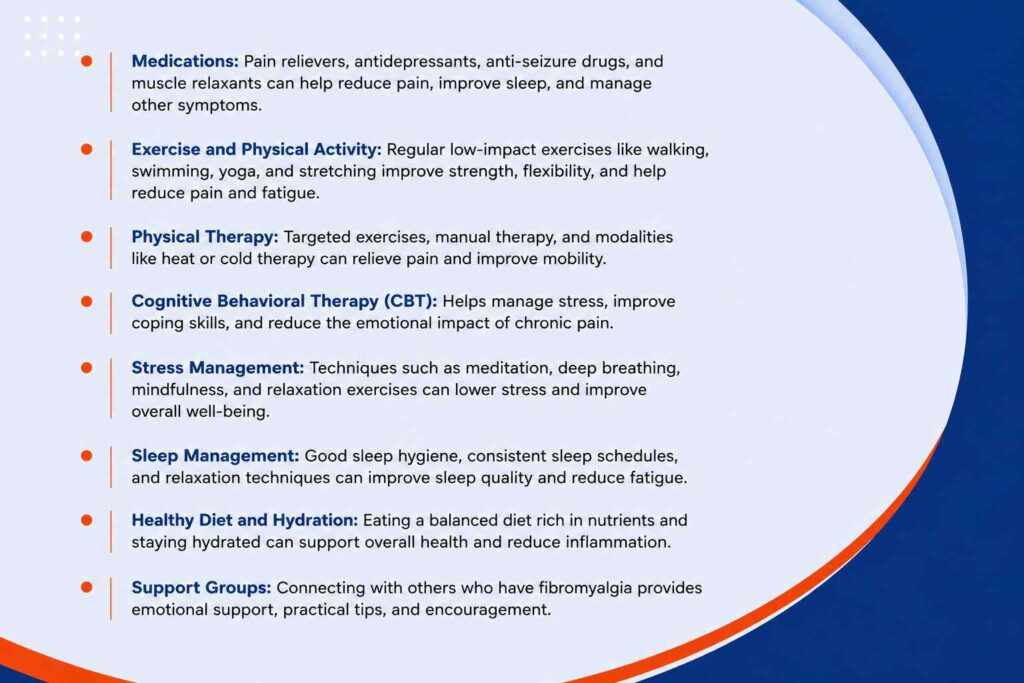
There is currently no cure for fibromyalgia, but treatment focuses on reducing symptoms and improving daily function. Most people benefit from a combination of treatments rather than relying on a single approach.
Medications
Healthcare providers may recommend medications to manage symptoms.
These may include:
- Pain relievers
- Certain antidepressants
- Anti-seizure medications used for nerve pain
- Muscle relaxants (in selected cases)
Medication plans should always be guided by a qualified healthcare professional.
Physical Therapy
Physical therapy helps improve flexibility, muscle strength, and endurance while reducing pain.
A physical therapist may recommend:
- Stretching exercises
- Strength training
- Balance exercises
- Posture correction
- Low-impact aerobic exercises
Gradual progress is essential to avoid worsening symptoms.
Exercise
Regular physical activity is one of the most effective long-term management strategies.
Recommended exercises include:
- Walking
- Swimming
- Cycling
- Yoga
- Pilates
- Water aerobics
Starting slowly and increasing activity gradually helps reduce flare-ups.
Benefits of Exercise
Regular exercise can:
- Reduce pain
- Improve sleep
- Increase energy
- Strengthen muscles
- Improve mood
- Reduce stiffness
- Enhance mobility
Consistency is more important than intensity.
Cognitive Behavioral Therapy (CBT)
Living with chronic pain can affect emotional well-being.
Cognitive Behavioral Therapy may help individuals:
- Manage stress
- Improve coping skills
- Reduce anxiety
- Address depression
- Improve sleep habits
Mental health support plays an important role in comprehensive fibromyalgia care.
Sleep Management
Because poor sleep often worsens symptoms, improving sleep quality is essential.
Healthy sleep habits include:
- Going to bed at the same time daily
- Avoiding screens before bedtime
- Limiting caffeine in the evening
- Creating a quiet sleeping environment
- Maintaining a comfortable room temperature
Better sleep often leads to reduced pain and improved energy.
Lifestyle Changes That Help Manage Fibromyalgia
Lifestyle adjustments can significantly improve quality of life.
Eat a Balanced Diet
Although no specific fibromyalgia diet exists, healthy eating supports overall well-being.
Choose foods such as:
- Fruits
- Vegetables
- Whole grains
- Lean proteins
- Nuts
- Seeds
- Healthy fats
Try limiting:
- Processed foods
- Excess sugar
- Highly processed snacks
- Excess caffeine
- Alcohol
Stay Hydrated
Adequate hydration supports muscle function and overall health.
Aim to drink water regularly throughout the day.
Manage Stress
Stress is a common trigger for fibromyalgia flare-ups.
Helpful stress management techniques include:
- Deep breathing
- Meditation
- Gentle yoga
- Reading
- Listening to music
- Spending time outdoors
- Mindfulness practices
Reducing stress can lessen pain intensity and improve sleep.
Maintain a Routine
Following a consistent daily routine helps prevent overexertion.
This includes:
- Regular meal times
- Scheduled exercise
- Planned rest breaks
- Consistent sleep schedule
Avoid doing too much on good days, as overexertion may trigger symptom flare-ups later.
Pace Your Activities
Many people with fibromyalgia benefit from pacing daily tasks.
Instead of completing everything at once:
- Divide large tasks into smaller steps.
- Take regular breaks.
- Alternate physically demanding activities with lighter tasks.
- Listen to your body’s signals.
Pacing helps conserve energy while reducing pain and fatigue.
Can Fibromyalgia Be Prevented
Because the exact cause remains unknown, fibromyalgia cannot always be prevented. However, adopting healthy habits may reduce symptom severity or lower the likelihood of flare-ups.
Helpful preventive strategies include:
- Staying physically active
- Managing stress effectively
- Maintaining a healthy body weight
- Getting adequate sleep
- Eating a nutritious diet
- Avoiding smoking
- Limiting alcohol consumption
- Treating underlying medical conditions promptly
Taking care of overall physical and mental health can contribute to better long-term outcomes.
Living With Fibromyalgia
Living with fibromyalgia can be challenging, but many people are able to lead active and fulfilling lives with the right combination of treatment, lifestyle adjustments, and emotional support. Understanding the EARLY SYMPTOMS OF FIBROMYALGIA allows individuals to seek help before symptoms become more disruptive.
Since fibromyalgia affects each person differently, symptom severity may vary from day to day. Some people experience mild discomfort, while others may have flare-ups that temporarily make daily activities more difficult.
Tips for Living Well With Fibromyalgia
Simple daily habits can make a noticeable difference.
- Stay physically active without overexerting yourself.
- Follow a consistent sleep schedule.
- Eat balanced meals.
- Drink enough water.
- Practice stress-management techniques.
- Take medications as prescribed.
- Attend regular follow-up appointments.
- Track symptoms in a journal.
- Ask family members for support when needed.
- Join a support group to connect with others experiencing similar challenges.
Common Fibromyalgia Triggers
Certain factors may worsen symptoms or trigger flare-ups.
Common triggers include:
- Physical overexertion
- Emotional stress
- Poor sleep
- Cold or humid weather
- Hormonal changes
- Illness or infections
- Long periods of inactivity
- Poor posture
- Skipping meals
- Dehydration
Learning to identify personal triggers can help reduce the frequency and intensity of flare-ups.
Possible Complications of Fibromyalgia
Although fibromyalgia does not damage organs or joints, ongoing symptoms may lead to complications if not managed properly.
Possible complications include:
Reduced Quality of Life
Persistent pain and fatigue may interfere with work, hobbies, and social activities.
Sleep Disorders
Chronic sleep disturbances can worsen fatigue, memory problems, and pain.
Anxiety and Depression
Long-term pain may affect emotional health and increase the risk of anxiety or depression.
Difficulty at Work
Pain, fatigue, and concentration problems may reduce productivity and make physically demanding jobs more challenging.
Limited Physical Activity
Avoiding movement because of pain can gradually reduce strength, flexibility, and endurance.
Early treatment and healthy lifestyle habits can help minimize these complications.
When Should You See a Healthcare Provider
It is important to seek medical advice if symptoms persist for several weeks or begin interfering with everyday life.
Consider scheduling an evaluation if you experience:
- Widespread pain lasting longer than three months
- Persistent fatigue despite adequate rest
- Ongoing sleep problems
- Difficulty concentrating or remembering things
- Frequent headaches
- Muscle stiffness that limits movement
- Symptoms that continue to worsen
- Pain that affects work or daily responsibilities
A timely evaluation can help determine whether fibromyalgia or another condition is responsible for the symptoms.
Myths and Facts About Fibromyalgia
Many misconceptions exist about fibromyalgia. Understanding the facts can reduce confusion and encourage early diagnosis.
| Myth | Fact |
|---|---|
| Fibromyalgia is just normal muscle pain. | It is a recognized chronic pain disorder affecting the nervous system. |
| Only women develop fibromyalgia. | Although more common in women, men and children can also be affected. |
| Blood tests can confirm fibromyalgia. | Diagnosis is based on symptoms and by excluding other medical conditions. |
| Exercise makes fibromyalgia worse. | Gentle, regular exercise often improves pain, flexibility, and energy. |
| Fibromyalgia damages joints. | The condition causes pain and tenderness but does not permanently damage joints or muscles. |
Key Takeaways
Recognizing the EARLY SYMPTOMS OF FIBROMYALGIA can help individuals seek medical care before symptoms significantly affect daily life. Persistent widespread pain, chronic fatigue, poor sleep, morning stiffness, headaches, and cognitive difficulties should not be ignored.
Although fibromyalgia has no permanent cure, many people successfully manage their symptoms through medical treatment, regular exercise, healthy sleep habits, stress reduction, and lifestyle modifications. A personalized treatment plan often provides the best results.
If you notice symptoms that continue for several weeks or interfere with your quality of life, consulting a healthcare professional is an important step toward obtaining an accurate diagnosis and appropriate care.
Conclusion
Understanding the EARLY SYMPTOMS OF FIBROMYALGIA empowers people to recognize warning signs before they become more severe. Early diagnosis, combined with appropriate treatment and consistent self-care, can improve pain control, sleep quality, mobility, and overall well-being.
Everyone experiences fibromyalgia differently, so treatment should be individualized according to symptoms and personal needs. By staying informed, maintaining healthy habits, and working closely with healthcare providers, many individuals can continue leading active and productive lives. Whether you are seeking information for yourself or a loved one in Kozhikode, recognizing these early symptoms is the first step toward better long-term health. Learn more about fibromyalgia, its symptoms, diagnosis, and treatment from the official National Institute of Arthritis and Musculoskeletal and Skin Diseases (NIAMS) .
Frequently Asked Questions
1. What are the earliest symptoms of fibromyalgia?
2. Is fibromyalgia a permanent condition?
3. Can fibromyalgia symptoms come and go?
4. Who is most likely to develop fibromyalgia?
5. Does fibromyalgia cause joint damage?
6. Can exercise help fibromyalgia?
7. How is fibromyalgia diagnosed?
8. What foods should people with fibromyalgia eat?
9. Is stress linked to fibromyalgia?
10. When should I seek medical advice?
11. Can fibromyalgia affect memory?
12. Can people with fibromyalgia live a normal life?
BAARC Rheumatology Specialists

Dr Athul Paul
MD, Post Doctoral Fellowship in Rheumatology (CMC Vellore)
Consultant Rheumatologist
BAARC Rheumatology Clinic, Kozhikode

Dr Binoy J Paul
MD, PhD, DNB, FRCP (Edin.)
Senior Consultant Rheumatologist
BAARC Rheumatology Centre, Kozhikode