
Best Diet for Fibromyalgia Patients: 10 Powerful Eating Tips
Fibromyalgia is a long-term condition commonly associated with widespread pain, fatigue, sleep problems, and difficulty concentrating. While food cannot cure fibromyalgia, following the best diet for fibromyalgia patients may support overall health, maintain steady energy, and make daily symptom management easier. For people living in Thrissur, understanding how balanced nutrition fits into a broader fibromyalgia management plan can be a practical first step. The goal is not to follow a highly restrictive diet but to choose nutritious foods consistently and identify any foods that personally seem to worsen symptoms.
What Is the Best Diet for Fibromyalgia Patients
There is no single medically established “fibromyalgia diet” that works for everyone. Fibromyalgia symptoms and food tolerance can vary considerably from one person to another.
In general, the best diet for fibromyalgia patients is a balanced eating pattern built around nutrient-dense, minimally processed foods. It should provide enough protein, complex carbohydrates, healthy fats, vitamins, minerals, fibre, and fluids.
A balanced diet may include:
- Fresh vegetables
- Whole fruits
- Whole grains
- Beans and lentils
- Nuts and seeds
- Eggs
- Fish and other lean protein sources
- Low-fat or unsweetened dairy products when tolerated
- Healthy fats such as olive oil
- Adequate water
Rather than depending on one “superfood,” it is more useful to focus on the overall quality and variety of the diet.
Why Diet Matters in Fibromyalgia
Fibromyalgia is a complex condition involving changes in how the nervous system processes pain. Its exact cause is not fully understood, and diet itself is not considered a direct cause.
However, nutrition influences several aspects of general health that can matter to someone living with fibromyalgia.
A nutritious eating pattern can help provide the body with the nutrients required for normal muscle function, energy metabolism, immune function, and general wellbeing.
Healthy eating may also help with maintaining an appropriate body weight. Excess body weight can place additional mechanical stress on muscles and joints and may make physical activity more difficult for some people.
The best diet for fibromyalgia patients should therefore support general health rather than promise to eliminate fibromyalgia symptoms.
Common Symptoms That Can Affect Eating Habits
Fibromyalgia can produce symptoms that make regular meal planning and food preparation challenging.
Common symptoms include:
- Widespread muscle and body pain
- Persistent fatigue
- Poor-quality or unrefreshing sleep
- Muscle stiffness
- Difficulty concentrating
- Memory problems or “fibro fog”
- Headaches
- Reduced ability to perform daily activities
Some people may also experience digestive complaints alongside fibromyalgia.
When fatigue is significant, cooking a complicated meal may feel difficult. This can lead to greater reliance on packaged snacks, fast foods, or skipped meals.
For this reason, the best diet for fibromyalgia patients should also be practical. Simple meals that require minimal preparation can make healthy eating easier to maintain.
Best Diet for Fibromyalgia Patients: Foods to Include
A healthy fibromyalgia eating plan can contain foods from several nutritional groups.
Colourful Vegetables
Vegetables provide vitamins, minerals, fibre, and a variety of plant compounds.
Try including different colours throughout the week, such as:
- Spinach and other leafy greens
- Carrots
- Tomatoes
- Broccoli
- Cauliflower
- Bell peppers
- Beetroot
- Green beans
Fresh, frozen, and appropriately prepared vegetables can all contribute to a balanced diet.
Whole Fruits
Fruit provides carbohydrates, fibre, vitamins, minerals, and antioxidants.
Useful choices can include:
- Apples
- Oranges
- Berries
- Bananas
- Guava
- Papaya
- Pomegranate
- Pears
Whole fruit is generally preferable to heavily sweetened fruit products because it provides more fibre.
Whole Grains
Whole grains provide complex carbohydrates and fibre and can contribute to sustained energy as part of balanced meals.
Options include:
- Oats
- Brown rice
- Whole wheat
- Barley
- Millets
- Quinoa
Portion size should be adjusted according to individual energy requirements and overall dietary needs.
Include Enough Protein in Daily Meals
Protein is essential for normal tissue maintenance and muscle health. Including a protein source at meals can also improve meal balance and satiety.
The best diet for fibromyalgia patients can include both animal and plant-based protein sources.
Examples include:
- Fish
- Eggs
- Skinless poultry
- Lentils
- Chickpeas
- Beans
- Peas
- Tofu
- Unsweetened yogurt
- Nuts and seeds
People following vegetarian or vegan diets should ensure they consume a sufficiently varied range of protein-rich foods and obtain nutrients that can be more difficult to get from plant foods alone.
Choose Healthy Sources of Fat
Dietary fat is necessary for several normal body functions. The type of fat consumed is important.
Unsaturated fats are generally preferable to diets high in saturated and trans fats.
Healthy fat sources can include:
- Olive oil
- Nuts
- Seeds
- Avocado
- Fatty fish
Fish such as sardines, salmon, and mackerel contain omega-3 fatty acids.
Rather than adding large amounts of fat to meals, use appropriate portions as part of an overall balanced eating pattern.
Foods to Limit in a Fibromyalgia Diet
The best diet for fibromyalgia patients does not necessarily require completely eliminating specific foods unless there is a medical reason or an identified intolerance.
However, reducing foods with low nutritional value can improve overall diet quality.
Foods and drinks to limit may include:
- Highly processed foods
- Sugar-sweetened beverages
- Excess sweets and desserts
- Deep-fried foods
- Foods high in trans fats
- Excessively salty packaged foods
- Refined snacks with little fibre
- Excessive caffeine
- Excessive added sugar
An occasional treat is different from relying on these foods every day. The overall eating pattern matters more than an individual meal.
Be Careful With Unnecessary Food Restrictions
Some people associate particular foods, such as gluten or dairy products, with their symptoms.
However, removing entire food groups without a clear reason can increase the risk of nutritional deficiencies.
For example, a gluten-free diet is medically necessary for people with coeliac disease but is not automatically required for every person with fibromyalgia.
If a particular food repeatedly appears to trigger symptoms, keeping a food and symptom diary and discussing the pattern with an appropriate healthcare professional can be useful.
Importance of Hydration
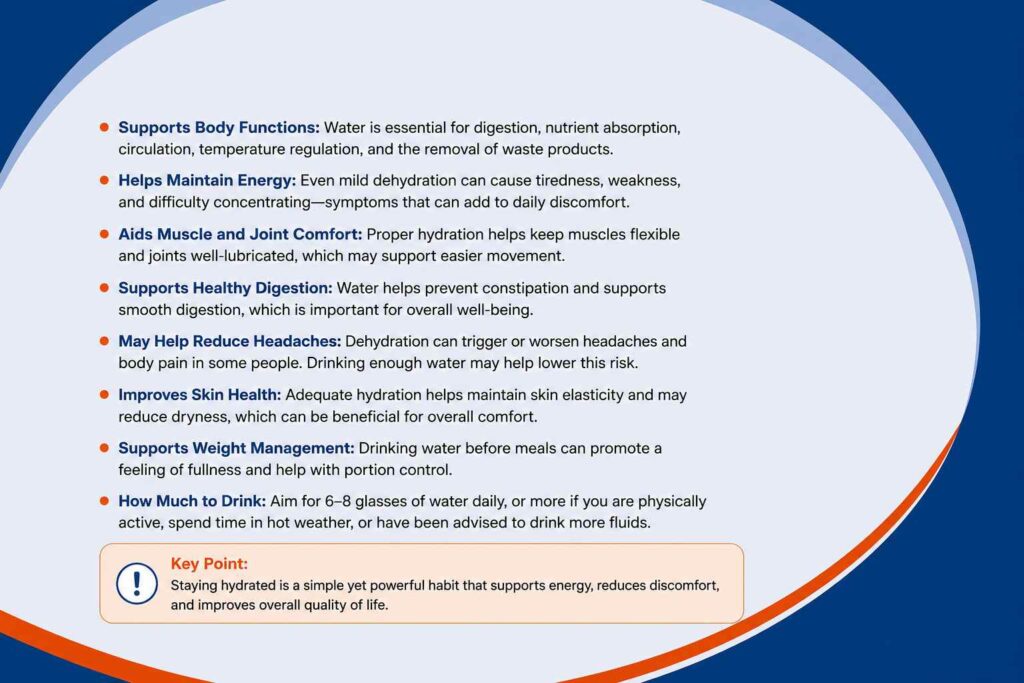
Hydration is an easily overlooked part of the best diet for fibromyalgia patients.
Water is required for normal physiological functions, including temperature regulation, digestion, and circulation.
People should drink fluids regularly throughout the day rather than waiting until they feel extremely thirsty.
Simple hydration habits include:
- Keeping drinking water easily accessible
- Drinking water with meals
- Increasing fluid intake during hot weather
- Drinking additional fluids around physical activity
- Choosing water instead of sugary drinks frequently
Individual fluid requirements vary according to body size, climate, physical activity, medical conditions, and medications.
People who have been advised to restrict fluids because of kidney, heart, or another medical condition should follow their clinician’s recommendations.
Can Diet Help With Fibromyalgia Fatigue
Fatigue is one of the most common challenges associated with fibromyalgia.
Food cannot necessarily remove fibromyalgia-related fatigue, but balanced meals can prevent additional tiredness associated with irregular eating or inadequate nutrition.
The best diet for fibromyalgia patients should provide consistent nourishment throughout the day.
Helpful approaches include:
- Eating regular balanced meals
- Avoiding frequent meal skipping
- Combining carbohydrates with protein
- Choosing high-fibre carbohydrates
- Drinking sufficient water
- Limiting excessive sugary foods
- Avoiding excessive caffeine, particularly later in the day
Large amounts of sugar can cause rapid changes in blood glucose levels, while excessive caffeine may interfere with sleep in sensitive individuals.
Because poor sleep is already common in fibromyalgia, protecting sleep quality is particularly important.
Practical Meal Planning Tips for Fibromyalgia Patients
A nutritious diet only works when it can realistically be maintained.
Fibromyalgia fatigue and pain can make shopping, chopping ingredients, cooking, and cleaning more difficult on some days.
The best diet for fibromyalgia patients should therefore include convenient healthy options.
Prepare Food When Energy Is Better
If symptoms fluctuate, use higher-energy days to prepare simple foods in advance.
For example, you can:
- Wash and cut vegetables
- Cook lentils or beans
- Prepare portions of whole grains
- Boil eggs
- Portion nuts and seeds
- Freeze homemade meals
This can reduce the amount of work required on more difficult days.
Keep Simple Foods Available
Healthy meals do not have to be complicated.
Oatmeal with fruit and nuts, eggs with whole-grain toast, yogurt with fruit, vegetable soup with lentils, or rice with vegetables and a protein source can all be straightforward options.
Build a Balanced Plate
A simple meal can contain:
- A generous portion of vegetables
- A suitable portion of whole grains or another complex carbohydrate
- A source of protein
- A small amount of healthy fat
Exact portions vary depending on age, body size, activity levels, medical history, and nutritional goals.
Nutrients to Pay Attention To
The best diet for fibromyalgia patients should provide a broad range of essential nutrients rather than focusing on one vitamin or mineral.
Important nutrients include:
Vitamin D
Vitamin D contributes to normal bone and muscle function. Sources include certain foods and sunlight exposure.
Vitamin D deficiency can occur for many reasons. Supplements should ideally be based on individual requirements and professional guidance rather than assuming fibromyalgia automatically means a deficiency.
Magnesium
Magnesium contributes to normal muscle and nerve function.
Food sources include:
- Leafy vegetables
- Nuts
- Seeds
- Legumes
- Whole grains
Vitamin B12
Vitamin B12 is required for normal nerve function and red blood cell formation.
It occurs naturally in animal-derived foods and fortified products. People following strict vegan diets may require particular attention to B12 intake.
Iron
Iron is important for haemoglobin production and oxygen transport.
Sources include meat, legumes, leafy vegetables, and fortified foods.
Persistent fatigue should not automatically be attributed to fibromyalgia. Nutritional deficiencies and other medical conditions can also contribute to tiredness and may require evaluation.
Weight Management and Fibromyalgia
Maintaining a healthy body weight may be beneficial for overall mobility, cardiovascular health, metabolic health, and physical functioning.
However, extreme dieting is generally not the answer.
The best diet for fibromyalgia patients should prioritise sustainable habits instead of rapid weight-loss programmes.
Useful strategies include:
- Controlling portion sizes
- Eating vegetables regularly
- Choosing high-fibre foods
- Including protein with meals
- Limiting sugary beverages
- Reducing frequent ultra-processed snacks
- Combining healthy eating with appropriate physical activity
Weight-management goals should be individualised, particularly when other medical conditions are present.
Should Fibromyalgia Patients Take Supplements
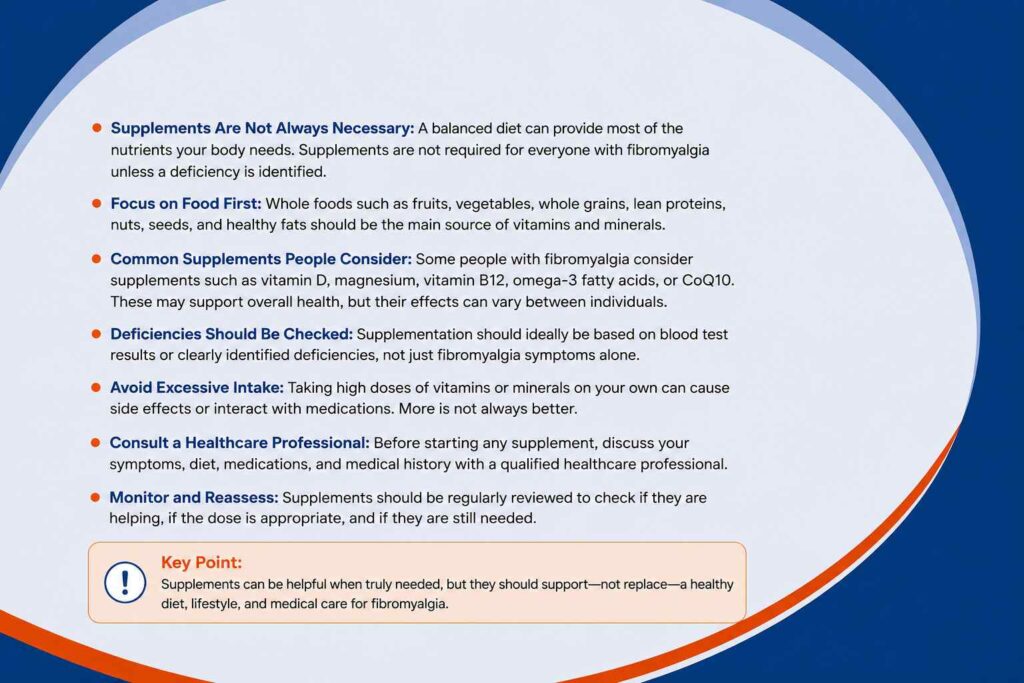
Supplements are frequently marketed to people with chronic pain and fatigue, but they should not automatically replace a balanced diet.
The need for supplementation depends on factors such as:
- Dietary intake
- Laboratory-confirmed deficiencies
- Age
- Medical conditions
- Medication use
- Pregnancy status
- Dietary restrictions
Taking excessive amounts of certain vitamins or minerals can cause side effects or interact with medications.
Therefore, the best diet for fibromyalgia patients should generally obtain nutrients through food where possible, with supplementation considered when clinically appropriate.
Keeping a Food and Symptom Diary
Because fibromyalgia varies between individuals, a food diary can help identify personal patterns.
Record information such as:
- Meals and snacks
- Drinks
- Approximate meal times
- Pain levels
- Fatigue
- Sleep quality
- Digestive symptoms
- Physical activity
Look for repeated patterns rather than assuming that a single meal caused a symptom flare.
Fibromyalgia symptoms can change because of sleep, physical activity, stress, illness, medication, and other factors. A diary is therefore an observational tool rather than a diagnostic test.
Benefits of Following a Balanced Fibromyalgia Diet
Following the best diet for fibromyalgia patients can contribute to overall health even when it does not directly change every fibromyalgia symptom.
Potential general benefits of good nutrition include:
- More consistent nutrient intake
- Support for normal energy metabolism
- Better digestive health through adequate fibre
- Support for healthy body weight
- Improved cardiovascular health
- Better overall meal quality
- Reduced dependence on ultra-processed foods
- Adequate protein for normal muscle maintenance
Diet works best as one component of a comprehensive fibromyalgia management strategy.
Diet Alongside Fibromyalgia Treatment
Nutrition should complement, rather than replace, appropriate fibromyalgia treatment.
Management can vary between individuals and may involve education, suitable physical activity, sleep management, psychological approaches, and medication when appropriate.
Regular physical activity is commonly an important component of fibromyalgia management, although exercise programmes often need to begin gradually.
Healthy eating can support these efforts by providing adequate energy and nutrients.
People experiencing new symptoms, significant changes in symptoms, unexplained weight loss, persistent digestive problems, or severe fatigue should seek medical assessment rather than assuming everything is caused by fibromyalgia.
Conclusion
The best diet for fibromyalgia patients is not based on a single food, supplement, or restrictive eating programme. A practical approach focuses on vegetables, fruits, whole grains, protein-rich foods, healthy fats, sufficient fluids, and fewer highly processed foods. Regular meals, sensible portions, and simple meal preparation can make healthy eating easier when pain or fatigue affects everyday activities. Individual food responses should be monitored carefully, and major dietary restrictions are best discussed with an appropriate healthcare professional. For people managing fibromyalgia in Thrissur, balanced nutrition can form a useful part of a broader, personalised approach to long-term health and symptom management. According to the National Center for Complementary and Integrative Health (NCCIH), fibromyalgia management may involve a combination of medical care, exercise, sleep strategies, and other supportive approaches.
Frequently Asked Questions
1. What is the best diet for fibromyalgia patients?
2. Which foods are good for people with fibromyalgia?
3. What foods should fibromyalgia patients avoid?
4. Can diet help reduce fibromyalgia symptoms?
5. Are fruits and vegetables good for fibromyalgia?
6. Is a gluten-free diet recommended for fibromyalgia?
7. Are omega-3 foods beneficial for fibromyalgia patients?
8. How important is hydration for people with fibromyalgia?
9. Should fibromyalgia patients take vitamin supplements?
10. How can I identify foods that trigger fibromyalgia symptoms?
BAARC Rheumatology Specialists

Dr Athul Paul
MD, Post Doctoral Fellowship in Rheumatology (CMC Vellore)
Consultant Rheumatologist
BAARC Rheumatology Clinic, Kozhikode

Dr Binoy J Paul
MD, PhD, DNB, FRCP (Edin.)
Senior Consultant Rheumatologist
BAARC Rheumatology Centre, Kozhikode