
7 Powerful Facts About WHAT CAUSES FIBROMYALGIA Explained Today
Fibromyalgia is a long-term condition that causes widespread pain, fatigue, sleep disturbances, and problems with memory and concentration. Many people wonder WHAT CAUSES FIBROMYALGIA and why it affects some individuals more than others. Although researchers have not identified a single cause, they believe the condition develops due to a combination of genetic, neurological, environmental, and psychological factors. People in Kozhikode and other regions can benefit from understanding these contributing factors, as early recognition helps improve symptom management and quality of life.
Learning WHAT CAUSES FIBROMYALGIA is important because it allows people to recognize risk factors, identify symptoms earlier, and seek appropriate medical care. While fibromyalgia cannot always be prevented, understanding its causes and triggers can help reduce flare-ups and improve daily living.
Understanding WHAT CAUSES FIBROMYALGIA
Many experts believe that WHAT CAUSES FIBROMYALGIA cannot be explained by a single event or illness. Instead, the condition develops when several factors work together over time.
Researchers suggest that fibromyalgia changes how the brain and nervous system process pain signals. Instead of responding normally, the nervous system becomes more sensitive, making even mild sensations feel painful.
This process is known as central sensitization, one of the leading explanations for fibromyalgia.
How the Nervous System Is Involved
The nervous system normally protects the body by detecting pain from injuries or illnesses. However, in fibromyalgia, the brain may amplify pain signals.
Possible nervous system changes include:
- Increased sensitivity to pain
- Reduced pain tolerance
- Changes in neurotransmitter levels
- Abnormal pain processing
- Heightened response to touch, pressure, and temperature
These changes help explain why people experience widespread pain even when no visible injury is present.
Major Factors Behind CAUSES FIBROMYALGIA
Although no single cause has been confirmed, researchers have identified several important contributing factors.
1. Genetics
Family history appears to play a significant role.
People who have close relatives with fibromyalgia are more likely to develop the condition themselves. Certain genes may increase sensitivity to pain or affect how the nervous system responds to stress.
Researchers continue studying these genetic variations to better understand fibromyalgia.
2. Abnormal Pain Processing
One of the strongest theories behind WHAT CAUSES FIBROMYALGIA is abnormal pain processing.
The brain receives signals from nerves throughout the body. In fibromyalgia, these signals may become exaggerated.
As a result:
- Mild pressure feels painful
- Small injuries hurt more than expected
- Pain lasts longer
- The body becomes overly sensitive
3. Physical Trauma
Some individuals develop fibromyalgia after experiencing physical injuries.
Examples include:
- Car accidents
- Falls
- Sports injuries
- Surgery
- Repetitive strain injuries
Physical trauma may trigger changes in the nervous system that continue long after the original injury heals.
4. Emotional Stress
Long-term emotional stress is another important factor.
Stress affects hormones, sleep, immune function, and the nervous system. Chronic stress may increase pain sensitivity and contribute to fibromyalgia symptoms.
Common stressors include:
- Work pressure
- Family difficulties
- Financial concerns
- Emotional trauma
- Major life changes
5. Infections
Certain infections appear to trigger fibromyalgia in some people.
Examples include:
- Viral infections
- Bacterial infections
- Flu
- Lyme disease
- Epstein-Barr virus
Although infections do not directly cause fibromyalgia, they may initiate long-lasting nervous system changes.
6. Sleep Problems
Poor sleep is strongly associated with fibromyalgia.
People often experience:
- Difficulty falling asleep
- Frequent awakening
- Non-restorative sleep
- Restless sleep
Sleep deprivation increases pain sensitivity and fatigue, creating a cycle that worsens symptoms.
7. Hormonal Changes
Researchers continue studying how hormones influence fibromyalgia.
Possible hormonal factors include:
- Cortisol imbalance
- Thyroid disorders
- Changes in serotonin
- Dopamine imbalance
- Growth hormone abnormalities
These hormonal changes may affect pain regulation and energy levels.
Risk Factors That Increase the Chances of Fibromyalgia
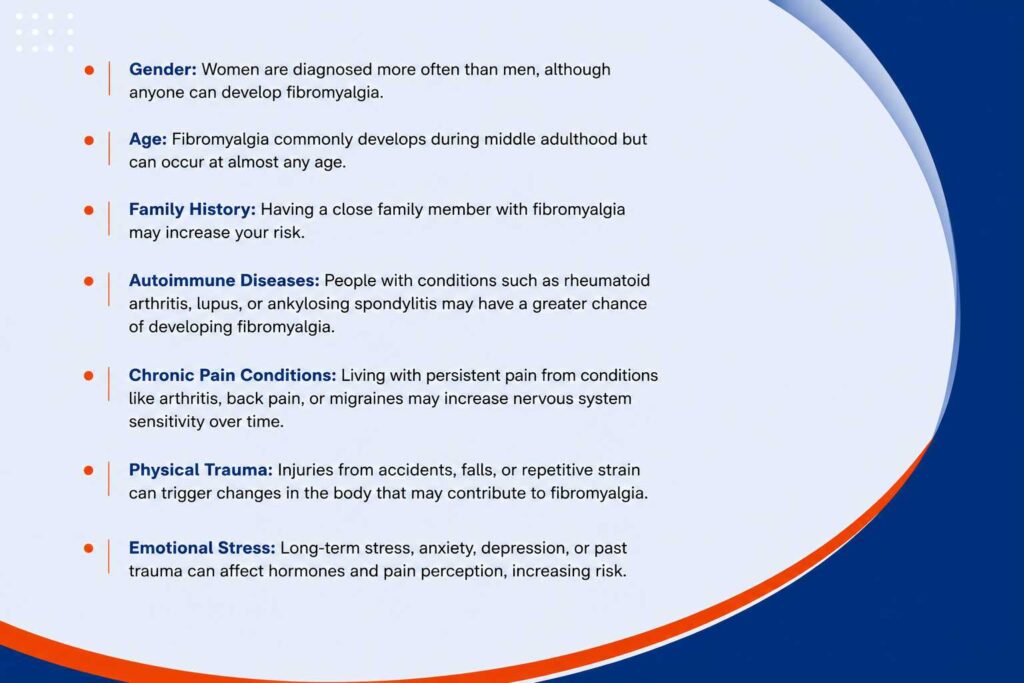
Several factors increase the likelihood of developing fibromyalgia.
Gender
Women are diagnosed more often than men, although anyone can develop the condition.
Age
Fibromyalgia commonly develops during middle adulthood but can occur at almost any age.
Family History
A close family member with fibromyalgia may increase risk.
Autoimmune Diseases
People with conditions such as:
- Rheumatoid arthritis
- Lupus
- Ankylosing spondylitis
may have a greater chance of developing fibromyalgia.
Chronic Pain Conditions
Living with persistent pain from another condition may increase nervous system sensitivity over time.
Examples include:
- Arthritis
- Migraine
- Back pain
- Neck pain
- Chronic headaches
Common Symptoms Associated with WHAT CAUSES FIBROMYALGIA
Understanding WHAT CAUSES FIBROMYALGIA also involves recognizing its symptoms.
Common symptoms include:
- Widespread muscle pain
- Tender points
- Morning stiffness
- Fatigue
- Poor sleep
- Brain fog
- Difficulty concentrating
- Memory problems
- Anxiety
- Depression
- Headaches
- Tingling sensations
- Irritable bowel syndrome
- Increased sensitivity to sound
- Sensitivity to light
- Sensitivity to temperature
Symptoms often vary from person to person and may come and go.
Fibromyalgia Triggers
Although triggers do not directly explain WHAT CAUSES FIBROMYALGIA, they often worsen symptoms.
Common triggers include:
- Cold weather
- Lack of sleep
- Stress
- Overexertion
- Poor diet
- Hormonal changes
- Infections
- Anxiety
- Depression
- Weather changes
Avoiding personal triggers may reduce flare-ups.
How Fibromyalgia Is Diagnosed
There is no single laboratory test for fibromyalgia.
Healthcare providers diagnose the condition by:
- Reviewing medical history
- Assessing symptoms
- Performing a physical examination
- Evaluating widespread pain
- Ruling out other medical conditions
Blood tests and imaging may be used to exclude illnesses with similar symptoms.
Conditions That Can Mimic Fibromyalgia
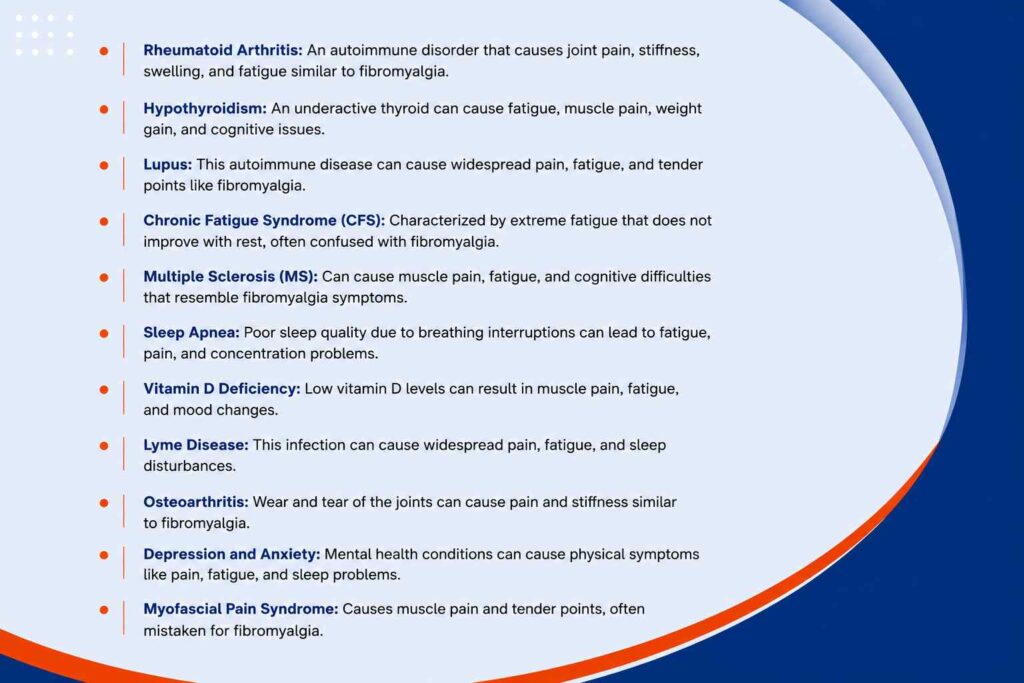
Several conditions produce symptoms similar to fibromyalgia.
These include:
- Rheumatoid arthritis
- Lupus
- Multiple sclerosis
- Chronic fatigue syndrome
- Hypothyroidism
- Vitamin D deficiency
- Polymyalgia rheumatica
- Osteoarthritis
Accurate diagnosis is important for appropriate treatment.
Although there is no cure, effective treatment can help control symptoms and improve quality of life. Since understanding WHAT CAUSES FIBROMYALGIA involves recognizing that multiple factors contribute to the condition, treatment often combines medications, physical therapies, and healthy lifestyle changes.
Medications
A healthcare provider may recommend medications to reduce pain, improve sleep, or manage associated symptoms.
Common medication categories include:
- Pain relievers
- Antidepressants
- Anti-seizure medications
- Muscle relaxants (when appropriate)
- Sleep-support medications
Always take medications exactly as prescribed and never start or stop them without medical advice.
Physical Therapy
Physical therapy can help improve flexibility, strength, and mobility while reducing discomfort.
Benefits include:
- Better posture
- Improved balance
- Reduced muscle stiffness
- Increased endurance
- Easier daily movement
A physical therapist can create a personalized exercise plan based on individual needs.
Exercise and Physical Activity
Regular exercise is one of the most effective ways to manage fibromyalgia symptoms. Although it may feel difficult at first, starting slowly and increasing activity gradually often produces the best results.
Recommended exercises include:
- Walking
- Swimming
- Cycling
- Stretching routines
- Water-based exercises
- Yoga
- Pilates
- Low-impact aerobic workouts
Consistency is more important than intensity.
Cognitive Behavioral Therapy (CBT)
Living with chronic pain can affect emotional well-being. Cognitive Behavioral Therapy (CBT) helps individuals develop practical coping strategies.
CBT may help with:
- Managing stress
- Reducing anxiety
- Improving sleep habits
- Coping with chronic pain
- Building positive daily routines
Sleep Management
Quality sleep plays a major role in reducing fibromyalgia symptoms.
Helpful sleep habits include:
- Going to bed at the same time every night
- Limiting screen time before bed
- Keeping the bedroom cool and quiet
- Avoiding caffeine late in the day
- Practicing relaxation techniques before sleep
Improving sleep quality may reduce pain and daytime fatigue.
Lifestyle Changes That Support Fibromyalgia Management
Healthy daily habits can make a significant difference in symptom control.
Eat a Balanced Diet
Although no specific diet cures fibromyalgia, nutritious foods support overall health.
Choose foods such as:
- Fresh fruits
- Vegetables
- Whole grains
- Lean protein
- Healthy fats
- Nuts and seeds
- Legumes
Try to limit:
- Highly processed foods
- Excess sugar
- Sugary beverages
- Excessive caffeine
- Alcohol
Manage Stress Effectively
Stress is a common trigger for symptom flare-ups.
Stress-management techniques include:
- Meditation
- Deep breathing exercises
- Mindfulness
- Gentle stretching
- Reading
- Listening to music
- Spending time outdoors
- Pursuing hobbies
Even a few minutes of relaxation each day can be beneficial.
Stay Physically Active
Avoid remaining inactive for long periods.
Simple activities such as:
- Short walks
- Light stretching
- Household tasks
- Gardening
- Gentle mobility exercises
can help maintain flexibility and reduce stiffness.
Pace Daily Activities
Many people experience symptom flare-ups after doing too much in a short period.
Helpful pacing strategies include:
- Taking regular breaks
- Dividing large tasks into smaller steps
- Avoiding overexertion
- Planning rest periods
- Prioritizing essential activities
Learning to balance activity and rest helps reduce fatigue.
Can Fibromyalgia Be Prevented
Since researchers have not identified a single answer to WHAT CAUSES FIBROMYALGIA, there is no guaranteed way to prevent it.
However, healthy lifestyle habits may lower the risk of severe symptoms and improve overall well-being.
Prevention-focused habits include:
- Maintaining regular physical activity
- Managing stress effectively
- Getting enough sleep
- Eating a nutritious diet
- Staying hydrated
- Seeking treatment for chronic pain conditions
- Managing underlying medical conditions
- Avoiding smoking
Long-Term Outlook
Fibromyalgia is considered a chronic condition, but many people successfully manage their symptoms.
With an appropriate treatment plan, individuals may experience:
- Reduced pain
- Improved sleep
- Better energy levels
- Increased physical function
- Better emotional health
- Improved quality of life
Symptoms often fluctuate, with periods of improvement and flare-ups.
Regular follow-up with healthcare professionals can help adjust treatment as needed.
When Should You Seek Medical Advice
Consult a healthcare provider if you experience:
- Widespread pain lasting more than three months
- Persistent fatigue
- Sleep problems that do not improve
- Difficulty performing daily activities
- Memory or concentration problems
- Increasing pain without an obvious cause
Early diagnosis can help rule out other conditions and begin appropriate management sooner.
Conclusion
Understanding WHAT CAUSES FIBROMYALGIA is an important step toward recognizing the condition and managing it effectively. While researchers continue to study the exact cause, current evidence suggests that genetics, changes in pain processing, physical trauma, infections, emotional stress, sleep disturbances, and hormonal factors all contribute to its development. Early diagnosis, regular physical activity, healthy sleep habits, stress management, and individualized treatment plans can significantly improve quality of life. If symptoms persist or interfere with everyday activities, seeking professional medical evaluation is recommended. People in Kozhikode who experience ongoing widespread pain and fatigue should not ignore these symptoms, as timely assessment can support better long-term management. For reliable, evidence-based information about fibromyalgia, visit the National Institute of Arthritis and Musculoskeletal and Skin Diseases (NIAMS) .
Frequently Asked Questions
1. What causes fibromyalgia?
2. Is fibromyalgia hereditary?
3. Can stress cause fibromyalgia?
4. Does fibromyalgia worsen with age?
5. Can fibromyalgia be cured?
6. What foods should people with fibromyalgia avoid?
7. Is exercise safe for fibromyalgia?
8. How is fibromyalgia diagnosed?
9. Can poor sleep make fibromyalgia worse?
10. What is the most common symptom of fibromyalgia?
11. Can diet help manage fibromyalgia?
12. Should fibromyalgia symptoms always be medically evaluated?
BAARC Rheumatology Specialists

Dr Athul Paul
MD, Post Doctoral Fellowship in Rheumatology (CMC Vellore)
Consultant Rheumatologist
BAARC Rheumatology Clinic, Kozhikode

Dr Binoy J Paul
MD, PhD, DNB, FRCP (Edin.)
Senior Consultant Rheumatologist
BAARC Rheumatology Centre, Kozhikode