

Can Uric Acid Be Controlled Permanently? A Complete Guide to Long-Term Management
High uric acid levels have become increasingly common due to modern dietary habits, sedentary lifestyles, obesity, and certain medical conditions. Many people diagnosed with hyperuricemia or gout often ask a crucial question: can uric acid be controlled permanently? The answer depends on several factors, including the underlying cause, lifestyle choices, medical treatment, and long-term commitment to healthy habits.
Understanding can uric acid be controlled permanently is important because uncontrolled uric acid levels can lead to gout attacks, kidney stones, joint damage, and other health complications. Fortunately, with proper management, many individuals can successfully maintain healthy uric acid levels for years and significantly reduce the risk of recurrence.
If you are looking for comprehensive information about diagnosis, medications, lifestyle modifications, and long-term management, explore our guide on Uric Acid Treatment in Kozhikode to understand the available treatment approaches and expert care options.This article explains can uric acid be controlled permanently, the factors affecting uric acid levels, available treatment options, dietary recommendations, lifestyle modifications, and practical strategies for long-term control.
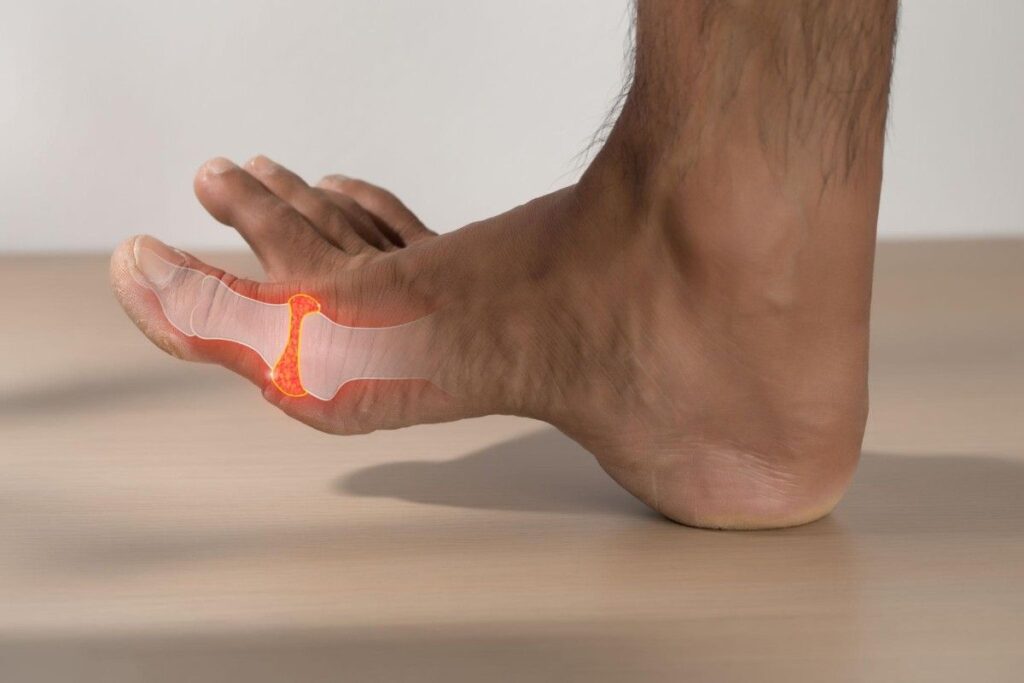
What Is Uric Acid?
Uric acid is a waste product produced when the body breaks down substances called purines. Purines are naturally present in the body and are also found in many foods.
Normally, uric acid dissolves in the blood and passes through the kidneys before being eliminated in urine. However, when the body produces too much uric acid or fails to remove enough of it, levels can rise.
This condition is known as hyperuricemia.
Understanding this process is the first step in answering can uric acid be controlled permanently.
What Causes High Uric Acid Levels?
Several factors can contribute to elevated uric acid levels.
Dietary Factors
Foods rich in purines include:
- Red meat
- Organ meat
- Certain seafood
- Processed foods
- Sugary beverages
Obesity
Excess body weight increases uric acid production and reduces elimination.
Kidney Problems
Impaired kidney function can reduce uric acid removal.
Genetics
Family history may increase the likelihood of developing high uric acid.
Certain Medications
Some medicines may contribute to elevated uric acid levels.
These causes influence whether can uric acid be controlled permanently becomes achievable for an individual.
What Happens When Uric Acid Becomes Too High?
High uric acid may not always cause symptoms initially.
Over time, however, it can lead to:
Gout
Painful arthritis caused by uric acid crystal deposits.
Kidney Stones
Crystals may accumulate within the urinary tract.
Joint Damage
Repeated inflammation can damage joints.
Chronic Pain
Persistent gout attacks may affect mobility.
Understanding these complications highlights why people ask can uric acid be controlled permanently before long-term damage occurs.

Can Uric Acid Be Controlled Permanently?
The short answer is yes, in many cases uric acid can be controlled permanently through consistent lifestyle changes, medical treatment, and ongoing monitoring.
However, “permanent control” does not necessarily mean a permanent cure.
For many patients, uric acid remains under control when they:
- Follow dietary recommendations
- Maintain healthy body weight
- Take prescribed medications
- Stay physically active
- Attend regular medical checkups
The success of controlling uric acid depends largely on long-term adherence to healthy habits.
Importance of Early Diagnosis
Early detection greatly improves the chances of successful long-term management.
Diagnosis may involve:
- Blood tests
- Urine tests
- Kidney function evaluation
- Joint fluid analysis during gout attacks
Identifying elevated levels early helps answer can uric acid be controlled permanently more positively because complications can often be prevented.
Dietary Changes for Long-Term Uric Acid Control
Diet plays a major role in uric acid management.
Foods to Eat More Often
- Fresh vegetables
- Fruits
- Whole grains
- Low-fat dairy products
- Nuts and seeds
- Water-rich foods
Foods to Limit
- Red meat
- Liver and organ meats
- Shellfish
- Alcohol
- Sugary drinks
Following a balanced diet is one of the most effective answers to can uric acid be controlled permanently.
The Role of Hydration
Adequate hydration supports kidney function and uric acid elimination.
Benefits of Drinking More Water
- Improves kidney filtration
- Reduces crystal formation
- Lowers kidney stone risk
- Supports overall metabolism
Many specialists recommend maintaining adequate daily fluid intake for better uric acid control.
Weight Management and Uric Acid
Excess weight is strongly linked to elevated uric acid levels.
Benefits of Healthy Weight Loss
- Reduces uric acid production
- Improves insulin sensitivity
- Supports kidney health
- Decreases gout flare frequency
Gradual and sustainable weight loss is often recommended.
Exercise and Physical Activity
Regular exercise supports overall metabolic health.
Suitable Activities
- Walking
- Swimming
- Cycling
- Yoga
- Stretching
Exercise contributes significantly to the long-term answer to can uric acid be controlled permanently.
Medications Used to Control Uric Acid
Some patients require medication for long-term management.
Common Treatment Approaches
- Uric acid-lowering medicines
- Anti-inflammatory medications
- Gout attack prevention therapy
Medication decisions should always be guided by healthcare professionals.
Can Uric Acid Return After Treatment?
Yes, uric acid levels can rise again if healthy habits are discontinued.
Common reasons include:
- Poor diet
- Weight gain
- Medication non-compliance
- Reduced physical activity
- Excess alcohol intake
This is why long-term management is essential.
Common Myths About Uric Acid
Myth 1: Uric Acid Only Affects Older Adults
High uric acid can occur at any age.
Myth 2: Symptoms Always Appear Immediately
Many people remain symptom-free for years.
Myth 3: Medication Alone Is Enough
Lifestyle changes remain essential.
Myth 4: Gout Is the Only Concern
High uric acid may also affect kidneys and overall health.
Natural Ways to Support Uric Acid Control
Several healthy habits may support medical treatment.
Helpful Strategies
- Eating more fruits and vegetables
- Staying hydrated
- Exercising regularly
- Reducing sugary beverages
- Managing stress
- Maintaining healthy sleep patterns
These habits help reinforce can uric acid be controlled permanently through sustainable lifestyle improvements.
Warning Signs That Require Medical Attention
Seek professional care if you experience:
- Sudden severe joint pain
- Joint swelling
- Recurrent gout attacks
- Kidney stone symptoms
- Persistent elevated uric acid levels
Early intervention improves long-term outcomes.
Long-Term Benefits of Controlling Uric Acid
Successful management may provide:
- Fewer gout attacks
- Better joint health
- Reduced kidney stone risk
- Improved mobility
- Better quality of life
- Reduced inflammation
These benefits motivate many patients to remain committed to treatment plans.
Preventing Future Uric Acid Problems
Long-term prevention involves:
Healthy Eating
Focus on balanced nutrition.
Routine Exercise
Maintain regular activity.
Medical Follow-Up
Monitor uric acid levels periodically.
Weight Control
Avoid obesity-related complications.
Hydration
Support kidney function daily.
These preventive strategies strengthen the answer to can uric acid be controlled permanently.
Conclusion
So, can uric acid be controlled permanently? In many cases, yes. While some individuals may require lifelong attention to diet, lifestyle, and medication, maintaining healthy uric acid levels is achievable with consistent effort and proper medical guidance.
The key to long-term success lies in early diagnosis, healthy eating habits, regular exercise, adequate hydration, weight management, and routine monitoring. By taking proactive steps, individuals can significantly reduce the risk of gout attacks, kidney stones, and long-term complications while enjoying a healthier and more active life. For more information about gout and uric acid management, visit gout.
Frequently Asked Questions
1. Can uric acid be controlled permanently?
2. What causes uric acid levels to increase?
3. Can lifestyle changes alone reduce uric acid levels?
4. Which foods should be avoided when managing uric acid?
5. How much water should I drink to help control uric acid?
6. Can high uric acid levels cause gout?
7. Is medication necessary for permanent uric acid control?
8. How often should uric acid levels be checked?
9. Can weight loss help lower uric acid levels?
10. What is the best long-term strategy for controlling uric acid?
BAARC Rheumatology Specialists

Dr Athul Paul
MD, Post Doctoral Fellowship in Rheumatology (CMC Vellore)
Consultant Rheumatologist
BAARC Rheumatology Clinic, Kozhikode

Dr Binoy J Paul
MD, PhD, DNB, FRCP (Edin.)
Senior Consultant Rheumatologist
BAARC Rheumatology Centre, Kozhikode