
7 Proven Guide: What Is the Best Treatment for Fibromyalgia?
Living with widespread pain, tiredness, poor sleep, and difficulty concentrating can make everyday life difficult. If you are asking what is the best treatment for fibromyalgia?, the answer is usually not one medicine or one therapy. Fibromyalgia is a long-term condition that affects how the nervous system processes pain, so treatment generally combines several approaches based on the person’s symptoms, health, activity level, and daily needs.
If you are searching for what is the best treatment for fibromyalgia? in Kozhikode or elsewhere, it is important to understand that treatment should be personalized. Exercise, physical therapy, psychological support, sleep improvement, medicines, stress management, and healthy daily habits can work together to improve comfort and quality of life
What Is Fibromyalgia?
Fibromyalgia is a chronic condition associated with widespread musculoskeletal pain, increased sensitivity to pain, fatigue, sleep difficulties, and cognitive problems often described as “fibro fog.” Symptoms can change over time, with periods when they become more noticeable and periods when they are easier to manage.
Fibromyalgia does not usually cause the type of permanent joint damage associated with inflammatory arthritis. Instead, researchers believe that changes in pain processing can make normal signals feel more painful.
Common features include:
- Widespread body pain
- Increased sensitivity to pressure or touch
- Persistent fatigue
- Unrefreshing sleep
- Muscle stiffness
- Headaches
- Difficulty concentrating
- Memory problems
- Mood changes
- Reduced ability to tolerate physical or mental stress
Understanding the condition is important when considering what is the best treatment for fibromyalgia? because successful management usually addresses more than pain alone.

What Is the Best Treatment for Fibromyalgia?
There is no single treatment that works equally well for everyone. Current guidance supports a combination of physical activity or movement therapies, psychological and behavioral approaches, medicines when appropriate, and self-management strategies.
The best treatment plan may focus on:
- Reducing pain
- Improving sleep
- Increasing physical function
- Managing fatigue
- Supporting emotional well-being
- Improving concentration
- Preventing activity-related flare-ups
- Helping you maintain normal daily activities
For this reason, asking what is the best treatment for fibromyalgia? should lead to a discussion about your individual symptoms rather than a search for one universal cure.
Why Does Fibromyalgia Develop?
The exact cause of fibromyalgia is not completely understood. Researchers believe that changes in the central nervous system and the way pain signals are processed may contribute to increased pain sensitivity. Genetics may also influence susceptibility. Physical illness, injury, infection, or prolonged stress may be associated with the onset of symptoms in some people.
Possible contributing factors include:
- Changes in Pain Processing
The nervous system may become more sensitive to signals associated with pain. This can make otherwise mild sensations feel uncomfortable.
- Genetic Factors
Fibromyalgia can occur in several members of the same family, suggesting that inherited factors may contribute to risk.
- Physical or Emotional Stress
Some people notice their symptoms beginning or becoming worse after injury, illness, surgery, or periods of significant stress.
- Sleep Disturbances
Poor-quality sleep can increase tiredness and make pain harder to manage.
Usually, fibromyalgia does not have one identifiable cause. Several factors may interact.
Common Symptoms of Fibromyalgia
Symptoms differ from person to person. Some people experience pain as their main concern, while others struggle more with fatigue, sleep, or cognitive difficulties.
- Widespread Pain
Pain may be aching, burning, throbbing, or deep. It can affect different parts of the body and may change in intensity.
- Fatigue
Persistent tiredness can make work, exercise, household activities, and social activities harder.
- Sleep Problems
A person may have difficulty falling asleep, wake repeatedly, or sleep for several hours without feeling refreshed.
- Fibro Fog
Fibro fog can involve:
- Forgetfulness
- Difficulty concentrating
- Trouble finding words
- Slower thinking
- Difficulty multitasking
- Stiffness
Muscle stiffness may be particularly noticeable after waking or after remaining in one position for a long time.
- Headaches and Other Symptoms
Some people also experience headaches, digestive symptoms, tingling sensations, mood changes, or increased sensitivity to certain stimuli.
Recognizing the complete symptom pattern helps a healthcare professional determine what is the best treatment for fibromyalgia? for that individual.
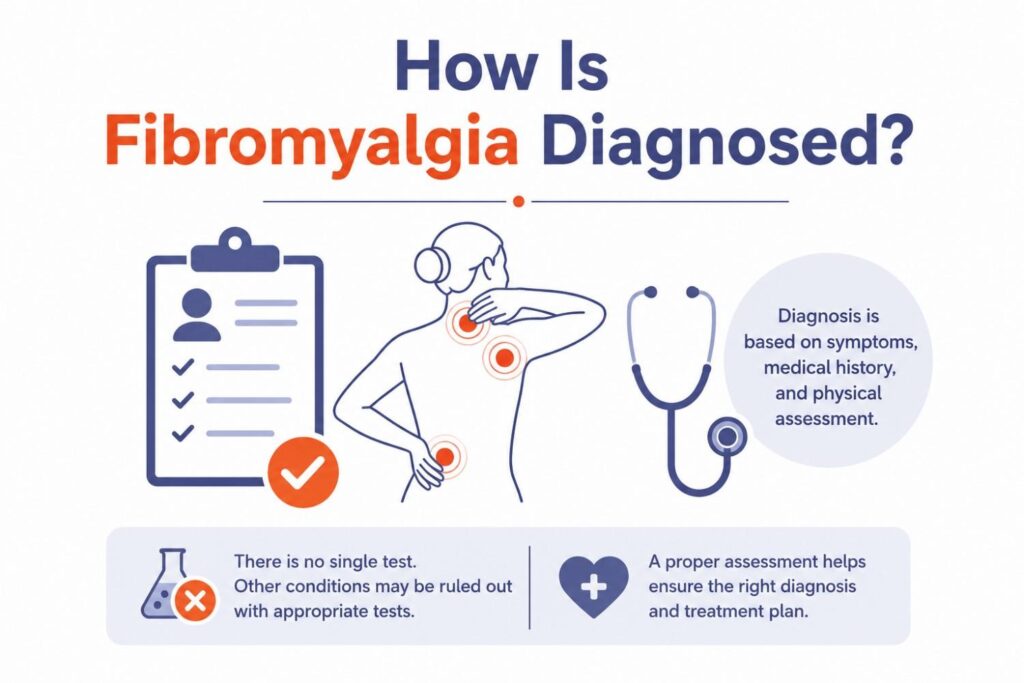
How Is Fibromyalgia Diagnosed?
There is no single blood test, scan, or imaging study that confirms fibromyalgia. Diagnosis is generally based on symptoms, medical history, physical assessment, and consideration of other possible conditions. Tests may be used to rule out other causes of widespread pain or fatigue.
A healthcare professional may review:
- How long the pain has been present
- Where pain occurs
- Fatigue levels
- Sleep quality
- Concentration difficulties
- Other medical conditions
- Current medications
- Physical examination findings
Blood tests may sometimes be appropriate when another condition needs to be excluded.
A proper assessment is important because widespread pain can have several possible causes.
1. Exercise and Movement Therapy
When discussing what is the best treatment for fibromyalgia?, regular physical activity deserves special attention. Exercise is considered an important part of fibromyalgia management and can help improve physical function, pain, sleep, and overall well-being.
The key is to begin at a manageable level.
Suitable activities may include:
- Walking
- Swimming
- Water-based exercise
- Cycling
- Gentle stretching
- Yoga
- Tai chi
- Light strengthening exercises
Starting too aggressively may increase discomfort. A gradual approach is usually more practical.
How to Start Exercise Safely
Try to:
- Begin with short sessions.
- Choose low-impact activities.
- Maintain a comfortable pace.
- Increase activity gradually.
- Take appropriate recovery periods.
- Work with a physiotherapist if you need guidance.
Consistency is usually more useful than exercising intensely on occasional days.
2. Physical Therapy
Physical therapy can help people improve movement, flexibility, strength, posture, and physical function.
A physiotherapist can develop an activity plan according to your current abilities. The program may include:
- Gentle mobility exercises
- Stretching
- Strengthening
- Low-impact aerobic activity
- Posture education
- Functional movement training
Physical therapy can be especially useful for someone who is unsure how much activity is appropriate.
3. Cognitive Behavioral Therapy
Cognitive Behavioral Therapy, or CBT, can be useful for people dealing with chronic pain. It helps individuals recognize patterns in thoughts and behaviors and develop practical strategies for coping with long-term symptoms. NIAMS identifies cognitive behavioral therapy as one component that can be helpful in fibromyalgia management.
CBT may help with:
- Pain coping
- Stress
- Sleep difficulties
- Anxiety
- Low mood
- Unhelpful thought patterns
- Confidence in managing symptoms
CBT does not mean that fibromyalgia pain is imaginary. It is a practical approach for improving coping skills and reducing the impact chronic symptoms can have on daily life.
4. Medicines for Symptom Management
Medication may form part of the answer to what is the best treatment for fibromyalgia?, particularly when pain, sleep problems, or other symptoms remain difficult to manage.
Depending on the person’s symptoms, a doctor may consider medicines such as certain antidepressants or anti-seizure medicines that can influence pain processing. Some medicines may also help with sleep.
Treatment should be individualized because medicines can have side effects and may interact with other medications.
Why Medication Should Be Personalized
Your healthcare professional may consider:
- Your main symptoms
- Other health conditions
- Current medications
- Sleep problems
- Mood symptoms
- Possible side effects
- Previous treatment response
Do not start, stop, or change prescription medication without professional guidance.
5. Better Sleep Management
Sleep and fibromyalgia are closely connected. Poor sleep can worsen fatigue and may make pain more difficult to manage.
Improving sleep habits can therefore be an important part of what is the best treatment for fibromyalgia?
Helpful habits include:
- Go to bed and wake up at consistent times.
- Keep the bedroom quiet and comfortable.
- Reduce screen use before bedtime.
- Avoid excessive caffeine late in the day.
- Create a relaxing bedtime routine.
- Give yourself enough time for sleep.
- Discuss persistent sleep problems with a healthcare professional.
If symptoms such as loud snoring, repeated waking, or severe daytime sleepiness are present, additional assessment may be appropriate.
6. Stress Management
Stress does not mean that fibromyalgia is psychological. However, stress can make symptoms harder to manage and may contribute to symptom flare-ups.
Simple techniques can include:
- Deep breathing
- Meditation
- Mindfulness
- Gentle stretching
- Relaxation exercises
- Time outdoors
- Quiet hobbies
- Counseling when appropriate
The goal is not to eliminate every stressful situation. Instead, it is to build practical ways of responding to stress.
7. Pacing and Energy Management
One of the most useful daily strategies is learning how to balance activity and rest.
People with fibromyalgia may sometimes feel better and try to complete too many tasks at once. This can be followed by increased pain and fatigue.
Instead, try:
- Breaking large tasks into smaller steps.
- Taking planned breaks.
- Alternating demanding and lighter activities.
- Avoiding sudden increases in exercise.
- Planning important activities around your energy levels.
This approach can help reduce the cycle of doing too much on good days and needing prolonged rest afterward.
What Is the Best Treatment for Fibromyalgia for Different Symptoms?
The answer can change depending on which symptoms are most troublesome.
When Pain Is the Main Problem
A healthcare professional may consider a combination of:
- Appropriate medication
- Physical activity
- Physical therapy
- Pain coping strategies
- Sleep improvement
When Fatigue Is the Main Problem
The focus may include:
- Better sleep habits
- Pacing
- Gradual exercise
- Treating contributing conditions
- Reviewing medications
When Sleep Is the Main Problem
The treatment plan may emphasize:
- Consistent sleep schedules
- Relaxation
- Sleep assessment
- Appropriate medication when indicated
- Management of other sleep disorders
When Stress or Low Mood Is Prominent
Psychological support, CBT, relaxation techniques, social support, and appropriate medical care may become more important.
This symptom-based approach is why there is no single answer to what is the best treatment for fibromyalgia?
Benefits of a Personalized Fibromyalgia Treatment Plan
A structured treatment plan can help people:
- Manage pain more effectively
- Improve sleep
- Increase physical activity
- Reduce stiffness
- Improve energy management
- Build confidence
- Cope with stress
- Maintain daily activities
- Improve overall quality of life
The goal is not necessarily to make every symptom disappear. Instead, treatment aims to make symptoms more manageable and help the person remain as active and independent as possible.
Conclusion
So, what is the best treatment for fibromyalgia? The most useful answer is a personalized combination of treatments rather than one universal therapy. Regular low-impact exercise, physical therapy, appropriate medicines, CBT or other psychological support, better sleep, stress management, pacing, and healthy lifestyle habits can all have a role.
The right plan depends on your symptoms, medical history, physical abilities, sleep quality, and response to previous treatments. If widespread pain, fatigue, sleep problems, or fibro fog are interfering with your daily life, professional evaluation can help identify an appropriate management strategy.
For people seeking guidance on what is the best treatment for fibromyalgia? in Kozhikode, a personalized evaluation and evidence-based treatment plan can provide a practical path toward better symptom control and improved quality of life.For reliable, evidence-based information about fibromyalgia, its symptoms, causes, and treatment options, visit the National Institute of Arthritis and Musculoskeletal and Skin Diseases (NIAMS) .
FREQUENTLY ASKED QUESTIONS
BAARC Rheumatology Specialists

Dr Athul Paul
MD, Post Doctoral Fellowship in Rheumatology (CMC Vellore)
Consultant Rheumatologist
BAARC Rheumatology Clinic, Kozhikode

Dr Binoy J Paul
MD, PhD, DNB, FRCP (Edin.)
Senior Consultant Rheumatologist
BAARC Rheumatology Centre, Kozhikode