
Scleroderma Diagnosis and Evaluation: Tests, Assessment Methods, and Care Planning Overview
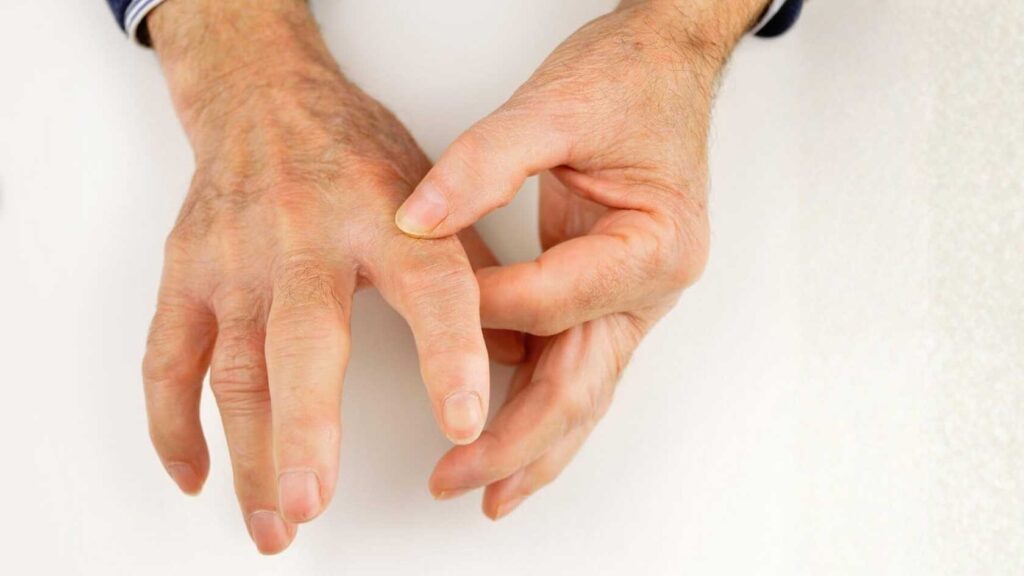
Scleroderma diagnosis and evaluation involve a detailed clinical process to identify symptoms, confirm the condition, and assess how it affects the body. For individuals undergoing scleroderma diagnosis and evaluation in Kerala, early medical assessment helps detect disease patterns, monitor progression, and plan long-term management. Since scleroderma affects connective tissues, skin, blood vessels, and sometimes internal organs, diagnosis requires careful observation, structured assessment, and follow-up evaluation.
The process focuses on identifying the type of scleroderma, understanding symptom severity, and determining whether internal organs are involved. Early evaluation helps guide appropriate treatment decisions and ongoing care planning.
1. Importance Of Early Diagnosis
Early diagnosis plays a key role in managing scleroderma effectively. Identifying symptoms at an early stage allows for timely monitoring and intervention.
Benefits of early diagnosis include:
Recognition of skin and joint changes
Monitoring circulation issues
Identifying early internal organ involvement
Planning long-term care strategies
Prompt evaluation supports better disease control and symptom management.
2. Understanding Clinical Symptoms
Scleroderma symptoms can vary widely among individuals. Some experience localized skin changes, while others may develop systemic involvement.
Common symptoms assessed include:
Skin thickening or tightening
Joint stiffness
Cold sensitivity in fingers and toes
Digestive discomfort
Breathing-related concerns
Recognizing symptom patterns supports accurate diagnosis.
3. Medical History Review
A comprehensive medical history helps understand how symptoms developed and progressed over time. This information guides further evaluation.
Medical history discussion may include:
Onset and duration of symptoms
Changes in skin texture
Joint and muscle discomfort
Circulation changes
Family history of autoimmune conditions
Detailed history provides insight into disease behavior.
4. Physical Examination
Physical examination is essential for identifying visible and functional changes related to scleroderma.
Evaluation may include:
Skin thickness and elasticity
Joint mobility and flexibility
Circulation and vascular response
Muscle strength
Presence of swelling or tenderness
This helps assess severity and extent of involvement.
5. Skin Assessment
Skin involvement is often one of the earliest signs. Evaluation focuses on texture, tightness, and distribution.
Assessment may include:
Localized skin changes
Color variation
Loss of elasticity
Areas of thickening
Monitoring skin changes supports disease tracking.
6. Circulation Evaluation
Scleroderma can affect blood vessels and circulation. Evaluation focuses on identifying vascular changes early.
Assessment includes:
Cold sensitivity
Color changes in fingers or toes
Numbness or discomfort
Blood flow patterns
Circulation evaluation helps prevent complications.
7. Joint And Mobility Assessment
Joint stiffness and reduced movement may develop as connective tissues are affected.
Evaluation includes:
Range of motion
Joint swelling
Muscle involvement
Functional mobility
This helps determine physical limitations.
8. Internal Organ Screening
In some individuals, scleroderma may affect internal organs. Screening helps detect early involvement.
Evaluation may include:
Respiratory assessment
Digestive function review
Heart health evaluation
Kidney function monitoring
Early screening supports preventive care.
9. Diagnostic Test Planning
Based on symptoms and examination, tests may be recommended to confirm the condition and evaluate its extent.
Possible investigations include:
Blood tests
Imaging studies
Functional assessments
Specialized evaluations when needed
Tests help confirm diagnosis and guide management.
10. Differentiating Types Of Scleroderma
Scleroderma includes localized and systemic forms. Diagnosis helps identify which type is present.
Evaluation considers:
Skin involvement pattern
Organ involvement
Disease progression
Symptom distribution
This distinction supports targeted management.
11. Monitoring Disease Progression
Evaluation continues even after diagnosis to monitor disease changes.
Monitoring may include:
Regular physical examinations
Symptom tracking
Functional assessments
Follow-up tests
Ongoing monitoring supports timely intervention.
12. Role Of Imaging And Laboratory Assessments
Laboratory and imaging assessments provide supportive evidence in diagnosis and monitoring.
These may help:
Detect inflammation
Evaluate organ function
Assess circulation
Track disease progression
They complement clinical evaluation.
13. Patient Awareness During Diagnosis
Patient understanding plays a key role in diagnosis and evaluation. Awareness helps individuals communicate symptoms effectively.
Patients are encouraged to:
Track symptoms
Note changes in skin or joints
Report new health concerns
Follow evaluation schedules
Active participation supports accurate assessment.
14. Emotional And Psychological Considerations
Diagnosis can be emotionally challenging. Evaluation includes acknowledging patient concerns and providing reassurance.
Support may involve:
Counseling guidance
Stress management advice
Family involvement
Education about the condition
Emotional support contributes to overall care.
15. Importance Of Follow-Up Evaluation
Scleroderma diagnosis is not a single event but an ongoing process. Follow-up helps track changes and adjust management plans.
Follow-up may involve:
Repeat examinations
Monitoring symptoms
Reviewing test results
Planning future care
Consistency supports long-term health.
16. Lifestyle Assessment During Evaluation
Lifestyle factors may influence symptoms and disease progression.
Discussion may include:
Daily physical activity
Stress levels
Sleep quality
Work-related strain
Lifestyle assessment helps personalize care strategies.
17. Preparing For Diagnosis And Evaluation
Preparation improves the effectiveness of the evaluation process.
Preparation steps include:
Listing symptoms
Bringing previous reports
Noting medication history
Preparing questions
Prepared patients communicate better during evaluation.
18. Communication Between Patient And Healthcare Provider
Clear communication supports accurate diagnosis and effective care planning.
Patients are encouraged to:
Ask questions
Share concerns openly
Discuss lifestyle habits
Seek clarification
Open communication builds confidence and understanding.
19. Long-Term Monitoring Needs
Scleroderma requires long-term monitoring due to its progressive nature.
Monitoring focuses on:
Skin condition
Joint function
Circulation
Internal organ health
Regular assessment supports stability.
20. Summary Of Diagnosis And Evaluation Process
Scleroderma diagnosis and evaluation involve a structured approach including symptom review, physical examination, test planning, and long-term monitoring. The goal is to understand the condition clearly and develop an informed management strategy.
For individuals undergoing scleroderma diagnosis and evaluation in Kerala, early assessment, consistent monitoring, and patient awareness are essential for managing symptoms, preventing complications, and maintaining long-term health outcomes.
Table Of Content
Scleroderma :
Scleroderma treatment focuses on managing symptoms, slowing disease progression, and protecting affected organs through medications and supportive care. Scleroderma
Consultation :
A scleroderma consultation involves reviewing symptoms, medical history, physical examination, and planning appropriate investigations and treatment. Consultation
Cost :
The cost of scleroderma treatment varies depending on disease severity, medications required, monitoring needs, and follow-up care. Cost
Management and Monitoring :
Management involves regular follow-up, symptom tracking, medication adjustments, and monitoring for organ involvement. Management and Monitoring
Systemic scleroderma treatment :
Systemic scleroderma treatment focuses on controlling immune response, protecting internal organs, and managing long-term complications. Systemic scleroderma treatment
Frequently Asked Questions
1. What is scleroderma diagnosis and evaluation?
Scleroderma diagnosis and evaluation involve identifying symptoms, confirming the condition, and assessing its impact on the body.
2. When should someone seek evaluation for scleroderma?
Evaluation is recommended when symptoms such as skin tightening, joint stiffness, or circulation changes appear.
3. What happens during a scleroderma evaluation?
The process includes medical history review, physical examination, symptom assessment, and planning diagnostic tests if needed.
4. Are diagnostic tests necessary for confirming scleroderma?
Tests may be advised based on symptoms and clinical findings to support diagnosis and assess disease involvement.
5. Can scleroderma affect internal organs?
In some cases, the condition may involve organs such as the lungs, digestive system, heart, or kidneys.
6. How is the severity of scleroderma determined?
Severity is assessed through physical examination, symptom review, and relevant investigations.
7. Is early diagnosis important in scleroderma?
Yes, early diagnosis helps monitor symptoms, plan management, and reduce the risk of complications.
8. Will follow-up be required after evaluation?
Yes, regular follow-up helps monitor disease progression and adjust care plans when needed.
9. How long does the diagnosis process usually take?
The timeline varies depending on symptoms, investigations, and clinical findings.
10. Can lifestyle factors be discussed during evaluation?
Yes, daily habits, physical activity, and stress levels are often reviewed as part of overall assessment.
Our Expert Rheumatologists
BAARC (Dr. Binoy’s Arthritis and Rheumatology Centre) is North Kerala’s premier rheumatology center, established with a vision to provide comprehensive, compassionate care for patients with arthritis and autoimmune conditions.

Dr. Binoy J. Paul
MD, PhD, DNB, FRCP (Edin.)
Senior Consultant Rheumatologist