
What Should I Expect During A Rheumatism Consultation?
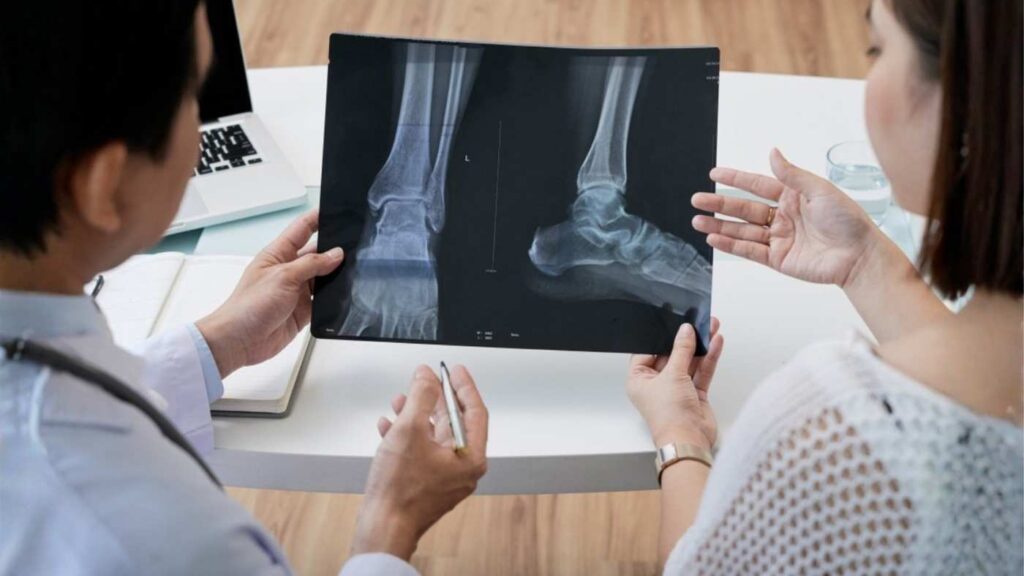
What should I expect during a rheumatism consultation is an important question for individuals seeking rheumatism care in Kerala, as understanding what happens during a rheumatism consultation can help reduce anxiety and improve preparedness. A rheumatism consultation is the first and most important step in identifying the cause of joint pain, stiffness, muscle discomfort, or inflammation-related symptoms. This visit focuses on detailed assessment, accurate diagnosis, and planning a suitable treatment approach. Rheumatism consultations are structured to gather complete medical information, evaluate physical symptoms, and guide patients toward effective long-term management.
A rheumatism consultation is not just a brief appointment. It is a comprehensive evaluation designed to understand how symptoms affect daily life and to create a personalized care plan based on individual needs.
1. Initial Discussion And Medical History Review
The consultation usually begins with a detailed discussion about the patient’s symptoms and medical background. This step helps the healthcare provider understand the nature and progression of rheumatic complaints.
During this stage, patients may be asked about:
When joint or muscle pain started
Whether symptoms are constant or occur in episodes
Morning stiffness and how long it lasts
Swelling, redness, or warmth around joints
Fatigue or weakness
Family history of joint or autoimmune conditions
Past injuries or surgeries
Existing medical conditions
Current medications or supplements
Providing accurate and complete information allows the consultation to be more effective and helps guide the next steps in evaluation.
2. Symptom Pattern Assessment
Understanding symptom patterns is a key part of a rheumatism consultation. Different rheumatic conditions show different symptom behaviors.
The healthcare provider may ask about:
Which joints are affected
Whether pain occurs on one side or both sides of the body
Activities that worsen or relieve symptoms
Changes in symptoms over time
Presence of stiffness after rest
Impact on daily activities such as walking, gripping objects, or climbing stairs
This information helps differentiate between inflammatory, degenerative, or soft tissue-related rheumatic conditions.
3. Physical Examination
A physical examination is an important part of the consultation process. The provider carefully examines joints, muscles, and surrounding tissues to identify visible or physical signs of rheumatism.
During the examination, the following may be checked:
Joint swelling or tenderness
Range of motion and flexibility
Muscle strength
Posture and walking pattern
Joint deformities or alignment changes
Skin or nail changes that may indicate underlying conditions
This hands-on assessment helps confirm symptom reports and provides valuable diagnostic clues.
4. Evaluation Of Functional Limitations
Rheumatism often affects daily functioning. During the consultation, patients may be asked about limitations in routine activities.
Common topics include:
Difficulty standing or walking
Problems with gripping or lifting objects
Challenges in household or work tasks
Sleep disturbances due to pain
Reduced physical endurance
Understanding functional limitations helps determine the severity of the condition and the need for supportive therapies.
5. Discussion About Lifestyle And Habits
Lifestyle factors play an important role in rheumatism management. During the consultation, healthcare providers often ask about daily habits that may influence joint health.
Topics may include:
Physical activity levels
Exercise routines
Occupational posture or repetitive movements
Dietary habits
Body weight management
Smoking or alcohol use
These discussions help identify modifiable factors that can improve treatment outcomes and symptom control.
6. Review Of Previous Medical Reports
If patients have previous test reports, imaging scans, or treatment records, these are usually reviewed during the consultation.
Common documents reviewed include:
Blood test results
X-rays or MRI scans
Previous diagnosis reports
Past treatment plans
Medication history
Reviewing existing reports avoids unnecessary repeat testing and helps build a clearer clinical picture.
7. Diagnostic Planning
After the initial evaluation and physical examination, the provider may recommend further diagnostic tests if needed. These tests help confirm the type and severity of rheumatism.
While not all patients require extensive testing, some may need additional investigations to clarify diagnosis or monitor disease activity. The consultation includes explanation of why certain tests are recommended and what information they provide.
Patients are usually informed about the purpose of tests and how results will guide treatment decisions.
8. Explanation Of Possible Conditions
Based on symptoms and examination findings, the healthcare provider may discuss possible rheumatic conditions that could be responsible for the symptoms.
This discussion may include:
Inflammatory joint conditions
Degenerative joint changes
Autoimmune-related rheumatic disorders
Soft tissue involvement
The goal is to help patients understand what may be causing their symptoms without making assumptions before final diagnostic confirmation.
9. Treatment Approach Discussion
One of the most important parts of the consultation is discussing the treatment approach. This includes explaining how symptoms can be managed and how long-term joint health can be supported.
The provider may discuss:
Medication options
Lifestyle adjustments
Physical therapy or rehabilitation plans
Joint protection strategies
Pain management techniques
Long-term disease monitoring
Patients are encouraged to ask questions and clarify doubts during this stage to ensure proper understanding of treatment expectations.
10. Setting Treatment Goals
Rheumatism treatment is goal-oriented. During the consultation, realistic treatment goals are discussed.
Common goals include:
Reducing pain and stiffness
Improving joint mobility
Preventing disease progression
Enhancing daily functioning
Improving overall quality of life
Setting clear goals helps align patient expectations with treatment outcomes.
11. Follow-Up Planning
A rheumatism consultation usually includes planning for follow-up visits. Follow-ups are important to monitor treatment response and make adjustments when necessary.
Patients are informed about:
Follow-up frequency
Monitoring schedules
Signs that require immediate attention
Long-term care planning
Regular follow-ups help maintain disease control and reduce the risk of flare-ups.
12. Patient Education And Self-Management Guidance
Education is a key component of rheumatism care. During the consultation, patients may receive guidance on self-management techniques.
This may include:
Joint-friendly exercises
Activity modification
Pain coping strategies
Posture awareness
Daily movement habits
These measures support medical treatment and encourage active participation in care.
13. Emotional And Psychological Support
Living with rheumatism can affect emotional well-being. The consultation often includes supportive communication to address concerns, fears, or stress related to long-term joint conditions.
Patients are encouraged to share worries about mobility, work life, or lifestyle changes. Addressing emotional health is important for overall treatment success.
14. What Patients Should Bring To A Rheumatism Consultation
To make the consultation more effective, patients are encouraged to prepare in advance.
Helpful items include:
Previous medical reports
Medication lists
Symptom notes
Questions about treatment
Comfortable clothing for physical examination
Proper preparation improves the quality of assessment and communication.
15. Importance Of Early Consultation
Early consultation allows earlier diagnosis and timely treatment. Addressing symptoms early can help prevent joint damage, reduce complications, and improve long-term outcomes.
Seeking care at the right time plays a significant role in preserving joint function and maintaining daily activity levels.
Final Overview
A rheumatism consultation is a detailed and patient-focused process that includes symptom assessment, physical examination, diagnostic planning, and treatment discussion. It provides a clear understanding of the condition and helps build a personalized care strategy.
For individuals planning rheumatism care in Kerala, attending a well-prepared consultation helps ensure accurate evaluation, effective treatment planning, and better long-term joint health outcomes.
Table Of Content
Rheumatism:
Rheumatism is a general term used to describe conditions that affect joints, muscles, connective tissues, and cause pain, stiffness, or inflammation. Rheumatism
Candidates:
Good candidates are individuals with ongoing joint or muscle pain, stiffness, swelling, or functional limitations that require medical management. Candidates
Cost:
The cost of rheumatism treatment varies depending on the specific condition, treatment approach, medications used, and follow-up care needs. Cost
Questions
You should ask about the exact type of rheumatic condition, recommended treatment options, expected benefits, possible side effects, duration of treatment, lifestyle adjustments needed, and follow-up care plan. Questions
Frequently Asked Questions
1. What happens during a rheumatism consultation?
A rheumatism consultation includes symptom discussion, medical history review, physical examination, and planning further evaluation or treatment.
2. How long does a rheumatism consultation usually take?
Most consultations take between 30 to 60 minutes depending on the complexity of symptoms and evaluation needs.
3. Should I bring previous medical reports to the consultation?
Yes, bringing past test results, scans, and prescriptions helps the doctor understand your medical background more clearly.
4. Will a physical examination be done during the consultation?
Yes, joint movement, swelling, muscle strength, and flexibility are usually assessed during the visit.
5. Are diagnostic tests recommended during the first consultation?
Some patients may be advised tests based on symptoms, while others may not need immediate investigations.
6. Can I discuss lifestyle habits during the consultation?
Yes, lifestyle factors such as activity level, daily routine, and physical habits are often discussed as part of treatment planning.
7. Will treatment options be explained during the consultation?
Yes, possible treatment approaches and management strategies are usually explained in detail.
8. Is follow-up planning part of a rheumatism consultation?
Yes, follow-up schedules and monitoring plans are commonly discussed during the first visit.
9. Can I ask questions about long-term management?
Yes, patients are encouraged to ask questions and clarify concerns related to long-term rheumatism care.
10. Is early consultation important for rheumatism management?
Yes, early evaluation supports timely treatment and better long-term joint health outcomes.