
What Is Rheumatism?
Rheumatism is a general term commonly used to describe a group of conditions that affect joints, muscles, bones, and connective tissues, often causing pain, stiffness, swelling, and reduced movement. For individuals seeking to understand rheumatic conditions in Kerala, it is important to know that rheumatism is not a single disease but a broad category that includes many different disorders with varying causes and symptoms. These conditions can affect people of all ages and may range from mild discomfort to long-term functional limitations.
Rheumatism is often associated with chronic inflammation or degeneration of joint structures. Understanding its meaning, types, symptoms, and management approaches helps individuals recognize early signs and seek appropriate care.
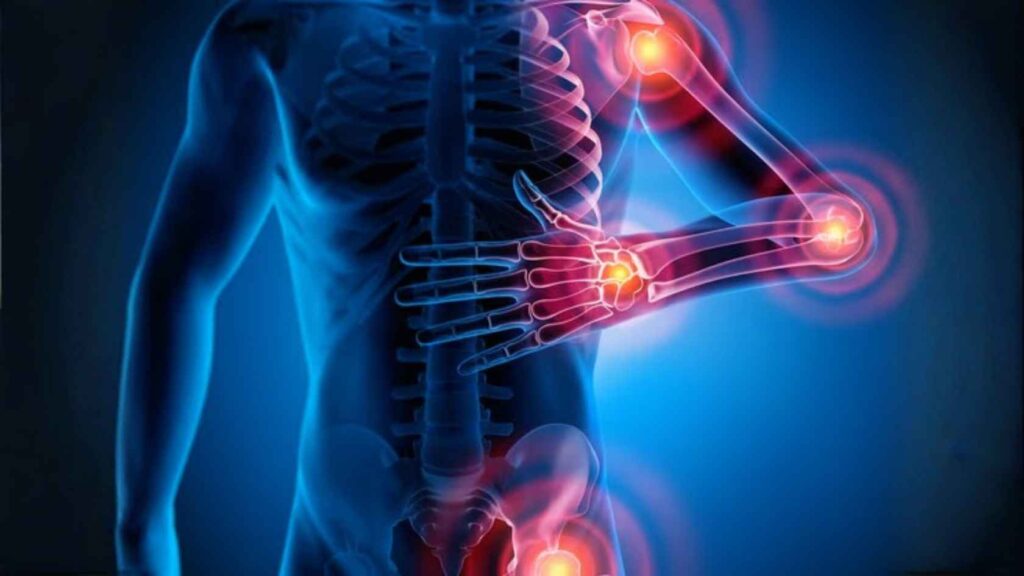
Meaning And Scope Of Rheumatism
The term rheumatism is traditionally used to describe musculoskeletal pain and disorders involving joints and surrounding tissues. In modern medical practice, rheumatism refers to a wide group of conditions known as rheumatic diseases.
These conditions can affect not only joints but also muscles, tendons, ligaments, and in some cases internal organs. Rheumatism includes both inflammatory and non-inflammatory disorders, which explains why symptoms and severity can vary significantly between individuals.
Common Types Of Rheumatism
Rheumatism includes several different conditions, each with unique characteristics. Some of the commonly recognized forms include:
Osteoarthritis
Osteoarthritis is a degenerative joint condition caused by gradual wear and tear of cartilage. It commonly affects knees, hips, spine, and hands. Symptoms usually develop slowly and worsen over time.
Rheumatoid Arthritis
Rheumatoid arthritis is an autoimmune condition in which the immune system attacks the joint lining. This leads to inflammation, swelling, pain, and potential joint damage. It often affects multiple joints symmetrically.
Gout
Gout is caused by the buildup of uric acid crystals in joints. It often results in sudden episodes of severe pain, redness, and swelling, commonly affecting the big toe but also other joints.
Ankylosing Spondylitis
This condition mainly affects the spine and sacroiliac joints. It can cause chronic back pain and stiffness, especially in the morning or after rest.
Soft Tissue Rheumatism
This includes conditions affecting muscles and connective tissues rather than joints, such as bursitis, tendinitis, and fibromyalgia. These conditions often cause localized pain and tenderness.
Causes Of Rheumatism
The causes of rheumatism vary depending on the specific condition involved. Some of the main contributing factors include:
Age-related joint degeneration
Autoimmune system activity
Genetic predisposition
Metabolic imbalances
Repetitive joint stress or injury
Infections or inflammatory responses
In many cases, multiple factors may contribute to the development of rheumatic conditions. Identifying the underlying cause helps guide appropriate management strategies.
Common Symptoms Of Rheumatism
Rheumatism can present with a wide range of symptoms. The most common symptoms include:
Joint Pain
Persistent or recurring joint pain is a hallmark feature of many rheumatic conditions. Pain intensity may vary from mild discomfort to severe limitation of movement.
Stiffness
Joint stiffness, especially after periods of rest or in the morning, is commonly reported. Stiffness often improves gradually with gentle movement.
Swelling
Inflammation in the joints may cause visible swelling and a feeling of tightness or pressure around the affected area.
Reduced Mobility
Limited range of motion may occur due to pain, stiffness, or joint damage. This can affect daily activities such as walking, bending, and gripping objects.
Fatigue
Some rheumatic conditions cause general tiredness and low energy levels due to ongoing inflammation or immune system activity.
How Rheumatism Is Diagnosed
Diagnosis of rheumatism involves a combination of clinical evaluation and diagnostic testing. The process usually includes:
Medical History Review
Doctors assess symptom duration, pain patterns, stiffness timing, and any family history of rheumatic diseases.
Physical Examination
Joint movement, swelling, tenderness, and functional limitations are examined to understand disease involvement.
Blood Tests
Blood tests may help detect inflammation markers or immune-related activity associated with certain rheumatic conditions.
Imaging Studies
X-rays, ultrasound, or MRI scans are used to visualize joint structures and identify cartilage damage, bone changes, or inflammation.
Accurate diagnosis is essential because treatment strategies differ based on the type of rheumatism present.
Treatment Approach For Rheumatism
Rheumatism management focuses on controlling symptoms, reducing inflammation, protecting joint function, and improving quality of life. Treatment plans are usually individualized based on disease type and severity.
Medication Management
Medications are often used to control pain, reduce inflammation, and manage immune system activity in inflammatory conditions. Regular monitoring ensures appropriate dosing and safety.
Physical Therapy
Exercise and movement therapy help maintain joint flexibility, strengthen muscles, and improve overall mobility. Physical therapy also supports posture correction and joint protection techniques.
Lifestyle Modifications
Healthy lifestyle habits such as maintaining a balanced diet, managing body weight, staying physically active, and avoiding excessive joint strain support long-term symptom control.
Joint Protection Strategies
Using proper body mechanics, supportive footwear, and ergonomic techniques reduces stress on affected joints and helps preserve joint health.
Long-Term Monitoring
Rheumatism often requires ongoing monitoring to track disease activity and adjust treatment plans when necessary. Regular follow-up supports consistent symptom management.
Difference Between Rheumatism And Arthritis
Although rheumatism and arthritis are often used interchangeably, they are not exactly the same. Arthritis refers specifically to inflammation of joints, while rheumatism is a broader term that includes joint disorders as well as muscle and connective tissue conditions.
All types of arthritis fall under the category of rheumatic diseases, but not all rheumatic conditions are forms of arthritis. Understanding this distinction helps clarify diagnosis and treatment discussions.
Impact Of Rheumatism On Daily Life
Rheumatism can affect daily functioning depending on severity and joint involvement. Some individuals experience mild discomfort with minimal lifestyle impact, while others may face challenges with mobility and routine tasks.
Common daily life effects may include:
Difficulty with prolonged walking or standing
Reduced grip strength
Trouble with bending or climbing stairs
Increased fatigue during physical activity
Proper management helps minimize these challenges and supports independence.
Importance Of Early Recognition
Early identification of rheumatism allows timely treatment and better long-term outcomes. Recognizing early symptoms such as persistent joint pain, morning stiffness, or unexplained swelling encourages prompt evaluation.
Early intervention can help slow disease progression, reduce complications, and preserve joint function.
Living With Rheumatism
Living with rheumatism involves a combination of medical care, lifestyle adaptation, and self-management strategies. Maintaining regular physical activity within comfort limits, following treatment plans, and adopting joint-friendly habits support better long-term results.
Education about the condition also plays a major role in improving self-care and treatment adherence. Understanding symptom patterns and triggers helps individuals respond effectively to changes in disease activity.
Summary
Rheumatism is a broad term that includes many joint, muscle, and connective tissue conditions that cause pain, stiffness, and reduced mobility. It can affect people of all ages and varies widely in severity and presentation. With proper diagnosis, individualized treatment, and consistent management, many individuals are able to control symptoms and maintain an active lifestyle.
For people seeking information and care related to rheumatism in Kerala, understanding the nature of this condition supports informed decisions and better long-term joint health planning.
Table Of Content
Candidates:
Good candidates are individuals with ongoing joint or muscle pain, stiffness, swelling, or functional limitations that require medical management. Candidates
Cost:
The cost of rheumatism treatment varies depending on the specific condition, treatment approach, medications used, and follow-up care needs. Cost
Consultation:
During the consultation, the doctor reviews symptoms, performs physical examination, orders relevant tests if needed, and plans an appropriate treatment approach. Consultation
Questions
You should ask about the exact type of rheumatic condition, recommended treatment options, expected benefits, possible side effects, duration of treatment, lifestyle adjustments needed, and follow-up care plan. Questions
Frequently Asked Questions
1. What is rheumatism?
Rheumatism is a general term used to describe conditions that affect joints, muscles, bones, and connective tissues, causing pain and stiffness.
2. Is rheumatism a single disease?
No, rheumatism is not a single disease. It includes many different musculoskeletal and inflammatory conditions.
3. What are the common symptoms of rheumatism?
Common symptoms include joint pain, stiffness, swelling, reduced movement, and fatigue.
4. What types of conditions are included under rheumatism?
Rheumatism includes conditions such as osteoarthritis, rheumatoid arthritis, gout, ankylosing spondylitis, and soft tissue disorders.
5. How is rheumatism diagnosed?
Rheumatism is diagnosed through medical history review, physical examination, blood tests, and imaging studies.
6. Can rheumatism affect people of all ages?
Yes, rheumatism can affect individuals of all age groups depending on the specific condition.
7. What causes rheumatism?
Causes may include joint wear and tear, autoimmune activity, genetic factors, metabolic issues, and inflammation.
8. Is rheumatism the same as arthritis?
No, arthritis is one type of rheumatic condition, but rheumatism includes a wider group of joint and muscle disorders.
9. How is rheumatism managed?
Management usually includes medication, physical therapy, lifestyle changes, and long-term monitoring.
10. Why is early diagnosis important for rheumatism?
Early diagnosis helps begin timely treatment, reduce complications, and protect long-term joint function.