
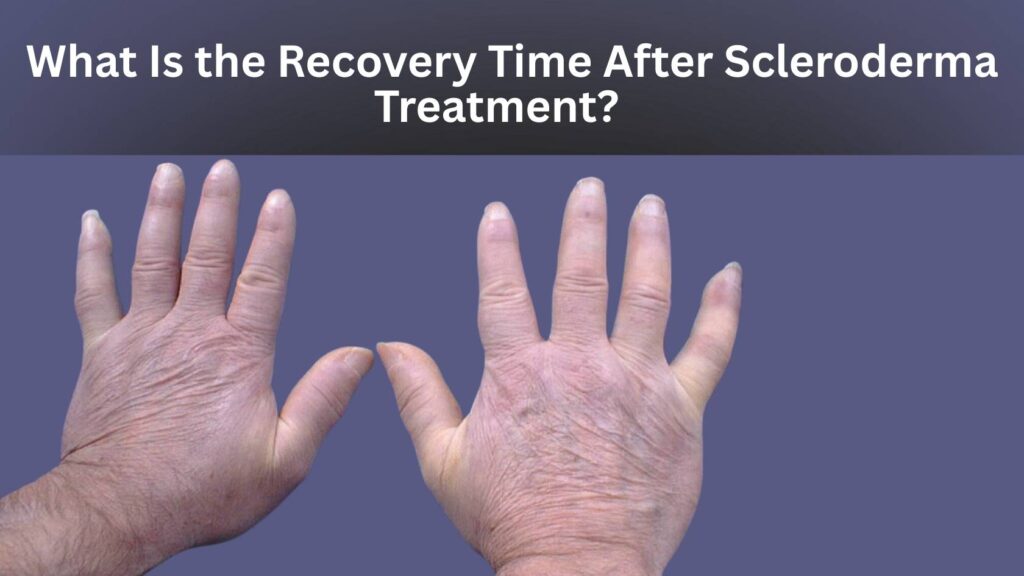
What Is the Recovery Time After Scleroderma Treatment?
Recovery time after scleroderma treatment varies widely depending on the type of scleroderma, severity of symptoms, organs involved, and the type of treatment received. Unlike surgical procedures that have a fixed recovery timeline, scleroderma treatment usually focuses on long-term management rather than complete recovery. Because scleroderma is a chronic autoimmune condition, improvement often happens gradually over months rather than days.
Understanding realistic recovery expectations helps patients prepare mentally and physically for long-term care.
Understanding Recovery in Scleroderma Treatment
Scleroderma treatment does not typically involve a single procedure with a defined healing period. Instead, recovery refers to:
Improvement in symptoms
Stabilization of disease progression
Reduction in inflammation
Improved circulation
Better organ function stability
Enhanced mobility and daily comfort
The timeline depends on whether the condition is localized or systemic and which body systems are affected.
Recovery Time for Localized Scleroderma
Localized scleroderma mainly affects the skin and sometimes underlying tissues. Recovery expectations include:
Symptom stabilization within a few months
Gradual softening of skin patches
Improved flexibility with physical therapy
Reduction in inflammation over time
Skin changes may take several months to improve, and in some cases, pigment changes may persist even after inflammation decreases.
Recovery Time for Systemic Scleroderma
Systemic scleroderma affects multiple body systems. Recovery depends on organ involvement.
Skin Symptoms
Improvement in skin tightness may take:
6 to 24 months depending on disease activity
Gradual reduction in thickening in stable cases
Skin progression often slows before visible improvement occurs.
Raynaud’s Phenomenon
Circulation symptoms may improve within:
A few weeks after starting appropriate medication
Faster if lifestyle adjustments are strictly followed
However, Raynaud’s may require long-term management.
Joint Stiffness and Muscle Weakness
Mobility improvements may begin within:
4 to 8 weeks of consistent physical therapy
Continued gradual improvement over several months
Regular movement significantly influences recovery speed.
Lung Involvement
If interstitial lung disease is present:
Stabilization may be seen within 3 to 6 months of treatment
Improvement depends on severity and early detection
Lung recovery focuses more on preventing progression rather than reversing damage.
Digestive Symptoms
Acid reflux and digestive discomfort may improve within:
2 to 6 weeks after medication adjustments
Faster with dietary changes
Long-term symptom control may require ongoing care.
Kidney Involvement
Kidney-related recovery depends on early intervention. Blood pressure control may stabilize within days to weeks, but ongoing monitoring is essential.
Factors That Affect Recovery Time
Several factors influence recovery:
1. Early Diagnosis
Early detection often leads to faster stabilization and fewer complications.
2. Type of Scleroderma
Diffuse systemic forms may require longer stabilization compared to limited forms.
3. Organ Involvement
Internal organ damage may take longer to stabilize and may not fully reverse.
4. Treatment Consistency
Following medication schedules and attending follow-ups improves recovery speed.
5. Lifestyle Adjustments
Proper skin care, exercise, circulation protection, and diet improve outcomes.
6. Individual Immune Response
Every patient responds differently to treatment.
What Recovery Does NOT Mean
Recovery in scleroderma treatment does not always mean:
Complete disappearance of symptoms
Full reversal of skin thickening
Elimination of autoimmune activity
Instead, recovery usually means:
Disease stabilization
Reduced symptom severity
Fewer flare-ups
Improved quality of life
Short-Term vs Long-Term Recovery
Short-Term Recovery (First 1–3 Months)
Symptom control begins
Medication adjustments occur
Circulation may improve
Reflux symptoms may decrease
Mid-Term Recovery (3–12 Months)
Skin progression slows
Lung function stabilizes
Mobility improves with therapy
Flare frequency reduces
Long-Term Recovery (1–3 Years)
Disease stabilization
Reduced inflammatory activity
Improved daily functioning
Better overall control
Long-term care remains important even when symptoms improve.
Role of Monitoring in Recovery
Monitoring directly impacts recovery outcomes. Regular follow-ups may include:
Blood pressure checks
Lung function testing
Kidney monitoring
Heart assessments
Blood tests for medication safety
Early detection of changes helps prevent setbacks and improves stability.
How to Support Faster Recovery
Patients can actively support recovery by:
Taking medications consistently
Protecting hands from cold exposure
Following physical therapy routines
Maintaining balanced nutrition
Avoiding smoking
Managing stress
Reporting new symptoms early
Active participation significantly influences outcomes.
When Recovery May Take Longer
Recovery may be prolonged if:
Diagnosis was delayed
Organ damage is advanced
Treatment adherence is inconsistent
Severe inflammatory activity is present
Even in these cases, stabilization is often achievable with structured care.
Emotional Recovery
Living with scleroderma can affect emotional health. Recovery includes mental adjustment to long-term management.
Support systems, patient education, and realistic goal setting improve emotional resilience.
When to Contact a Doctor During Recovery
Immediate medical attention is needed if:
Sudden severe breathlessness occurs
Blood pressure rises sharply
Chest pain develops
New finger ulcers appear
Swelling increases rapidly
Prompt intervention prevents complications.
Summary
Recovery time after scleroderma treatment varies depending on disease type, severity, organ involvement, and individual response to therapy. While localized forms may show improvement within months, systemic scleroderma often requires long-term management with gradual stabilization over 6 to 24 months or longer.
Recovery in scleroderma treatment focuses on symptom control, disease stabilization, and prevention of complications rather than complete cure. With early diagnosis, consistent treatment, structured monitoring, and lifestyle support, many individuals achieve improved quality of life and better long-term health outcomes.
Frequently Asked Questions
1. How long does recovery take after scleroderma treatment?
Recovery time varies depending on the type and severity of scleroderma. Symptom stabilization may take several months, while long-term management may continue for years.
2. Does scleroderma treatment completely cure the condition?
No, scleroderma treatment does not cure the condition. It focuses on controlling symptoms, slowing progression, and protecting internal organs.
3. When will I start noticing improvement after starting treatment?
Some symptoms such as circulation issues or reflux may improve within weeks, while skin and organ stabilization may take several months.
4. Can skin thickening improve after treatment?
Skin tightness may gradually improve or stabilize over 6 to 24 months, depending on disease activity and response to treatment.
5. How long does it take for lung symptoms to stabilize?
If lung involvement is present, stabilization may take 3 to 6 months or longer, depending on severity and early detection.
6. Is recovery faster if scleroderma is diagnosed early?
Yes, early diagnosis and prompt treatment often lead to better symptom control and reduced complications.
7. Will I need long-term monitoring during recovery?
Yes, regular monitoring of blood pressure, lung function, kidney function, and heart health is essential for safe long-term management.
8. Can lifestyle changes speed up recovery?
Healthy habits such as gentle exercise, proper skin care, stress management, and avoiding smoking can support better treatment outcomes.
9. What factors can delay recovery?
Delayed diagnosis, severe organ involvement, inconsistent treatment, or advanced disease progression may slow recovery.
10. When should I seek urgent medical care during recovery?
Immediate medical attention is needed for sudden breathlessness, severe high blood pressure, chest pain, rapid swelling, or new painful finger ulcers.

Dr. Binoy J. Paul
MD, PhD, DNB, FRCP (Edin.)
Senior Consultant Rheumatologist