
What Results Can I Expect After Arthritis Treatment?
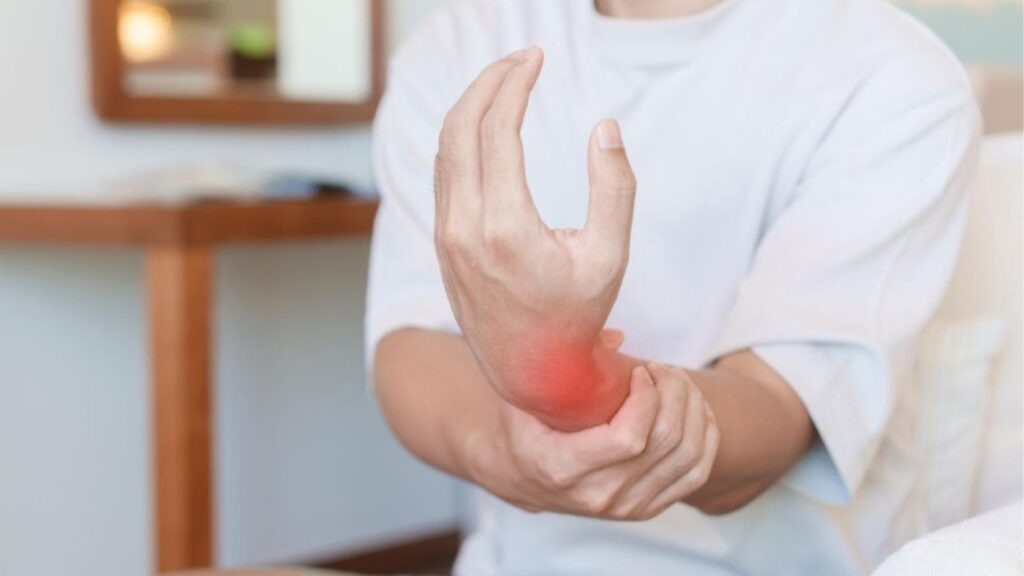
Understanding what results can be expected after arthritis treatment helps individuals set realistic goals and remain engaged in long-term care. For people undergoing arthritis treatment in Kerala, treatment outcomes usually focus on reducing pain, improving joint movement, slowing disease progression, and enhancing overall quality of life. The results of arthritis treatment vary depending on the type of arthritis, severity of symptoms, treatment method, and individual response to therapy.
Arthritis is often a long-term condition, and results should be viewed as gradual improvements rather than instant changes. With consistent care and lifestyle adjustments, many individuals experience meaningful symptom relief and better daily functioning.
1. Reduction in Joint Pain and Discomfort
One of the most noticeable results after arthritis treatment is a decrease in joint pain. Pain relief may occur gradually as inflammation is controlled and joint stress is reduced.
Some individuals experience steady improvement over weeks or months, while others notice relief in stages. The degree of pain reduction varies based on joint involvement and the underlying cause of arthritis. While complete pain elimination may not always be possible, many people achieve significant symptom control.
2. Improvement in Joint Mobility and Flexibility
Another important outcome of arthritis treatment is improved joint movement. As swelling and stiffness decrease, joints often become easier to move during daily activities.
Better flexibility supports improved walking, bending, gripping, and overall physical function. Physical therapy and regular movement play a key role in restoring joint range of motion and maintaining long-term mobility.
Over time, improved joint flexibility can reduce dependence on assistance for routine tasks.
3. Decrease in Inflammation and Swelling
Inflammation control is a central goal of arthritis treatment. Successful treatment often results in reduced joint swelling and decreased warmth or tenderness around affected areas.
Lower inflammation levels help protect joint structures from further damage and contribute to overall symptom improvement. Reduced swelling also allows joints to move more comfortably and with less restriction.
Inflammation control supports both short-term comfort and long-term joint preservation.
4. Better Physical Function and Daily Activity Performance
Many individuals notice improved ability to perform daily activities after arthritis treatment. Tasks such as climbing stairs, getting up from chairs, carrying objects, and maintaining balance may become easier.
Improved physical function enhances independence and supports participation in work, household responsibilities, and recreational activities. Treatment results often include better endurance and reduced fatigue during movement.
These improvements develop gradually and depend on consistent therapy and activity modification.
5. Slowing of Disease Progression
For certain types of arthritis, especially inflammatory forms, treatment aims to slow disease progression. Effective management can help limit joint damage and preserve joint structure over time.
Slowing progression reduces the risk of long-term complications and helps maintain function. Early diagnosis and timely treatment often lead to better long-term outcomes.
Disease control is a key indicator of successful arthritis treatment results.
6. Improved Quality of Life
Arthritis treatment results often extend beyond physical improvements. Many individuals report better overall quality of life as pain becomes manageable and daily activities become easier.
Better sleep, improved mood, and reduced stress are common indirect benefits of symptom control. Regaining the ability to participate in social and physical activities contributes to emotional well-being.
Quality-of-life improvements reflect the combined impact of symptom relief, functional improvement, and lifestyle adaptation.
7. Enhanced Joint Stability and Strength
Strengthening surrounding muscles is an important part of arthritis treatment. Improved muscle strength helps stabilize joints and reduce mechanical stress.
After treatment, many individuals experience better joint support and improved balance. Stronger muscles also reduce the risk of injury and improve overall movement efficiency.
Joint stability contributes to long-term functional outcomes and supports ongoing activity participation.
8. Reduced Frequency of Symptom Flare-Ups
With proper management, many individuals experience fewer and less severe arthritis flare-ups. Although flare-ups may still occur, their frequency and intensity often decrease over time.
Better symptom control allows individuals to maintain more consistent activity levels and reduces the need for frequent treatment adjustments. Learning how to manage triggers also supports long-term symptom stability.
Reduced flare-up frequency is an important indicator of effective treatment.
9. Long-Term Joint Protection
Arthritis treatment aims to protect joint structures and prevent further damage. Long-term joint protection supports sustained mobility and reduces the risk of deformities or functional loss.
Protective strategies include medication management, activity modification, joint support techniques, and lifestyle changes. These approaches work together to preserve joint health.
Long-term joint protection contributes to better outcomes over time.
10. Realistic Expectations After Arthritis Treatment
It is important to maintain realistic expectations regarding treatment results. Arthritis treatment often focuses on management rather than complete cure, especially for chronic forms of the condition.
Results may vary between individuals, and progress may occur gradually. Some people experience significant improvement, while others achieve moderate symptom control.
Setting achievable goals and monitoring progress supports long-term engagement with treatment.
Final Thoughts on Arthritis Treatment Results
The results of arthritis treatment typically include pain reduction, improved mobility, better daily function, and enhanced quality of life. While outcomes vary, consistent treatment, physical activity, and lifestyle adjustments play a key role in achieving positive results.
For individuals continuing arthritis treatment in Kerala, understanding expected outcomes helps support informed decision-making and long-term joint care. With ongoing management and follow-up, many people are able to maintain active, comfortable, and functional lifestyles despite arthritis.
Frequently Asked Questions
1. What are the main results of arthritis treatment?
The main results include reduced joint pain, improved mobility, better inflammation control, and improved daily functioning.
2. How soon can I see results after arthritis treatment?
Results usually appear gradually over weeks or months, depending on the type of arthritis and treatment approach.
3. Will arthritis treatment completely remove pain?
Complete pain removal is not always possible, but many people experience significant symptom relief.
4. Does arthritis treatment improve joint movement?
Yes, treatment often improves joint flexibility and range of motion by reducing stiffness and inflammation.
5. Can arthritis treatment slow disease progression?
In many cases, especially inflammatory arthritis, treatment can help slow disease progression and protect joints.
6. Will daily activities become easier after treatment?
Many individuals find daily tasks such as walking, bending, and lifting easier after treatment.
7. Does arthritis treatment reduce flare-ups?
Proper treatment often helps reduce the frequency and severity of arthritis flare-ups.
8. Can quality of life improve after arthritis treatment?
Yes, improved symptom control and better mobility often lead to a better overall quality of life.
9. Are treatment results the same for everyone?
No, results vary depending on arthritis type, severity, and individual response to treatment.
10. Is arthritis treatment focused on cure or long-term management?
Arthritis treatment mainly focuses on long-term management, symptom control, and maintaining joint function.
TABLE OF CONTENT
Introduction:Arthritis is a common condition that affects the joints, leading to pain, stiffness, swelling, and reduced mobility, and early treatment plays a vital role in controlling symptoms, protecting joint health, and maintaining quality of life. Learn more
Candidate: Individuals with persistent joint pain, stiffness, swelling, or movement difficulty that interferes with routine activities are good candidates for arthritis treatment. Learn more
Cost: The cost of arthritis treatment varies based on the type of arthritis, severity of symptoms, and treatment approach required. Learn more
Consultation: During an arthritis consultation, the doctor reviews symptoms, examines the joints, and may suggest blood tests or imaging to understand the cause and severity. Learn more
Questions: Before starting arthritis treatment, ask about the diagnosis, treatment options, expected benefits, possible side effects, and long-term management. Learn more
Risks: The risks of arthritis treatment can include medication side effects, infections from injections, or variable response depending on the individual. Learn more
Preparation: To prepare for arthritis treatment, keep a record of symptoms, list current medications, and follow any instructions given before tests or procedures. Learn more
Steps: Arthritis treatment generally involves diagnosis, identifying the type and severity, initiating therapy, monitoring response, and adjusting treatment as needed. Learn more
Recovery: Recovery may include gradual pain reduction, improved joint movement, physical therapy, and ongoing symptom monitoring. Learn more
Results: Expected results often include better pain control, improved joint function, reduced stiffness, and enhanced daily activity levels. Learn more
Terms: Key terms include inflammation, autoimmune, osteoarthritis, rheumatoid arthritis, disease-modifying drugs, flare-ups, and remission. Learn more
Choose the right doctor: Choosing the right doctor involves evaluating experience with arthritis care, treatment approach, patient communication, and access to long-term follow-up. Learn more