
What should I expect during arthritis treatment recovery is an important consideration, as understanding what to expect during arthritis treatment recovery helps individuals prepare mentally and physically for the healing and adjustment process. For people undergoing arthritis treatment in Kerala, recovery is usually gradual and focuses on reducing symptoms, improving joint function, and supporting long-term joint health. Arthritis recovery does not follow a fixed timeline, as it varies depending on the type of arthritis, severity of joint involvement, treatment approach, and individual response to care.
Arthritis is often a long-term condition, and recovery should be viewed as a phase of ongoing management rather than a single endpoint. Knowing what typically happens during recovery can reduce uncertainty and support better participation in treatment plans.
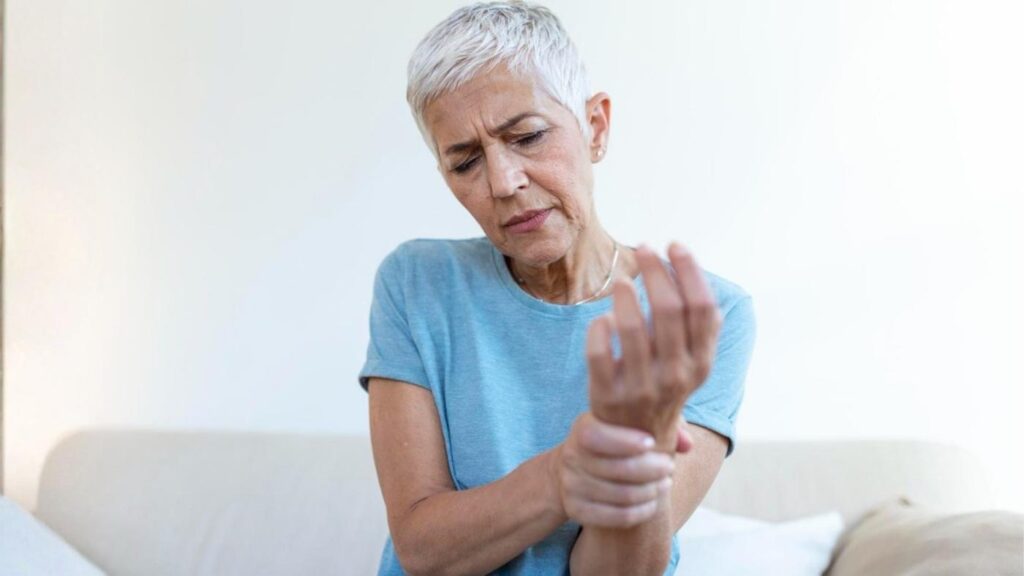
1. Early Phase of Arthritis Treatment Recovery
The early phase of recovery begins soon after treatment is initiated. This phase focuses on symptom stabilization and understanding how the body responds to the chosen treatment plan.
During this period, individuals may notice gradual changes rather than immediate relief. Pain, stiffness, or swelling may start to decrease, but symptoms can fluctuate, especially in inflammatory forms of arthritis. Fatigue is also common as the body adapts to medications or therapy routines.
It is normal to experience good days and difficult days during this stage. Recovery is not always linear, and short-term symptom variations do not necessarily indicate treatment failure.
2. Pain and Inflammation Changes During Recovery
One of the main goals of arthritis treatment recovery is controlling pain and inflammation. Over time, many individuals notice that joint pain becomes more manageable and swelling reduces.
Pain relief may occur gradually rather than suddenly. Some people experience steady improvement, while others notice symptom relief in phases. Inflammatory flare-ups can still occur, especially in chronic arthritis, but their frequency or intensity may reduce with proper management.
Learning to recognize early signs of flare-ups helps individuals respond promptly and avoid prolonged discomfort.
3. Improvement in Joint Stiffness and Mobility
Joint stiffness, particularly in the morning or after periods of inactivity, is a common arthritis symptom. During recovery, stiffness often improves as inflammation decreases and joint movement becomes more consistent.
Gentle exercises and physical therapy play a key role in restoring flexibility. Over time, joints may feel less rigid, and daily movements such as walking, bending, or gripping objects may become easier.
Progress in mobility is usually gradual and depends on regular movement, adherence to therapy recommendations, and avoiding prolonged inactivity.
4. Role of Physical Therapy in Recovery
Physical therapy is often an essential part of arthritis treatment recovery. Therapy focuses on improving joint range of motion, strengthening muscles that support affected joints, and enhancing overall functional ability.
During recovery, therapy sessions may include stretching, strengthening exercises, posture correction, and low-impact activities. These exercises are usually adjusted based on pain levels and joint tolerance.
Consistency is important, but therapy should always be performed within comfortable limits. Overexertion can slow recovery, while gentle, regular movement supports long-term joint health.
5. Adjusting to Medications During Recovery
Medication adjustment is a common aspect of arthritis treatment recovery. Some medications may take time to show full benefits, and dosage changes may be required based on response and tolerance.
During recovery, individuals may notice changes such as reduced pain, improved movement, or fewer flare-ups as medications become effective. Mild side effects can occur during the adjustment period, and these should be monitored and discussed during follow-up visits.
Medication management is typically reviewed regularly to ensure ongoing safety and effectiveness.
6. Daily Activity and Lifestyle Changes
Recovery from arthritis treatment often involves adapting daily routines to protect joints and conserve energy. Simple lifestyle changes can significantly influence recovery outcomes.
Activities may need to be paced to avoid excessive joint strain. Learning how to balance activity and rest helps prevent symptom flare-ups while maintaining mobility. Ergonomic adjustments at home or work can reduce joint stress during routine tasks.
Weight management, balanced nutrition, and adequate hydration also support joint health and overall recovery.
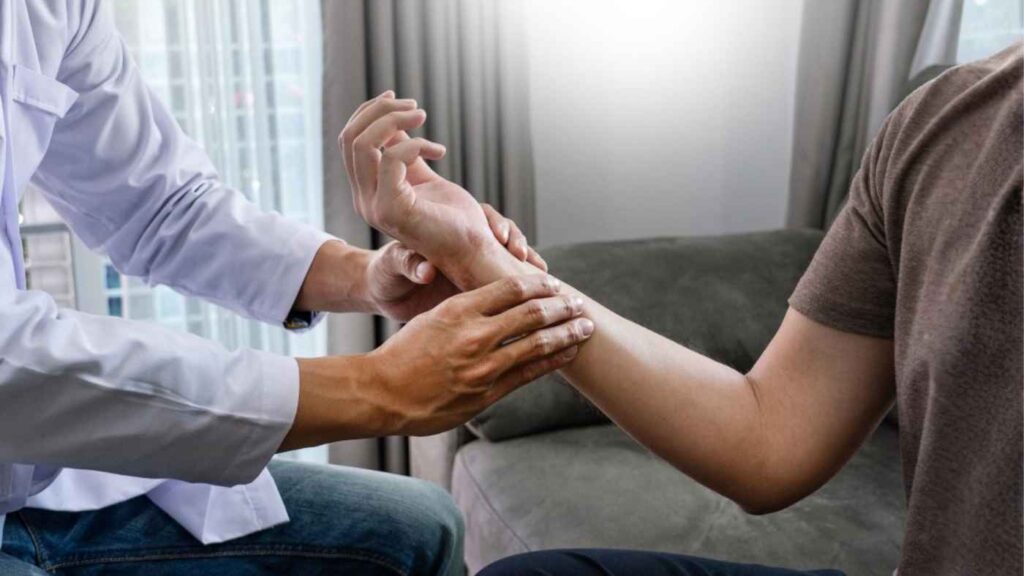
7. Emotional and Mental Well-Being During Recovery
Arthritis recovery affects more than just physical health. Emotional and mental well-being play an important role in how individuals experience recovery.
It is common to feel frustration, anxiety, or uncertainty, especially during periods of slow improvement. Setting realistic expectations and focusing on gradual progress can help maintain motivation.
Support from family, healthcare providers, or peer groups can provide reassurance and encourage adherence to treatment plans.
8. Managing Flare-Ups During Recovery
Even with effective treatment, occasional flare-ups may occur during arthritis recovery. These episodes may involve increased pain, swelling, or stiffness.
Learning how to manage flare-ups is an important part of recovery. Temporary activity modification, rest, and symptom-monitoring strategies are commonly recommended during these periods.
Understanding that flare-ups are part of the recovery journey helps reduce anxiety and prevents unnecessary disruption to long-term treatment plans.
9. Importance of Follow-Up Care
Regular follow-up is essential during arthritis treatment recovery. Follow-up visits allow healthcare providers to monitor progress, assess symptom changes, and adjust treatment when needed.
During these visits, individuals can discuss pain levels, mobility concerns, medication effects, and daily challenges. Open communication supports timely adjustments and helps optimize recovery outcomes.
Follow-up care also helps identify potential complications early and supports consistent symptom control.
10. Long-Term Expectations After Arthritis Treatment
Arthritis recovery is often a long-term process rather than a complete resolution of symptoms. Many individuals achieve meaningful improvement in pain control, mobility, and quality of life with consistent treatment and self-care.
Long-term recovery focuses on maintaining joint function, preventing progression, and managing symptoms effectively. With proper care, many people are able to continue daily activities with fewer limitations and greater confidence.
For individuals continuing arthritis treatment in Kerala, understanding recovery expectations supports informed decision-making and realistic goal setting, helping them stay engaged in their long-term joint care plan.
Final Thoughts on Arthritis Treatment Recovery
Recovery from arthritis treatment is a gradual, individualized journey that involves symptom control, functional improvement, and ongoing management. Knowing what to expect during recovery helps individuals remain patient, proactive, and confident throughout the process.
By combining medical care, physical activity, lifestyle adjustments, and regular follow-up, arthritis recovery can lead to improved comfort, better mobility, and sustained joint health over time.
Frequently Asked Questions
1. What does recovery from arthritis treatment involve?
Recovery involves gradual symptom control, improved joint function, and long-term management rather than immediate symptom resolution.
2. How long does arthritis treatment recovery usually take?
Recovery timelines vary depending on the type of arthritis, severity, and treatment plan, with gradual improvements over time.
3. Is pain normal during arthritis treatment recovery?
Mild or fluctuating pain can occur during recovery as the body adjusts to treatment.
4. Will joint stiffness improve during recovery?
Joint stiffness often improves gradually as inflammation reduces and regular movement is maintained.
5. What role does exercise play in arthritis recovery?
Exercise helps improve joint mobility, strengthen muscles, and support long-term joint health.
6. Can flare-ups occur during arthritis treatment recovery?
Occasional flare-ups may occur but are often managed effectively with proper treatment adjustments.
7. Do medications change during arthritis recovery?
Medication adjustments are common and depend on symptom response and tolerance.
8. Why are follow-up visits important during recovery?
Follow-up visits help monitor progress, adjust treatment, and address concerns early.
9. Can normal activities be resumed during arthritis recovery?
Many individuals gradually return to daily activities with appropriate joint protection.
10. Is arthritis recovery focused on cure or long-term management?
Arthritis recovery focuses on long-term management, symptom control, and maintaining quality of life.
TABLE OF CONTENT
Introduction:Arthritis is a common condition that affects the joints, leading to pain, stiffness, swelling, and reduced mobility, and early treatment plays a vital role in controlling symptoms, protecting joint health, and maintaining quality of life. Learn more
Candidate: Individuals with persistent joint pain, stiffness, swelling, or movement difficulty that interferes with routine activities are good candidates for arthritis treatment. Learn more
Cost: The cost of arthritis treatment varies based on the type of arthritis, severity of symptoms, and treatment approach required. Learn more
Consultation: During an arthritis consultation, the doctor reviews symptoms, examines the joints, and may suggest blood tests or imaging to understand the cause and severity. Learn more
Questions: Before starting arthritis treatment, ask about the diagnosis, treatment options, expected benefits, possible side effects, and long-term management. Learn more
Risks: The risks of arthritis treatment can include medication side effects, infections from injections, or variable response depending on the individual. Learn more
Preparation: To prepare for arthritis treatment, keep a record of symptoms, list current medications, and follow any instructions given before tests or procedures. Learn more
Steps: Arthritis treatment generally involves diagnosis, identifying the type and severity, initiating therapy, monitoring response, and adjusting treatment as needed. Learn more
Results: Expected results often include better pain control, improved joint function, reduced stiffness, and enhanced daily activity levels. Learn more
Terms: Key terms include inflammation, autoimmune, osteoarthritis, rheumatoid arthritis, disease-modifying drugs, flare-ups, and remission. Learn more
Choose the right doctor: Choosing the right doctor involves evaluating experience with arthritis care, treatment approach, patient communication, and access to long-term follow-up. Learn more