
High Uric Acid Treatment: What You Need to Know
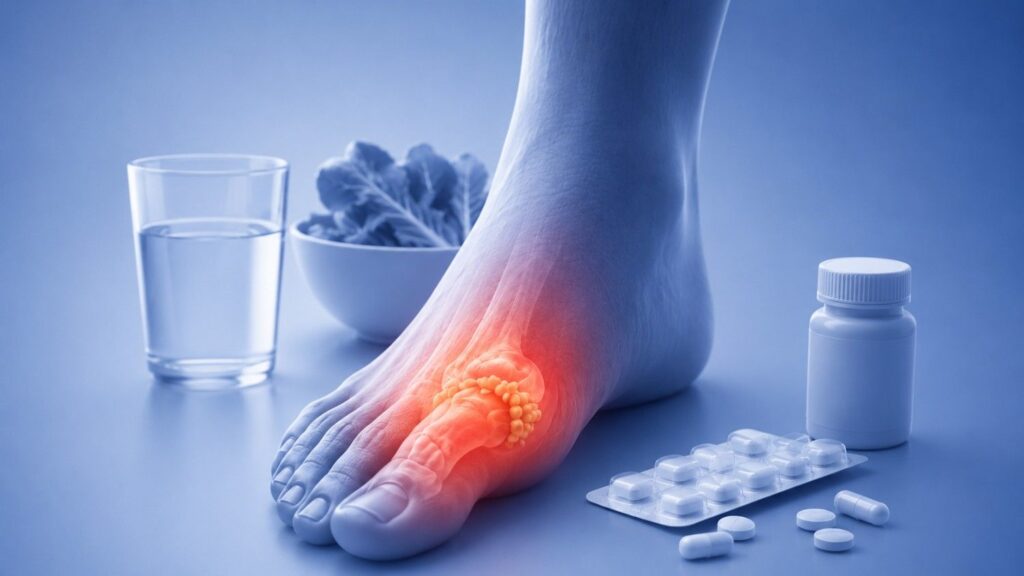
High uric acid, medically known as hyperuricemia, occurs when uric acid accumulates in the bloodstream faster than the body can eliminate it. Over time, elevated uric acid levels may lead to gout, kidney stones, joint inflammation, and other health complications.
Fortunately, several effective approaches are available for managing this condition. The right treatment for high uric acid depends on the severity of the condition, underlying causes, symptoms, and overall health status of the patient.
Table of Contents
- When Does High Uric Acid Require Treatment?
- Lifestyle Changes That Help Lower Uric Acid
- Dietary Treatment for High Uric Acid
- Medications Used to Treat High Uric Acid
- Can High Uric Acid Be Controlled Permanently?
- When to Consult a Doctor
- Frequently Asked Questions About High Uric Acid Treatment
When Does High Uric Acid Require Treatment?
Not everyone with elevated uric acid levels requires medication. However, treatment for high uric acid is usually recommended when symptoms or complications develop.
Treatment may be necessary if you have:
- Recurrent gout attacks
- Joint pain and swelling
- Kidney stones
- Chronic kidney disease
- Persistently high uric acid levels
Early treatment for high uric acid can help prevent long-term complications and improve quality of life.
Medications Used to Treat High Uric Acid
When lifestyle changes alone are not enough, medication may be prescribed as part of treatment for high uric acid.
Uric Acid-Lowering Medications
Doctors may recommend medications such as:
- Allopurinol
- Febuxostat
- Uricosuric agents
These medications help lower uric acid levels and reduce the risk of gout attacks.
Medications for Gout Flare-Ups
During acute gout attacks, treatment may include:
- NSAIDs
- Colchicine
- Corticosteroids
These medications relieve pain and inflammation while long-term treatment for high uric acid addresses the underlying cause.
Can High Uric Acid Be Controlled Permanently?
In many cases, yes. Consistent treatment for high uric acid can successfully control uric acid levels and prevent complications.
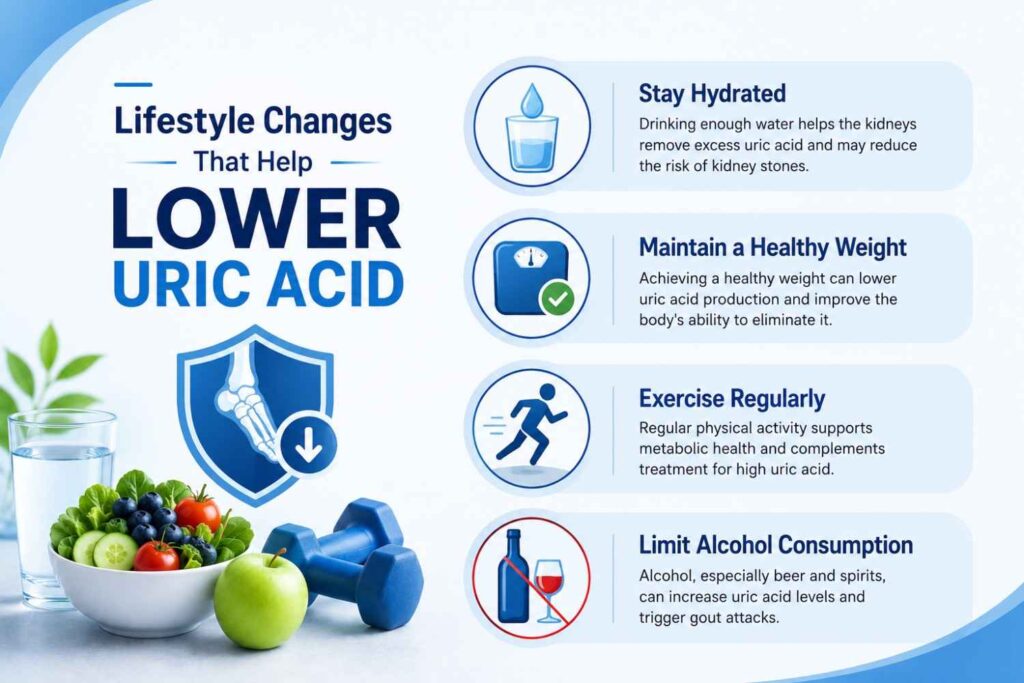
Long-term management typically involves:
- Healthy eating habits
- Weight control
- Regular exercise
- Adequate hydration
- Medication when required
The goal of treatment for high uric acid is to maintain healthy uric acid levels and reduce the risk of gout and kidney problems.
When to Consult a Doctor
Seek medical advice if you experience:
- Sudden joint pain
- Swelling and redness in joints
- Recurrent gout attacks
- Kidney stones
- Persistently high uric acid levels
Prompt evaluation can improve the success of treatment for high uric acid and help prevent future complications.
Conclusion
Treatment for high uric acid involves healthy lifestyle changes, dietary adjustments, proper hydration, and medication when needed. Early management can help control uric acid levels and prevent complications such as gout and kidney stones.
For further information on high uric acid, please visit American College of Rheumatology (ACR)
Frequently Asked Questions
What is the best treatment for high uric acid?
The best treatment for high uric acid depends on the underlying cause, severity of symptoms, and overall health. Most treatment plans combine lifestyle changes, dietary adjustments, and medication when needed.
Can treatment for high uric acid be done without medication?
Yes. Mild cases may improve through weight management, dietary changes, hydration, and regular exercise. However, some patients require medication for effective control.
Which foods should be avoided during treatment for high uric acid?
Red meat, organ meats, shellfish, sugary beverages, and excessive alcohol are commonly restricted because they can increase uric acid levels.
How long does treatment for high uric acid take?
The duration varies from person to person. Some individuals achieve control through lifestyle changes, while others may need long-term treatment and monitoring.
Can high uric acid return after treatment?
Yes. Uric acid levels can rise again if healthy habits and medical recommendations are not maintained consistently.
Is high uric acid the same as gout?
No. High uric acid is a condition where uric acid levels are elevated in the blood, while gout occurs when uric acid crystals accumulate in the joints and cause inflammation.
Can drinking more water help in the treatment for high uric acid?
Yes. Drinking enough water helps the body remove excess uric acid and may lower the risk of kidney stones.
Which fruits are beneficial during treatment for high uric acid?
Cherries, berries, oranges, and other vitamin C-rich fruits may help support healthy uric acid levels.
Are there any side effects of medications used for treatment for high uric acid?
Some medications may cause side effects. Your doctor will monitor treatment to ensure safety and effectiveness.
Does treatment for high uric acid cure gout completely?
It can reduce gout attacks and symptoms, but ongoing management may be needed to prevent recurrence.
BAARC Rheumatology Specialists

Dr Athul Paul
MD, Post Doctoral Fellowship in Rheumatology (CMC Vellore)
Consultant Rheumatologist
BAARC Rheumatology Clinic, Kozhikode

Dr Binoy J Paul
MD, PhD, DNB, FRCP (Edin.)
Senior Consultant Rheumatologist
BAARC Rheumatology Centre, Kozhikode