
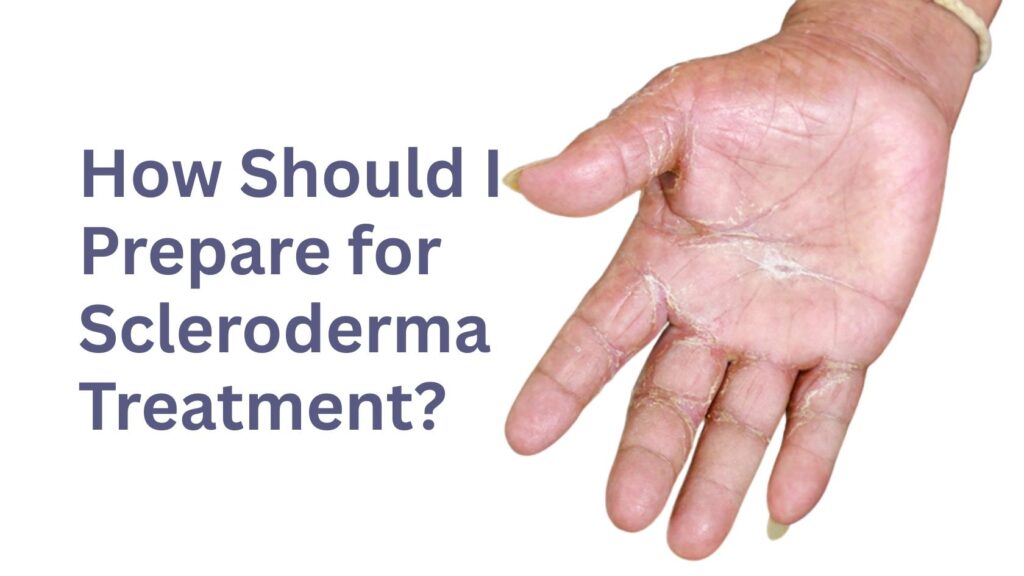
How Should I Prepare for Scleroderma Treatment?
Preparing for scleroderma treatment is an important step that supports better medical outcomes, smoother appointments, and long-term disease management. Scleroderma is a chronic autoimmune condition that may affect the skin, blood vessels, joints, digestive system, lungs, heart, and kidneys. Because treatment often involves ongoing monitoring and individualized therapy, preparation helps patients understand their condition, participate actively in decision-making, and reduce anxiety before starting care.
This guide explains how to prepare physically, medically, emotionally, and practically for scleroderma treatment.
Understand Your Diagnosis Clearly
Before beginning treatment, it is important to fully understand your specific diagnosis. Scleroderma can be:
Localized (primarily affecting the skin)
Systemic (affecting skin and internal organs)
You should clarify:
Which type of scleroderma you have
Whether internal organs are involved
The severity and stage of the condition
What symptoms require immediate attention
Clear understanding helps you follow treatment instructions correctly and monitor changes effectively.
Organize Your Medical Records
Bringing complete medical documentation to your consultation supports accurate treatment planning.
Prepare:
Previous blood test results
Imaging reports (if done)
Lung function tests
Heart evaluations
Kidney function reports
Current medication list
Allergy history
Having organized records avoids repeated testing and helps doctors make informed decisions.
List Your Symptoms in Detail
Keeping a symptom record before starting treatment is highly beneficial. Write down:
When symptoms started
Skin changes (tightness, thickening, discoloration)
Raynaud’s attacks (frequency and severity)
Joint stiffness or swelling
Breathlessness or cough
Digestive problems
Fatigue levels
Blood pressure changes
Tracking symptoms provides a clear picture of disease activity and helps tailor treatment.
Prepare Questions About Treatment
Before starting therapy, you should feel comfortable asking questions such as:
What are the goals of treatment?
Is the treatment short-term or long-term?
What improvements can I expect?
What side effects should I watch for?
How will treatment progress be monitored?
Being prepared with questions improves communication and builds confidence.
Understand the Treatment Plan
Scleroderma treatment may include:
Immunosuppressive medications
Circulation-improving therapy for Raynaud’s
Lung-protective treatment
Digestive symptom management
Blood pressure monitoring
Physical therapy
Understanding each component reduces uncertainty and helps you follow the plan consistently.
Monitor Blood Pressure Regularly
Because scleroderma can affect kidney function, monitoring blood pressure is important.
Before treatment begins:
Learn how to measure blood pressure properly
Keep a home monitoring log
Report unusual changes promptly
Early detection of blood pressure changes improves safety.
Protect Your Skin Before Treatment
Skin care is a major part of scleroderma preparation.
Start:
Daily moisturizing routines
Avoiding harsh soaps or chemicals
Protecting hands from cold exposure
Checking fingers for small cracks or ulcers
Healthy skin improves comfort and reduces infection risk.
Prepare for Circulation Management
If Raynaud’s phenomenon is present:
Keep gloves and warm socks ready
Avoid sudden cold exposure
Learn stress-reduction techniques
Stop smoking if applicable
Improving circulation habits before treatment enhances results.
Adjust Lifestyle Habits
Healthy lifestyle changes support medical treatment.
Consider:
Gentle daily stretching exercises
Light physical activity to maintain mobility
Balanced nutrition
Smaller meals if reflux is present
Staying hydrated
Adequate sleep
Lifestyle preparation reduces flare triggers and improves overall stability.
Prepare for Possible Side Effects
Some medications used in scleroderma treatment may require regular blood monitoring.
Before starting treatment:
Understand potential side effects
Know which symptoms require urgent reporting
Keep a symptom diary
Follow scheduled blood tests strictly
Preparation improves medication safety.
Plan for Regular Monitoring
Scleroderma treatment requires consistent follow-up.
Monitoring may include:
Lung function tests
Kidney assessments
Heart evaluations
Blood pressure monitoring
Blood tests
Understanding the need for ongoing monitoring helps you stay committed to appointments.
Mental and Emotional Preparation
Living with a chronic condition can cause stress or anxiety.
Preparation includes:
Learning about the condition
Setting realistic expectations
Practicing stress management
Seeking support from family
Staying informed without overexposure to alarming information
Emotional readiness improves treatment adherence.
Financial Planning
Scleroderma treatment may involve long-term medication and follow-ups.
Prepare by:
Understanding approximate treatment costs
Planning monthly healthcare budgets
Keeping track of prescriptions
Discussing monitoring schedules clearly
Financial clarity reduces stress during ongoing care.
Nutrition Preparation
Digestive involvement is common in scleroderma.
Before treatment:
Avoid heavy late-night meals
Elevate the head while sleeping if reflux is present
Eat slowly and chew thoroughly
Monitor foods that worsen symptoms
Diet awareness improves digestive comfort.
Exercise Preparation
Maintaining mobility is important.
Safe preparation includes:
Gentle hand and finger stretching
Shoulder and hip mobility exercises
Avoiding high-impact strain
Gradually increasing activity levels
Movement helps prevent stiffness progression.
Know When to Seek Immediate Help
Before starting treatment, understand emergency warning signs:
Sudden severe breathlessness
Severe high blood pressure
Intense chest pain
Rapid swelling
Severe finger ulcers
Sudden kidney-related symptoms
Recognizing warning signs ensures timely intervention.
Importance of Early Treatment Preparation
Preparing early for scleroderma treatment can:
Improve treatment effectiveness
Reduce complications
Enhance patient confidence
Strengthen doctor-patient communication
Support long-term disease control
Early and informed preparation often leads to better outcomes.
Long-Term Mindset
Scleroderma treatment is usually ongoing. Preparation should focus on:
Consistency
Regular monitoring
Lifestyle adjustments
Early response to new symptoms
Maintaining independence
A long-term mindset helps manage expectations realistically.
Summary
Preparing for scleroderma treatment involves understanding your diagnosis, organizing medical records, tracking symptoms, asking informed questions, adjusting lifestyle habits, protecting skin and circulation, and committing to regular monitoring. Because scleroderma is a chronic autoimmune condition that may affect multiple organs, preparation supports safer and more effective long-term care.
With proper preparation, patients can approach scleroderma treatment confidently, participate actively in decision-making, and improve overall health outcomes through structured and consistent management.
Frequently Asked Questions
1. Why is preparation important before starting scleroderma treatment?
Preparation helps you understand your condition, organize medical records, ask the right questions, and follow the treatment plan more effectively.
2. What medical records should I bring before starting treatment?
You should bring previous blood test reports, imaging results, lung and heart evaluations, medication lists, and any recent medical summaries.
3. Should I track my symptoms before beginning treatment?
Yes, keeping a record of skin changes, joint stiffness, breathing issues, digestive symptoms, and blood pressure readings helps guide treatment planning.
4. Do I need to monitor my blood pressure before treatment?
Yes, regular blood pressure monitoring is important because scleroderma can sometimes affect kidney function.
5. How can I prepare my skin before starting treatment?
Daily moisturizing, protecting hands from cold exposure, avoiding harsh chemicals, and monitoring for small cracks or ulcers are helpful steps.
6. What lifestyle changes should I make before treatment?
Gentle stretching, light exercise, balanced nutrition, stress management, and avoiding smoking can support better treatment outcomes.
7. Should I prepare for possible medication side effects?
Yes, understanding potential side effects and knowing when to report symptoms helps ensure safe and effective treatment.
8. How often will I need follow-up visits?
Follow-up frequency depends on your symptoms and organ involvement, but regular monitoring is essential in long-term scleroderma management.
9. What warning signs require urgent medical attention?
Seek immediate care for sudden breathlessness, severe high blood pressure, chest pain, rapid swelling, or painful finger ulcers.
10. Can early preparation improve treatment results?
Yes, being well-prepared supports better communication, consistent care, and improved long-term health outcomes.

Dr. Binoy J. Paul
MD, PhD, DNB, FRCP (Edin.)
Senior Consultant Rheumatologist