
Scleroderma Management and Monitoring: Ongoing Care, Symptom Tracking, and Treatment Follow-Up
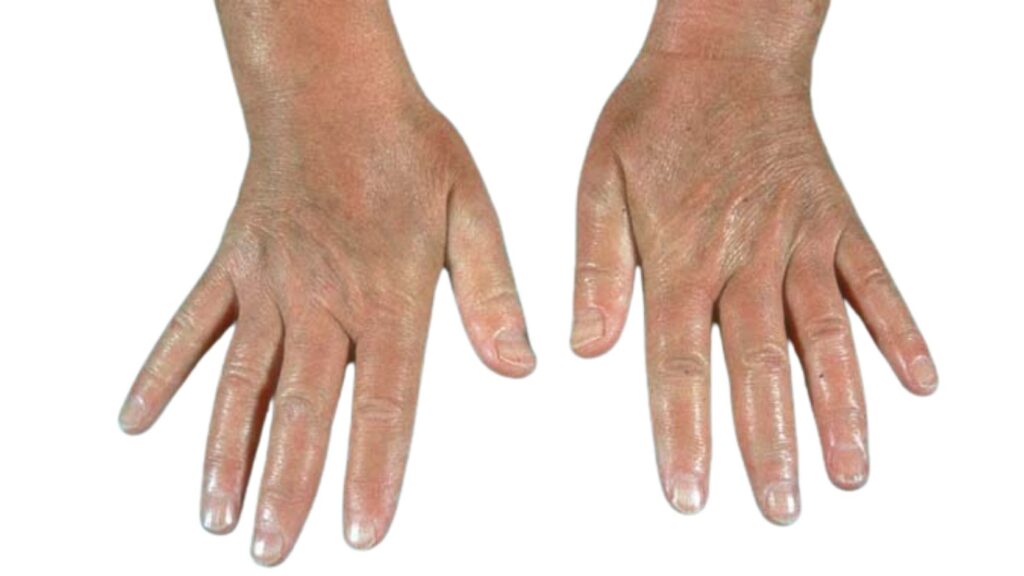
Scleroderma Management and Monitoring are essential for individuals living with this chronic autoimmune condition in Kerala, as the disease can affect the skin, joints, blood vessels, and internal organs over time. Proper management focuses on controlling symptoms, slowing disease progression, preventing complications, and maintaining quality of life through regular evaluation and coordinated medical care.
Scleroderma is not a single-condition disease; it presents differently in every individual. Some people experience mild skin-related symptoms, while others may develop systemic involvement affecting organs such as the lungs, heart, kidneys, or digestive system. Because of this variability, management and monitoring are continuous processes that require personalized treatment planning and regular follow-up.
1. Understanding Scleroderma Management
Scleroderma management involves long-term care aimed at symptom control, disease stabilization, and complication prevention. The condition cannot always be reversed, but consistent treatment and monitoring help reduce progression and maintain function.
Management typically includes medical therapy, lifestyle adjustments, rehabilitation support, and routine monitoring. The goal is to help individuals remain active, comfortable, and independent while minimizing disease impact on daily life.
2. Importance of Early Diagnosis
Early identification of scleroderma allows timely treatment and monitoring, which can significantly influence disease outcomes.
When diagnosed early, healthcare providers can begin symptom management, evaluate organ function, and guide patients on preventive measures. Early care also helps reduce complications and improve long-term prognosis.
3. Role of Regular Monitoring
Monitoring is a central component of scleroderma care. Because the disease can progress gradually, periodic assessment is necessary to track changes and adjust treatment plans.
Monitoring may include clinical evaluations, laboratory tests, imaging studies, and functional assessments. Regular observation helps detect complications early and ensures timely medical intervention.
4. Skin Care and Monitoring
Skin thickening and hardening are common features of scleroderma. Ongoing skin assessment helps identify changes in texture, elasticity, and sensitivity.
Patients are often advised to maintain skin hydration, avoid extreme temperatures, and monitor for ulcers or infections. Proper skin care reduces discomfort and prevents complications.
5. Joint and Muscle Management
Joint stiffness and muscle weakness may occur in individuals with scleroderma. Rehabilitation programs help maintain flexibility and mobility.
Physiotherapy exercises, stretching routines, and strength training are commonly recommended to support joint function and reduce discomfort.
6. Organ Function Monitoring
Systemic scleroderma may affect internal organs, making monitoring crucial.
Lung function, heart health, kidney performance, and digestive function may be evaluated periodically. Monitoring ensures early detection of complications and appropriate treatment adjustments.
7. Medication Management
Medications are often used to control inflammation, regulate immune activity, improve blood circulation, and manage symptoms.
Treatment plans vary depending on the type and severity of the disease. Regular follow-ups help assess medication effectiveness and manage side effects.
8. Blood Vessel and Circulation Care
Scleroderma can affect blood vessels, leading to circulation problems. Monitoring circulation helps prevent complications such as ulcers or tissue damage.
Patients may be guided on protecting extremities from cold exposure and maintaining vascular health through lifestyle measures.
9. Digestive System Monitoring
Digestive symptoms such as acidity, swallowing difficulty, or bowel irregularities may occur.
Monitoring digestive health allows early management and helps maintain nutritional balance and comfort.
10. Lung Health Surveillance
Lung involvement is a serious concern in systemic scleroderma.
Routine respiratory evaluations help detect breathing issues, inflammation, or fibrosis. Early monitoring supports timely treatment and improves outcomes.
11. Cardiac Monitoring
Heart health may be affected in some individuals.
Regular monitoring helps identify rhythm changes, circulation issues, or functional abnormalities. Early detection supports preventive care.
12. Kidney Function Evaluation
Kidney involvement can occur in certain cases.
Monitoring blood pressure and kidney function is essential to prevent complications and ensure overall health stability.
13. Pain and Symptom Control
Symptom management is a major focus of care.
Pain, fatigue, stiffness, and skin discomfort are addressed through medications, physical therapy, and lifestyle modifications. Effective symptom control improves daily functioning.
14. Role of Physiotherapy and Rehabilitation
Rehabilitation helps maintain mobility, flexibility, and independence.
Structured physiotherapy programs assist in preserving joint movement and muscle strength. Occupational therapy may help patients perform daily tasks comfortably.
15. Lifestyle and Self-Care Practices
Self-care plays a significant role in long-term disease management.
Balanced nutrition, stress management, regular exercise, skin protection, and proper rest contribute to overall health and symptom control.
16. Psychological and Emotional Support
Living with a chronic condition can affect mental well-being.
Emotional support, counseling, and support groups help individuals cope with stress, anxiety, and lifestyle adjustments related to the condition.
17. Multidisciplinary Care Approach
Scleroderma often requires a coordinated care approach involving multiple healthcare professionals.
Dermatology, rheumatology, rehabilitation, nutrition, and psychological support may be integrated into the management plan to provide comprehensive care.
18. Monitoring Disease Progression
Regular monitoring helps track disease activity and identify new symptoms.
Medical evaluations allow adjustments in treatment and support early management of complications.
19. Importance of Patient Education
Educating patients about the condition helps them participate actively in their care.
Understanding symptoms, triggers, and self-care strategies improves adherence to treatment and enhances overall outcomes.
20. Preventive Care Measures
Preventive care reduces complications and improves long-term quality of life.
Vaccinations, regular health screenings, and lifestyle adjustments help maintain overall health stability.
21. Nutritional Guidance
Proper nutrition supports immune health, energy levels, and tissue repair.
Dietary guidance helps manage digestive symptoms and maintain overall well-being.
22. Long-Term Follow-Up Planning
Scleroderma requires continuous medical follow-up.
Long-term planning ensures consistent monitoring, timely interventions, and sustained disease control.
23. Individualized Care Planning
No two individuals experience scleroderma in the same way.
Treatment and monitoring plans are tailored based on symptoms, disease severity, and overall health status.
24. Maintaining Daily Function and Independence
The goal of management is to help individuals maintain independence and daily activity.
Supportive therapies and monitoring help improve physical comfort and functionality.
25. Summary
Scleroderma Management and Monitoring involve continuous care, regular medical evaluation, symptom control, and lifestyle adjustments. Early diagnosis, structured monitoring, and coordinated care play a key role in improving quality of life and reducing complications. Because the disease can affect multiple systems, consistent observation and personalized treatment planning are essential for long-term health and stability in Kerala.
Table Of Content
Scleroderma :
Scleroderma treatment focuses on managing symptoms, slowing disease progression, and protecting affected organs through medications and supportive care. Scleroderma
Consultation :
A scleroderma consultation involves reviewing symptoms, medical history, physical examination, and planning appropriate investigations and treatment. Consultation
Diagnosis and Evaluation :
Diagnosis includes clinical assessment, blood tests, imaging, and organ function evaluation to determine disease type and severity. Diagnosis and Evaluation
Cost :
The cost of scleroderma treatment varies depending on disease severity, medications required, monitoring needs, and follow-up care. Cost
Systemic scleroderma treatment :
Systemic scleroderma treatment focuses on controlling immune response, protecting internal organs, and managing long-term complications. Systemic scleroderma treatment
Frequently Asked Questions
1. What is meant by scleroderma management and monitoring?
Scleroderma management and monitoring involve ongoing medical care, symptom control, and regular evaluations to track disease progression and prevent complications.
2. Why is regular monitoring important in scleroderma?
Regular monitoring helps identify changes in symptoms, detect organ involvement early, and adjust treatment plans when needed.
3. What areas of the body are monitored in scleroderma?
Monitoring may include skin, joints, lungs, heart, kidneys, digestive system, and blood circulation depending on disease type and severity.
4. How often should a person with scleroderma attend follow-up visits?
Follow-up frequency varies based on disease activity, treatment response, and overall health condition.
5. Is medication necessary for managing scleroderma?
Medication is often used to control symptoms, manage immune response, and prevent complications based on individual needs.
6. Can physiotherapy help in scleroderma management?
Physiotherapy may help improve joint flexibility, muscle strength, and mobility, supporting daily function.
7. How does lifestyle affect scleroderma management?
Healthy habits such as balanced nutrition, stress control, regular exercise, and skin care can support overall management and wellbeing.
8. Can scleroderma affect internal organs?
Yes, in some cases it may affect lungs, heart, kidneys, and the digestive system, which requires regular monitoring.
9. Is scleroderma management different for each patient?
Yes, management plans are personalized based on symptoms, disease severity, and organ involvement.
10. What is the goal of long-term scleroderma monitoring?
The goal is to control symptoms, prevent complications, maintain mobility, and improve quality of life through continuous care.