
Scleroderma Treatment Cost: Factors Affecting Expenses and Long-Term Care Planning
Scleroderma Treatment Cost: In Kerala, understanding the financial aspects of managing scleroderma is an important part of treatment planning. Scleroderma is a chronic autoimmune condition that affects the skin, connective tissues, and sometimes internal organs. The treatment approach varies depending on the disease type, severity, and organ involvement. Because it requires long-term medical care, costs are influenced by multiple clinical and non-clinical factors rather than a single fixed price.
This page provides a structured overview of the approximate cost considerations involved in scleroderma treatment, including evaluation, medications, therapies, monitoring, and supportive care.
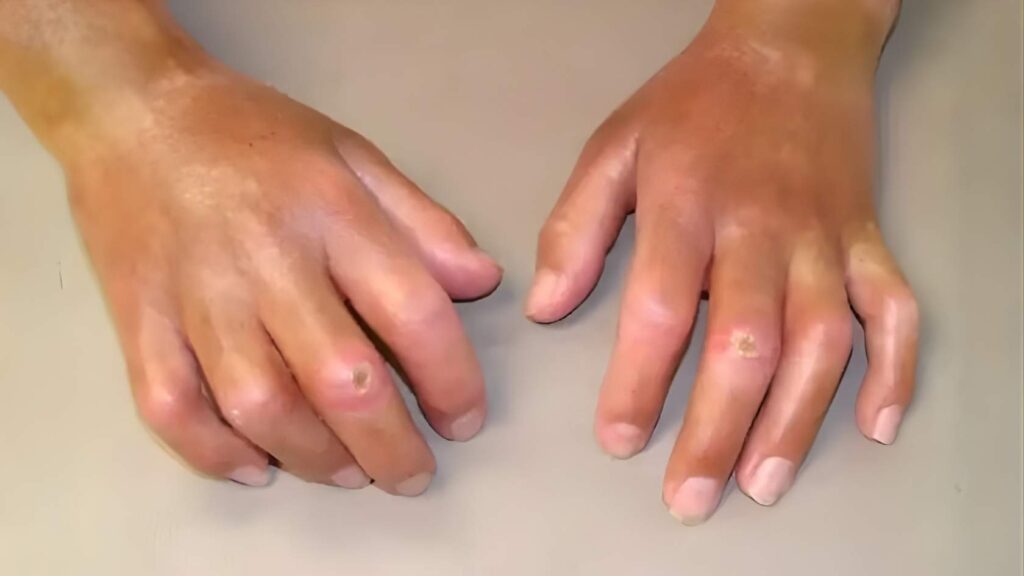
1. Understanding Scleroderma and Its Treatment Approach
Scleroderma involves abnormal immune activity leading to fibrosis and vascular changes. Treatment is aimed at:
Managing symptoms
Slowing disease progression
Preventing complications
Preserving organ function
Improving quality of life
Treatment is typically multidisciplinary and may include rheumatology care, dermatology support, physiotherapy, and internal medicine follow-up.
Because treatment plans are individualized, cost depends heavily on disease pattern, duration, and treatment intensity.
2. Factors That Influence Scleroderma Treatment Cost
Several variables determine the overall treatment expenses:
Disease Type
Localized scleroderma often requires dermatological care and medications
Systemic scleroderma may involve organ-specific treatment and monitoring
Severity and Organ Involvement
Costs increase when organs such as lungs, heart, kidneys, or gastrointestinal tract require management.
Duration of Treatment
Scleroderma management is long term, often requiring continuous monitoring and medication.
Treatment Modality
Medications
Physiotherapy
Hospital-based care
Diagnostic investigations
Hospital and Facility Type
Costs vary between clinics, specialty centers, and tertiary hospitals.
Frequency of Follow-Up
Regular consultations and testing add to overall expenses.
3. Initial Evaluation and Diagnosis Cost
The first stage involves comprehensive clinical evaluation and investigations. Approximate expenses may include:
Consultation and physical examination: ₹500 – ₹1,500 per visit
Blood tests and autoimmune panels: ₹3,000 – ₹10,000
Imaging studies (X-ray, CT, echocardiogram if required): ₹2,000 – ₹12,000
Lung function tests: ₹2,000 – ₹5,000
Skin biopsy (if advised): ₹3,000 – ₹8,000
These tests help confirm diagnosis and identify systemic involvement.
4. Medication Cost
Medication is a major part of scleroderma management. Costs vary depending on drug type and duration.
Immunosuppressive Medicines
Approximate monthly cost: ₹2,000 – ₹15,000
Anti-inflammatory Drugs
Approximate monthly cost: ₹500 – ₹3,000
Vasodilators and Circulation Medicines
Approximate monthly cost: ₹1,000 – ₹6,000
Antifibrotic or Organ-Specific Drugs
Approximate monthly cost: ₹5,000 – ₹20,000
Skin-Focused Treatments
Topical therapies may cost ₹500 – ₹2,500 per month.
Medication expenses are ongoing and may change depending on disease activity.
5. Physiotherapy and Rehabilitation Cost
Many individuals require physiotherapy to maintain joint mobility and prevent stiffness.
Approximate costs:
Physiotherapy session: ₹300 – ₹1,000 per session
Monthly rehabilitation program: ₹3,000 – ₹12,000
Regular therapy improves flexibility and functional independence.
6. Hospital-Based Treatment Expenses
In moderate to severe cases, hospital-based interventions may be required.
Day-Care Treatments
Approximate cost: ₹5,000 – ₹20,000 per session
Inpatient Care
Approximate cost: ₹15,000 – ₹60,000 depending on duration and treatment intensity.
Organ-Specific Management
Costs vary widely if complications like lung disease, kidney involvement, or cardiac issues require specialized care.
7. Monitoring and Follow-Up Cost
Scleroderma requires regular medical monitoring.
Approximate recurring costs:
Follow-up consultation: ₹500 – ₹1,500 per visit
Blood tests: ₹2,000 – ₹6,000 every few months
Imaging and lung tests annually: ₹5,000 – ₹20,000
Long-term monitoring helps detect complications early and adjust therapy.
8. Skin and Cosmetic Management Cost
Skin tightening, ulcers, and pigmentation changes may require dermatological care.
Approximate costs:
Topical therapies: ₹500 – ₹3,000 monthly
Ulcer management: ₹2,000 – ₹10,000 per treatment cycle
Laser or supportive procedures (if advised): ₹10,000 – ₹40,000 per session
These are supportive and depend on symptom severity.
9. Management of Complications
Advanced scleroderma may lead to complications that increase treatment cost.
Lung Involvement
Pulmonary treatment and monitoring: ₹10,000 – ₹50,000 annually or more.
Kidney Complications
Medication and monitoring: ₹5,000 – ₹30,000 depending on severity.
Gastrointestinal Issues
Dietary therapy and medicines: ₹2,000 – ₹10,000 monthly.
Costs vary based on progression and treatment needs.
10. Long-Term Cost Outlook
Since scleroderma is a chronic condition, expenses are spread over time rather than a single treatment phase.
Approximate yearly cost ranges:
Mild disease: ₹30,000 – ₹1,20,000
Moderate disease: ₹1,20,000 – ₹3,00,000
Severe disease with organ involvement: ₹3,00,000 and above
These figures vary widely depending on treatment complexity and hospital setting.
11. Non-Medical Costs
Additional expenses may include:
Travel to specialty centers
Dietary support
Lifestyle adjustments
Supportive devices or aids
These indirect costs contribute to overall financial planning.
12. Importance of Early Diagnosis in Cost Management
Early detection can reduce treatment burden by:
Preventing complications
Limiting organ damage
Reducing hospitalization needs
Timely intervention often leads to better disease control and potentially lower long-term costs.
13. Lifestyle and Self-Care Expenses
Lifestyle adjustments are an important part of management.
Approximate recurring expenses:
Skin care products: ₹500 – ₹2,000 monthly
Nutritional supplements: ₹1,000 – ₹4,000 monthly
Protective clothing for circulation support: variable
These support overall disease management.
14. Psychological Support and Counseling Cost
Chronic illness may affect emotional well-being.
Approximate costs:
Counseling sessions: ₹800 – ₹2,500 per session
Support therapy programs: ₹5,000 – ₹20,000 depending on duration
Mental health care is an important component of comprehensive treatment.
15. Summary of Approximate Cost Structure
Overall scleroderma treatment expenses depend on multiple factors and vary from person to person.
Approximate breakdown:
Initial diagnosis: ₹5,000 – ₹30,000
Monthly medication: ₹2,000 – ₹20,000
Physiotherapy: ₹3,000 – ₹12,000 monthly
Monitoring tests: ₹5,000 – ₹25,000 annually
Hospital care (if required): variable and higher
There is no single fixed cost because treatment plans differ significantly based on disease presentation and response to therapy.
For further clarifications and details about cost, please contact the doctor for an individualized evaluation and guidance.
16. Final Overview
Scleroderma treatment involves a combination of medical therapy, monitoring, rehabilitation, and supportive care. Costs vary widely depending on disease severity, organ involvement, and duration of treatment. Planning for long-term management, regular follow-up, and lifestyle adjustments plays a key role in overall disease control and financial preparedness. Individuals seeking treatment information in Kerala should consider consultation, diagnostic evaluation, medication needs, and follow-up requirements when understanding the overall cost structure of managing this condition.
Table Of Content
Scleroderma :
Scleroderma treatment focuses on managing symptoms, slowing disease progression, and protecting affected organs through medications and supportive care. Scleroderma
Consultation :
A scleroderma consultation involves reviewing symptoms, medical history, physical examination, and planning appropriate investigations and treatment. Consultation
Diagnosis and Evaluation :
Diagnosis includes clinical assessment, blood tests, imaging, and organ function evaluation to determine disease type and severity. Diagnosis and Evaluation
Management and Monitoring :
Management involves regular follow-up, symptom tracking, medication adjustments, and monitoring for organ involvement. Management and Monitoring
Systemic scleroderma treatment :
Systemic scleroderma treatment focuses on controlling immune response, protecting internal organs, and managing long-term complications. Systemic scleroderma treatment
Frequently Asked Questions
1. What factors influence scleroderma treatment cost?
Scleroderma treatment cost depends on disease severity, organ involvement, medications, diagnostic tests, and frequency of follow-up visits.
2. Does the type of scleroderma affect treatment expenses?
Yes, localized scleroderma may require limited care, while systemic scleroderma often needs long-term monitoring and multidisciplinary management.
3. Are regular diagnostic tests required during treatment?
Yes, periodic tests help monitor disease progression, treatment response, and organ function.
4. Is long-term medication necessary for scleroderma?
Many patients require ongoing medications to manage symptoms and prevent complications depending on the nature of the condition.
5. Does organ involvement increase treatment complexity?
Yes, when organs such as lungs, heart, or kidneys are affected, additional medical supervision and therapies may be required.
6. Is physiotherapy part of scleroderma management?
Physiotherapy and rehabilitation may be recommended to maintain joint flexibility, strength, and daily function.
7. How often are follow-up consultations needed?
Follow-up frequency varies based on disease activity, treatment response, and individual health needs.
8. Can lifestyle changes help in managing scleroderma?
Proper skin care, nutrition, stress management, and physical activity can support treatment outcomes.
9. Is treatment different for each patient?
Yes, treatment plans are personalized based on symptoms, disease progression, and overall health condition.
10. Where can I get exact details about scleroderma treatment planning and cost?
For further clarification and exact cost details, please contact the doctor.
Our Expert Rheumatologists
BAARC (Dr. Binoy’s Arthritis and Rheumatology Centre) is North Kerala’s premier rheumatology center, established with a vision to provide comprehensive, compassionate care for patients with arthritis and autoimmune conditions.

Dr. Binoy J. Paul
MD, PhD, DNB, FRCP (Edin.)
Senior Consultant Rheumatologist