
Scleroderma Consultation: Assessment, Diagnosis Planning, and Care Guidance
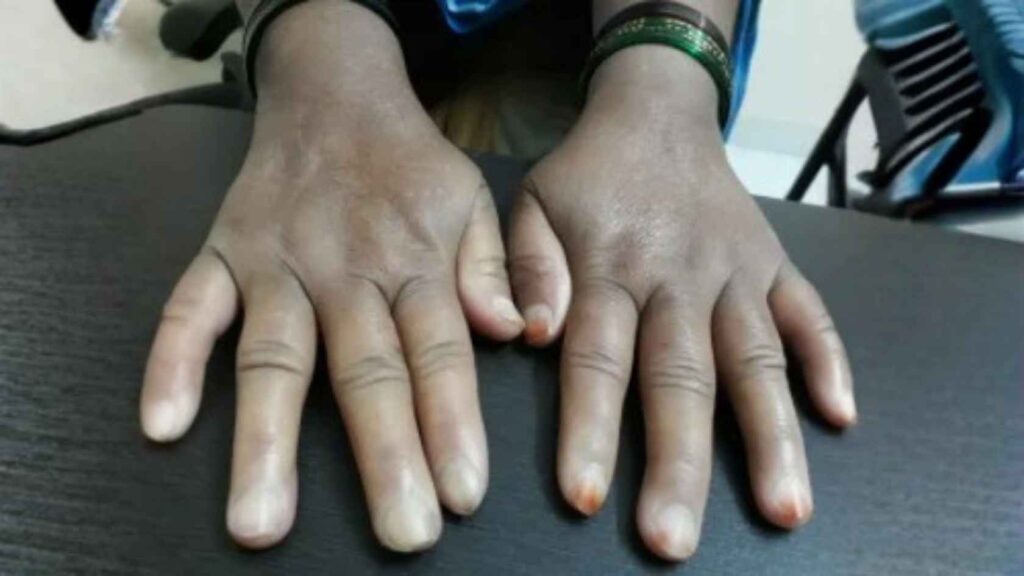
Scleroderma consultation is the first step in understanding symptoms, confirming diagnosis, and planning appropriate care for individuals affected by this connective tissue condition. For people seeking scleroderma consultation in Kerala, early evaluation helps identify the nature of the disease, assess symptom severity, and guide further treatment decisions. Scleroderma consultations are structured to gather medical history, examine physical signs, and determine the most suitable management pathway based on individual needs.
A consultation focuses on identifying how the condition affects the skin, joints, blood vessels, and internal organs. Since scleroderma presents differently in each person, a personalized approach is essential during the initial evaluation.
1. Purpose of a Scleroderma Consultation
A scleroderma consultation helps establish clarity about symptoms, possible causes, and the extent of the condition. The goal is not only diagnosis but also understanding how the disease may progress and what steps are needed for management.
The consultation typically aims to:
Identify early signs and symptoms
Assess disease impact on daily activities
Evaluate skin and joint involvement
Detect any internal organ effects
Plan further diagnostic evaluation
This step provides a foundation for long-term care planning.
2. Medical History Assessment
Understanding a patient’s medical history is an essential part of the consultation. This includes reviewing symptoms, duration, and any previous medical conditions.
Discussion may include:
Onset of skin changes or tightness
Joint pain or stiffness
Circulation-related symptoms such as cold sensitivity
Digestive discomfort or swallowing issues
Breathing changes or fatigue
A thorough history helps identify patterns and possible triggers.
3. Physical Examination
Physical evaluation helps identify visible and functional changes associated with scleroderma. Examination is performed carefully to understand the condition’s effects on the body.
Assessment may include:
Skin thickness and elasticity
Joint mobility and range of motion
Circulation and vascular changes
Muscle strength
Swelling or tenderness
This helps determine the severity and areas of involvement.
4. Symptom Evaluation
Symptoms vary widely among individuals. Some may experience mild skin changes, while others may have broader systemic symptoms.
Evaluation focuses on:
Skin tightening
Joint discomfort
Muscle weakness
Digestive issues
Respiratory concerns
Understanding symptom patterns helps guide further testing.
5. Diagnostic Planning
Based on the consultation, diagnostic tests may be recommended to confirm the condition and assess internal involvement.
Tests may include:
Blood investigations
Imaging assessments
Functional tests for lungs or digestion
Other relevant evaluations based on symptoms
Diagnostic planning supports accurate disease identification.
6. Differentiating Types of Scleroderma
Scleroderma includes different forms, and consultation helps determine which type may be present. Identifying the type guides treatment planning and monitoring.
Evaluation may consider:
Localized skin involvement
Systemic features
Disease progression pattern
Symptom distribution
This distinction is important for long-term management.
7. Understanding Disease Progression
Consultations often include discussions about how the condition may progress over time. This helps individuals prepare mentally and physically for future care.
Patients may learn about:
Possible changes in symptoms
Long-term monitoring needs
Importance of regular follow-up
Preventive care strategies
Awareness supports early response to changes.
8. Planning Initial Management
Although treatment may not begin immediately, consultations help outline initial management strategies based on findings.
This may include:
Symptom relief measures
Lifestyle recommendations
Monitoring plans
Follow-up scheduling
Early planning supports organized care.
9. Lifestyle Discussion During Consultation
Lifestyle plays a supportive role in managing symptoms. Discussions help identify habits that may influence symptom progression.
Topics may include:
Physical activity patterns
Stress levels
Sleep routines
Daily workload and mobility
Understanding these factors supports individualized care.
10. Addressing Circulation and Skin Concerns
Scleroderma often affects blood vessels and skin. Consultation helps identify circulation issues and skin-related symptoms early.
Evaluation includes:
Sensitivity to cold
Skin dryness or tightening
Color changes in fingers or toes
Early recognition helps reduce complications.
11. Digestive and Respiratory Assessment
Some individuals experience digestive discomfort or breathing changes. Consultation helps assess whether these symptoms are related to scleroderma.
Discussion may include:
Swallowing difficulty
Acid reflux symptoms
Shortness of breath
Persistent fatigue
Monitoring supports early intervention.
12. Role of Patient Awareness
Patient awareness is a critical part of consultation. Understanding the condition helps individuals actively participate in care.
Consultation encourages:
Symptom tracking
Awareness of flare-ups
Reporting new symptoms
Following medical guidance
Education supports better outcomes.
13. Emotional and Psychological Considerations
Chronic conditions can affect emotional well-being. Consultation allows space to discuss concerns, anxiety, or uncertainty.
Support may involve:
Counseling guidance
Coping strategies
Family involvement
Stress management
Emotional balance supports long-term care.
14. Importance of Early Consultation
Early consultation helps detect the condition before complications develop. Timely evaluation supports better planning and symptom management.
Benefits include:
Early diagnosis
Prompt monitoring
Preventive care
Improved understanding of the condition
Early attention improves long-term outcomes.
15. Preparing for a Scleroderma Consultation
Being prepared helps make the consultation more effective. Individuals can gather relevant information before the visit.
Preparation may include:
Listing symptoms
Noting medical history
Bringing previous reports
Preparing questions
Preparation improves communication and clarity.
16. Follow-Up Planning
Consultations usually lead to follow-up visits for monitoring and reassessment. Regular reviews help detect changes early and adjust care accordingly.
Follow-up may involve:
Symptom review
Repeat evaluations
Lifestyle guidance
Preventive care strategies
Consistency supports disease control.
17. Long-Term Monitoring Needs
Scleroderma often requires ongoing monitoring to track disease progression and organ involvement.
Monitoring focuses on:
Skin condition
Joint mobility
Circulation
Digestive health
Respiratory function
Regular monitoring helps maintain stability.
18. Communication During Consultation
Clear communication helps patients understand their condition and care plan. Patients are encouraged to ask questions and discuss concerns openly.
Important communication areas include:
Symptom explanation
Treatment expectations
Lifestyle guidance
Follow-up planning
Open dialogue improves patient confidence.
19. Managing Expectations
Consultations help set realistic expectations regarding diagnosis, management, and long-term care. Understanding that the condition may require ongoing attention supports better adaptation.
Patients gain clarity about:
Disease variability
Importance of monitoring
Need for consistent care
Lifestyle adjustments
Expectation management improves adherence.
20. Overview of the Consultation Process
A scleroderma consultation is a comprehensive process involving medical evaluation, physical assessment, symptom analysis, and planning for future care. It is designed to help individuals understand their condition and begin a structured management pathway.
The consultation supports:
Accurate diagnosis
Symptom understanding
Planning of investigations
Long-term care strategies
For individuals planning scleroderma consultation in Kerala, early assessment, clear communication, and structured follow-up play a key role in supporting effective long-term disease management and improving overall quality of life.
Table Of Content
Scleroderma :
Scleroderma treatment focuses on managing symptoms, slowing disease progression, and protecting affected organs through medications and supportive care. Scleroderma
Diagnosis and Evaluation :
Diagnosis includes clinical assessment, blood tests, imaging, and organ function evaluation to determine disease type and severity. Diagnosis and Evaluation
Cost :
The cost of scleroderma treatment varies depending on disease severity, medications required, monitoring needs, and follow-up care. Cost
Management and Monitoring :
Management involves regular follow-up, symptom tracking, medication adjustments, and monitoring for organ involvement. Management and Monitoring
Systemic scleroderma treatment :
Systemic scleroderma treatment focuses on controlling immune response, protecting internal organs, and managing long-term complications. Systemic scleroderma treatment
Frequently Asked Questions
1. What is a scleroderma consultation?
A scleroderma consultation is an evaluation that helps assess symptoms, confirm diagnosis, and plan appropriate management.
2. When should someone consider a scleroderma consultation?
A consultation is recommended when symptoms like skin tightening, joint stiffness, or circulation issues appear.
3. What happens during a scleroderma consultation?
The consultation includes medical history review, physical examination, symptom evaluation, and planning further tests if needed.
4. Is a physical examination part of the consultation?
Yes, skin condition, joint mobility, circulation, and overall health are assessed during the visit.
5. Are diagnostic tests required during the first consultation?
Tests may be suggested depending on symptoms and clinical findings.
6. How long does a scleroderma consultation usually take?
Most consultations take time based on symptom complexity and the need for detailed evaluation.
7. Can lifestyle habits be discussed during the consultation?
Yes, daily activities, stress levels, and physical habits are often discussed to support management planning.
8. Is follow-up necessary after a scleroderma consultation?
Yes, follow-up helps monitor symptoms, review test results, and plan long-term care.
9. Can scleroderma affect internal organs?
In some cases, the condition may involve organs such as the lungs or digestive system, which requires monitoring.
10. Why is early consultation important for scleroderma?
Early evaluation supports timely diagnosis, monitoring, and structured disease management.
Our Expert Rheumatologists
BAARC (Dr. Binoy’s Arthritis and Rheumatology Centre) is North Kerala’s premier rheumatology center, established with a vision to provide comprehensive, compassionate care for patients with arthritis and autoimmune conditions.

Dr. Binoy J. Paul
MD, PhD, DNB, FRCP (Edin.)
Senior Consultant Rheumatologist