
Scleroderma Treatment: Diagnosis, Care Planning, and Management Approaches
Scleroderma treatment focuses on managing symptoms, controlling disease progression, and improving overall quality of life for individuals living with this complex autoimmune condition. For people seeking scleroderma treatment in Kerala, early medical evaluation and a structured care plan are important for minimizing complications and supporting long-term health. Scleroderma affects the skin, connective tissues, and sometimes internal organs, making treatment individualized and ongoing rather than a one-time intervention.
The approach to treatment depends on the severity of symptoms, areas of the body affected, and how the condition progresses over time. Medical management aims to reduce inflammation, maintain organ function, improve mobility, and support daily activities.
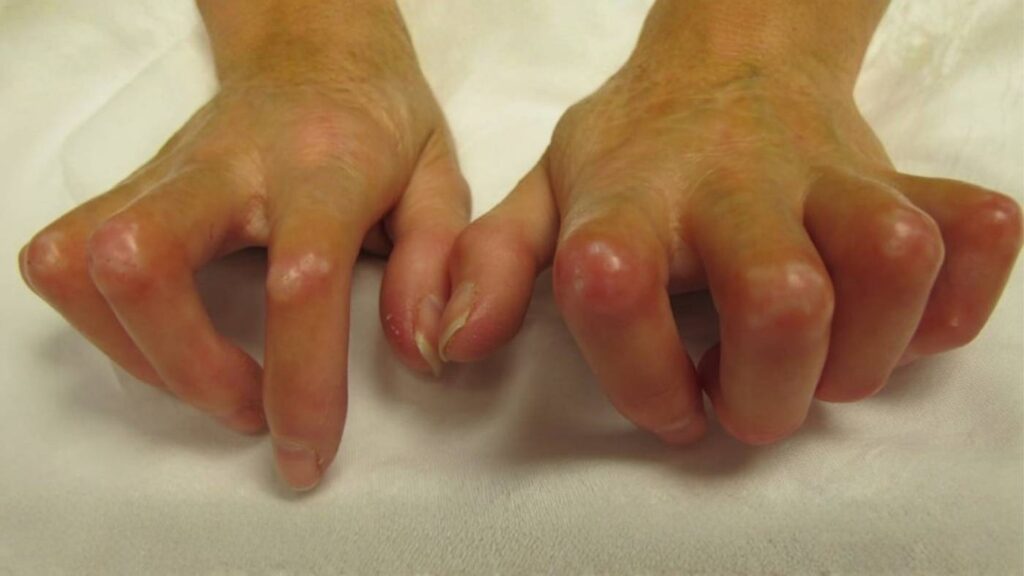
1. Understanding Scleroderma And Its Impact
Scleroderma is an autoimmune condition in which the immune system causes abnormal thickening and hardening of connective tissues. It can affect the skin, blood vessels, joints, digestive system, lungs, and other organs. Because the disease behaves differently in each person, treatment plans are tailored to individual needs.
Some individuals may experience mild skin symptoms, while others may develop complications affecting internal organs. This variability is the reason treatment must be personalized and regularly reviewed.
2. Goals Of Scleroderma Treatment
The primary goals of treatment include reducing symptoms, slowing disease progression, and preventing complications. Treatment does not always cure the condition but aims to help individuals maintain function and comfort.
Common goals include:
Managing skin tightness and discomfort
Improving circulation and joint movement
Preventing organ involvement
Supporting digestive and respiratory health
Enhancing daily functioning and independence
Long-term care is often required to maintain stability and monitor disease changes.
3. Early Diagnosis And Medical Evaluation
Early evaluation is essential for planning appropriate treatment. Diagnosis usually involves symptom review, physical examination, and supportive tests when necessary.
Assessment focuses on:
Skin thickness and changes
Joint mobility and stiffness
Circulation issues such as cold sensitivity
Digestive symptoms
Breathing or respiratory concerns
Early detection helps guide timely intervention and reduces the risk of complications.
4. Medication-Based Management
Medications are often used to manage symptoms and control immune system activity. Treatment varies depending on the type and severity of scleroderma.
Medical management may include:
Anti-inflammatory medicines
Immune-modulating therapies
Medicines to support blood circulation
Treatments for digestive symptoms
Pain management support
Medication plans are monitored regularly and adjusted based on individual response.
5. Skin Care And Symptom Management
Skin involvement is one of the most noticeable features of scleroderma. Treatment focuses on maintaining skin flexibility and reducing discomfort.
Supportive measures include:
Moisturizing routines
Protection from cold environments
Gentle stretching exercises
Monitoring for skin changes
These steps help maintain skin health and reduce tightness.
6. Joint And Mobility Support
Joint stiffness and limited movement may occur as connective tissues are affected. Treatment includes measures to improve flexibility and maintain movement.
Management approaches include:
Physical therapy exercises
Range-of-motion activities
Strength-building routines
Supportive mobility strategies
Regular activity helps maintain independence and daily functioning.
7. Circulation And Vascular Care
Scleroderma can affect blood vessels, leading to circulation changes. Managing vascular symptoms is an important part of treatment.
Care strategies focus on:
Protecting hands and feet from cold
Monitoring circulation changes
Lifestyle adjustments for vascular health
Proper care reduces discomfort and supports tissue health.
8. Digestive System Management
Some individuals experience digestive symptoms such as acid reflux, swallowing difficulty, or bowel changes. Treatment aims to maintain digestive comfort and nutrition.
Management may include:
Dietary adjustments
Symptom-specific medications
Monitoring nutritional intake
Digestive care plays a key role in overall health.
9. Respiratory And Organ Monitoring
In certain cases, scleroderma may affect internal organs. Regular monitoring helps detect changes early and guide treatment.
Monitoring focuses on:
Lung function
Heart health
Kidney function
Overall systemic involvement
Routine assessments help maintain long-term health stability.
10. Lifestyle Support During Treatment
Lifestyle habits play an important role in supporting medical care. Daily routines that reduce stress and protect joints and skin can improve comfort.
Helpful lifestyle practices include:
Balanced nutrition
Regular gentle activity
Adequate rest
Stress management techniques
These practices support overall well-being.
11. Long-Term Disease Monitoring
Scleroderma often requires long-term care and follow-up. Monitoring helps evaluate treatment effectiveness and detect any new symptoms.
Follow-up plans may involve:
Periodic physical assessments
Monitoring symptom progression
Adjusting treatment plans
Preventive health strategies
Consistent care supports disease stability.
12. Psychological And Emotional Support
Living with a chronic condition can affect emotional well-being. Support systems play an important role in treatment.
Support may include:
Patient education
Counseling support when needed
Family involvement in care
Building coping strategies
Emotional stability contributes to overall treatment success.
13. Importance Of Patient Education
Understanding the condition empowers individuals to participate in their care. Education helps patients recognize symptoms, follow treatment plans, and maintain healthy habits.
Patients benefit from:
Learning about disease progression
Understanding treatment goals
Knowing when to seek medical advice
Knowledge supports better health decisions.
14. Managing Flare-Ups And Symptom Changes
Symptoms may fluctuate over time. Recognizing early signs of change helps manage flare-ups effectively.
Management includes:
Tracking symptom patterns
Seeking medical guidance when changes occur
Following recommended care plans
Prompt response reduces complications.
15. Role Of Preventive Care
Preventive care helps maintain long-term health and reduce risks.
Preventive steps include:
Regular health check-ups
Skin and joint care
Monitoring internal health
Maintaining healthy lifestyle habits
Prevention supports overall disease management.
16. Adapting Daily Activities
Adjustments in daily routines help protect joints and reduce fatigue.
Strategies include:
Planning physical activities carefully
Using supportive tools if needed
Avoiding strain on affected areas
Adaptation improves comfort and independence.
17. Importance Of Consistent Treatment
Consistency is essential for managing scleroderma. Skipping care or irregular follow-up may affect disease control.
Patients are encouraged to:
Follow treatment recommendations
Attend regular reviews
Report symptom changes promptly
Consistency supports better outcomes.
18. Outlook With Proper Treatment
While scleroderma is a chronic condition, appropriate treatment and monitoring can help individuals maintain function and quality of life. Many patients manage symptoms effectively through a combination of medical care, lifestyle adjustments, and regular follow-up.
Understanding treatment options and maintaining ongoing care helps individuals stay active and manage symptoms over time.
For individuals undergoing scleroderma treatment in Kerala, structured care, patient awareness, and consistent follow-up support long-term disease management and improved daily functioning.
Table Of Content
Consultation :
A scleroderma consultation involves reviewing symptoms, medical history, physical examination, and planning appropriate investigations and treatment. Consultation
Diagnosis and Evaluation :
Diagnosis includes clinical assessment, blood tests, imaging, and organ function evaluation to determine disease type and severity. Diagnosis and Evaluation
Cost :
The cost of scleroderma treatment varies depending on disease severity, medications required, monitoring needs, and follow-up care. Cost
Management and Monitoring :
Management involves regular follow-up, symptom tracking, medication adjustments, and monitoring for organ involvement. Management and Monitoring
Systemic scleroderma treatment :
Systemic scleroderma treatment focuses on controlling immune response, protecting internal organs, and managing long-term complications. Systemic scleroderma treatment
Frequently Asked Questions
1. What is scleroderma treatment?
Scleroderma treatment focuses on managing symptoms, controlling disease progression, and supporting overall health and daily functioning.
2. Can scleroderma be completely cured with treatment?
Scleroderma is usually managed rather than cured, and treatment aims to reduce symptoms and prevent complications.
3. When should someone start scleroderma treatment?
Treatment should begin as early as possible after diagnosis to help control symptoms and reduce long-term complications.
4. What symptoms are addressed during scleroderma treatment?
Treatment may address skin tightening, joint stiffness, circulation issues, digestive symptoms, and organ involvement.
5. Is medication always required for scleroderma treatment?
Medication may be recommended depending on symptom severity, disease type, and organ involvement.
6. How long does scleroderma treatment usually continue?
Scleroderma treatment is often long-term and may require regular monitoring and follow-up care.
7. Are lifestyle changes important during treatment?
Yes, lifestyle adjustments such as gentle exercise, skin care, and stress management support overall treatment.
8. Can scleroderma affect internal organs?
In some cases, scleroderma may involve organs such as the lungs, digestive system, or heart, which requires monitoring.
9. How is progress monitored during treatment?
Progress is monitored through symptom assessment, physical examination, and periodic medical evaluations.
10. Is regular follow-up necessary during scleroderma treatment?
Yes, regular follow-up helps track disease changes, adjust treatment plans, and maintain long-term health.
Our Expert Rheumatologists
BAARC (Dr. Binoy’s Arthritis and Rheumatology Centre) is North Kerala’s premier rheumatology center, established with a vision to provide comprehensive, compassionate care for patients with arthritis and autoimmune conditions.

Dr. Binoy J. Paul
MD, PhD, DNB, FRCP (Edin.)
Senior Consultant Rheumatologist